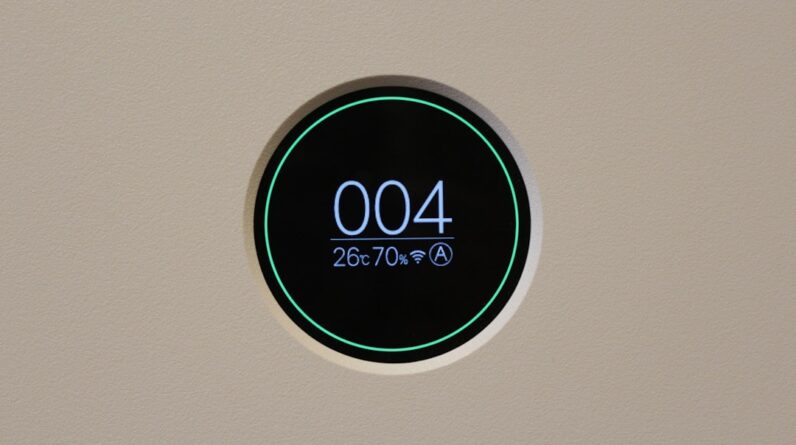
Air quality is a critical aspect of our daily lives, influencing not only our physical health but also our mental well-being. You may not realize it, but the air you breathe indoors can be more polluted than the air outside. This is particularly concerning since you spend a significant amount of time indoors, whether at home, in the office, or in other enclosed spaces.
Poor air quality can lead to a range of health issues, from respiratory problems and allergies to more severe conditions like asthma and cardiovascular diseases. Understanding the importance of air quality is the first step toward creating a healthier environment for yourself and those around you. Moreover, the impact of air quality extends beyond individual health.
It can affect productivity, concentration, and overall mood. When you breathe clean air, you are likely to feel more energized and focused, which can enhance your performance at work or in your daily activities. Conversely, when the air is filled with pollutants, it can lead to fatigue and decreased cognitive function.
By prioritizing air quality, you are not only safeguarding your health but also fostering a more productive and positive atmosphere in your surroundings.
Key Takeaways
- Good air quality is essential for overall health and well-being
- Choose cleaning products that are environmentally friendly and low in volatile organic compounds (VOCs)
- Proper ventilation and air circulation are crucial for maintaining good air quality indoors
- Regular maintenance of HVAC systems is necessary to ensure they are functioning efficiently
- Regular monitoring and testing of air quality is important to identify any potential issues early on
- Implement green cleaning practices to minimize the use of harmful chemicals
- Educate and train cleaning staff on the importance of air quality and proper cleaning techniques
- Seek professional help when necessary to address any air quality issues that may arise
Choosing the Right Cleaning Products
Selecting the right cleaning products is essential for maintaining good air quality in your environment. Many conventional cleaning agents contain harsh chemicals that can release volatile organic compounds (VOCs) into the air, contributing to indoor pollution. When you choose cleaning products, it’s crucial to read labels carefully and opt for those that are labeled as low-VOC or environmentally friendly.
These products are designed to clean effectively without compromising the quality of the air you breathe. In addition to being mindful of VOCs, consider the ingredients in your cleaning supplies. Natural alternatives, such as vinegar, baking soda, and essential oils, can be just as effective for many cleaning tasks without introducing harmful substances into your indoor air.
By making informed choices about the cleaning products you use, you can significantly reduce the number of pollutants in your home or workplace, creating a healthier environment for yourself and others.
Proper Ventilation and Air Circulation

Proper ventilation and air circulation are vital components of maintaining good air quality. You may not think about it often, but the way air moves through your space can have a significant impact on how fresh and clean it feels. Stagnant air can trap pollutants and allergens, leading to discomfort and health issues.
To combat this, ensure that your living or working space is well-ventilated. Open windows whenever possible to allow fresh air to flow in and stale air to escape. In addition to natural ventilation, consider using fans or air purifiers to enhance air circulation.
Fans can help distribute air evenly throughout a room, preventing pockets of stagnant air from forming. Air purifiers equipped with HEPA filters can capture airborne particles, including dust, pollen, and pet dander, improving overall air quality. By prioritizing proper ventilation and circulation, you create a more inviting and healthier environment that supports your well-being.
Regular Maintenance of HVAC Systems
Your heating, ventilation, and air conditioning (HVAC) system plays a crucial role in regulating indoor air quality. Regular maintenance of these systems is essential to ensure they operate efficiently and effectively. You should schedule routine inspections and cleanings to prevent dust buildup and ensure that filters are replaced as needed.
Clogged filters can restrict airflow and allow pollutants to circulate throughout your space. In addition to changing filters regularly, consider having your ducts cleaned periodically. Dust, mold, and other contaminants can accumulate in ductwork over time, leading to poor air quality when the system is in use.
By investing time and resources into maintaining your HVAC system, you not only improve air quality but also extend the lifespan of your equipment, ultimately saving you money in the long run.
Monitoring and Testing Air Quality
To truly understand the state of your indoor air quality, monitoring and testing are essential steps you should take. Various tools are available that allow you to measure levels of common indoor pollutants such as carbon dioxide, particulate matter, and humidity. By regularly testing your indoor air quality, you can identify potential issues before they become significant problems.
If you notice persistent symptoms like headaches or respiratory discomfort, it may be time to conduct a more thorough assessment of your indoor environment. Professional services can provide comprehensive testing and analysis of your air quality, offering insights into specific pollutants present in your space. Armed with this information, you can take targeted actions to improve your indoor air quality and create a healthier living or working environment.
Implementing Green Cleaning Practices

Choose Eco-Friendly Products
You might consider using biodegradable cleaning products that are free from harmful chemicals. These products not only reduce indoor pollution but also minimize environmental impact when they enter water systems after use.
Improve Your Cleaning Techniques
In addition to choosing eco-friendly products, think about how you approach cleaning tasks. For instance, using microfiber cloths instead of traditional dusters can help trap dust and allergens more effectively without spreading them into the air. Furthermore, implementing a regular cleaning schedule ensures that surfaces remain free from dust and grime buildup, contributing to better overall air quality.
Create a Healthier Space
By embracing green cleaning practices, you create a healthier space for yourself while also doing your part for the planet.
Educating and Training Cleaning Staff
If you manage a facility or workplace with cleaning staff, educating them about the importance of air quality is crucial. Providing training on best practices for cleaning can significantly impact the overall health of the environment. Ensure that your staff understands how to select appropriate cleaning products and techniques that minimize airborne pollutants.
Regular training sessions can reinforce these principles and keep staff updated on new products or methods that may enhance their cleaning effectiveness while protecting indoor air quality. Encourage open communication about any concerns they may have regarding cleaning practices or products used in their work. By fostering an informed team dedicated to maintaining high standards of cleanliness and air quality, you contribute to a healthier environment for everyone.
Seeking Professional Help when Necessary
While many steps can be taken independently to improve indoor air quality, there are times when seeking professional help is necessary. If you encounter persistent issues with allergens or pollutants despite your best efforts, it may be time to consult experts who specialize in indoor air quality management. These professionals can conduct thorough assessments of your space and provide tailored solutions based on their findings.
Additionally, if you suspect mold growth or other serious contamination issues within your HVAC system or building structure, professional intervention is crucial for safe remediation. Attempting to address these problems without proper expertise can lead to further complications or health risks. By recognizing when it’s time to seek professional assistance, you ensure that your efforts toward improving indoor air quality are effective and safe for everyone involved.
In conclusion, understanding the importance of air quality is fundamental for creating a healthy living or working environment. By choosing the right cleaning products, ensuring proper ventilation and circulation, maintaining HVAC systems regularly, monitoring air quality diligently, implementing green practices, educating staff effectively, and seeking professional help when necessary, you can significantly enhance the air quality around you. Taking these steps not only benefits your health but also contributes positively to the well-being of those who share your space.
When considering steps to ensure safe and healthy air quality in a cleaned space, it is important to also think about innovative renovation projects that can improve overall indoor air quality. One related article that highlights such projects can be found at this link. These projects showcase cutting-edge techniques and technologies that can be implemented to create a healthier living environment. Additionally, working with reputable contractors like those at Better Home Contractor in Miramar, Florida or Provo, Utah can also ensure that your space is cleaned and renovated to the highest standards of air quality.
FAQs
What are some common sources of indoor air pollution?
Some common sources of indoor air pollution include tobacco smoke, cooking and heating appliances, building materials and furnishings, household cleaning and maintenance products, and outdoor sources such as radon and pesticides.
How can I improve the air quality in a cleaned space?
To improve air quality in a cleaned space, you can take steps such as increasing ventilation, using air purifiers, reducing sources of indoor air pollution, and maintaining a clean and dust-free environment.
What are some potential health effects of poor indoor air quality?
Poor indoor air quality can lead to a range of health effects including respiratory issues, allergies, asthma, headaches, fatigue, and in severe cases, long-term health problems.
How can I test the air quality in a cleaned space?
You can test the air quality in a cleaned space by using air quality monitors or hiring a professional to conduct indoor air quality testing. These tests can measure levels of pollutants such as particulate matter, volatile organic compounds, and carbon monoxide.
What are some best practices for maintaining healthy air quality in a cleaned space?
Best practices for maintaining healthy air quality in a cleaned space include regular cleaning and maintenance of HVAC systems, using natural cleaning products, avoiding smoking indoors, and keeping indoor humidity levels in check.