
In recent years, outdoor kitchens have surged in popularity, transforming backyards into culinary havens. You may have noticed this trend in your neighborhood or among friends, as more homeowners are opting to extend their living spaces outdoors. This shift is not merely about aesthetics; it reflects a deeper desire to connect with nature while enjoying the comforts of home.
The allure of cooking and dining al fresco has captivated many, leading to a significant increase in outdoor kitchen installations across various regions. The rise of outdoor kitchens can be attributed to several factors. First, the growing interest in home improvement and renovation projects has encouraged homeowners to invest in their outdoor spaces.
You might find that the pandemic has played a role in this trend, as people sought ways to enjoy their homes more fully while adhering to social distancing guidelines. Outdoor kitchens offer a perfect solution, allowing you to entertain guests safely while enjoying the fresh air. Additionally, the advancements in outdoor cooking technology have made it easier than ever to create a fully functional kitchen outside, complete with grills, refrigerators, and even pizza ovens.
Key Takeaways
- Outdoor kitchens are a growing trend, offering a unique and enjoyable cooking and dining experience.
- Designing an outdoor kitchen involves creating a functional and beautiful space that complements the natural surroundings.
- Cooking and dining al fresco allows for a joyful and relaxing experience, connecting with nature and enjoying the fresh air.
- Outdoor kitchens provide the benefits of connecting with nature, including improved mental well-being and a sense of tranquility.
- Outdoor kitchens are perfect for entertaining, providing a memorable and enjoyable space for hosting gatherings and events.
Designing Your Outdoor Kitchen: Creating a Functional and Beautiful Space
When it comes to designing your outdoor kitchen, the possibilities are nearly endless. You want to create a space that is not only functional but also visually appealing. Start by considering the layout of your kitchen.
You may want to incorporate a grill as the centerpiece, surrounded by counter space for food preparation and serving. Think about how you will move around the space; an efficient design will allow you to cook and entertain without feeling cramped. In addition to functionality, aesthetics play a crucial role in your outdoor kitchen’s design.
You might choose materials that complement your home’s architecture or reflect your personal style. Natural stone countertops, stainless steel appliances, and wooden cabinetry can create a harmonious look that blends seamlessly with your garden or patio. Don’t forget about the importance of seating; incorporating a bar area or dining table will encourage guests to linger and enjoy the atmosphere you’ve created.
Cooking Al Fresco: Embracing the Joy of Outdoor Dining
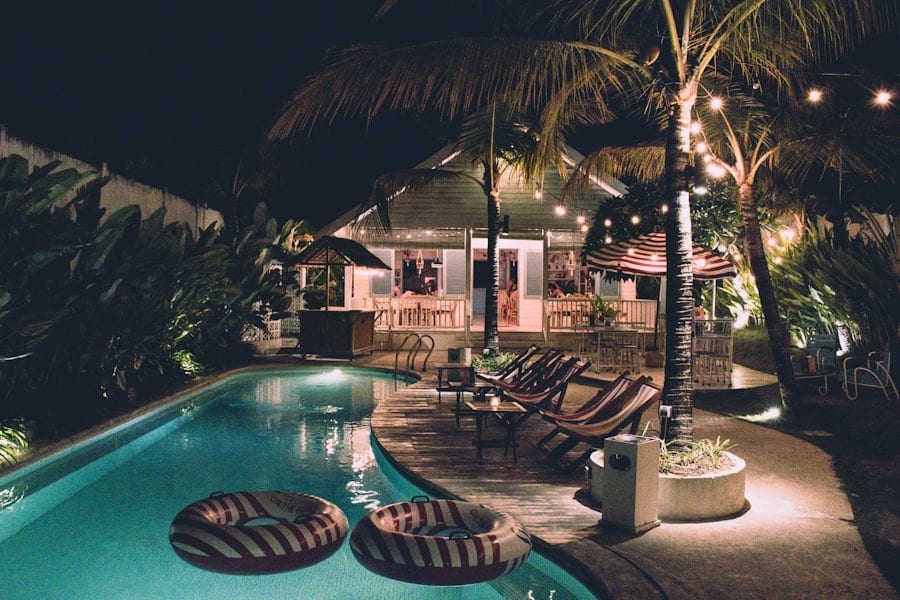
Cooking outdoors is an experience that transcends mere meal preparation; it’s an opportunity to embrace the elements and enjoy the beauty of nature. You may find that grilling over an open flame or sautéing vegetables on a portable stove adds an extra layer of flavor and excitement to your meals. The act of cooking al fresco can be liberating, allowing you to experiment with new recipes and techniques while surrounded by fresh air and sunshine.
Moreover, outdoor dining fosters a sense of community and connection. When you invite friends or family over for a meal, the outdoor setting encourages conversation and camaraderie. You might find that sharing a meal under the stars or amidst blooming flowers creates lasting memories that you’ll cherish for years to come.
The joy of cooking outdoors lies not only in the food itself but also in the shared experiences that come with it.
Connecting with Nature: The Benefits of Cooking and Eating Outdoors
One of the most significant advantages of cooking and eating outdoors is the opportunity to connect with nature. You may have noticed how spending time outside can elevate your mood and reduce stress levels. The sights, sounds, and smells of the natural world can enhance your culinary experience, making each meal feel more special.
Whether it’s the rustling of leaves in the breeze or the scent of fresh herbs from your garden, these elements can invigorate your senses and inspire creativity in the kitchen. Additionally, outdoor cooking encourages a healthier lifestyle. You might find yourself more inclined to use fresh ingredients from local farmers’ markets or your own garden when preparing meals outside.
This focus on fresh produce can lead to healthier eating habits and a greater appreciation for seasonal ingredients. As you embrace outdoor cooking, you may discover new recipes that highlight the flavors of fresh fruits and vegetables, further enhancing your connection to nature.
Outdoor Kitchens for Entertaining: Hosting Memorable Gatherings
An outdoor kitchen is an ideal setting for entertaining guests and hosting memorable gatherings. Imagine inviting friends over for a barbecue or a casual dinner party where everyone can mingle while you prepare delicious food right before their eyes. The open-air environment fosters a relaxed atmosphere that encourages social interaction, making it easier for guests to feel at home.
You might consider incorporating features that enhance your entertaining experience, such as an outdoor bar or a fire pit for evening gatherings. These elements not only provide additional seating but also create focal points that draw people together. As you host gatherings in your outdoor kitchen, you’ll likely find that the combination of good food, great company, and a beautiful setting leads to unforgettable moments that you and your guests will cherish.
Choosing the Right Appliances and Equipment for Your Outdoor Kitchen
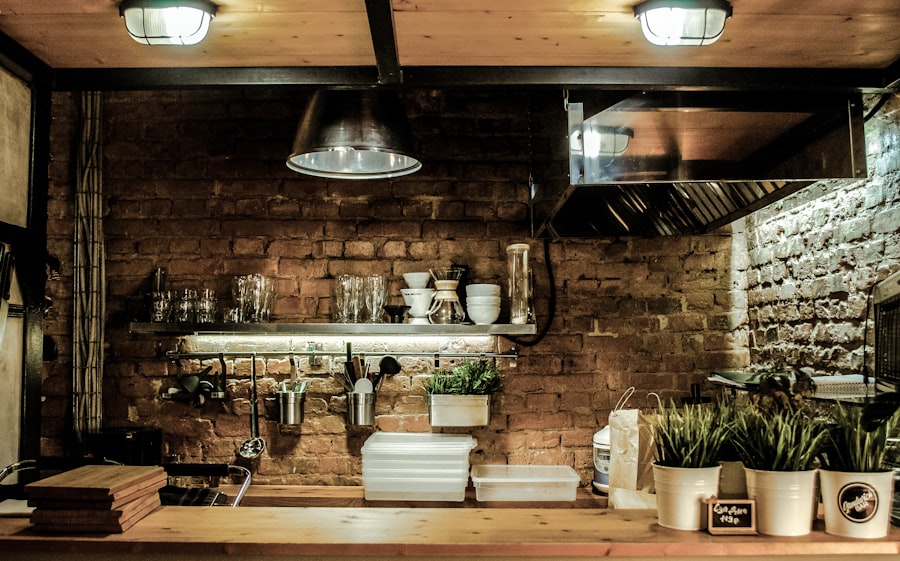
Selecting the right appliances and equipment for your outdoor kitchen is crucial for creating a functional space that meets your cooking needs. You may want to start with a high-quality grill, as it often serves as the heart of any outdoor kitchen. Consider whether you prefer gas or charcoal; each option has its unique benefits and flavor profiles.
Additionally, think about incorporating other cooking appliances such as smokers, side burners, or even an outdoor pizza oven to expand your culinary repertoire. Beyond cooking appliances, you should also consider storage solutions and refrigeration options. Outdoor-rated refrigerators can keep beverages cold and ingredients fresh while providing easy access during meal preparation.
You might also want to include cabinets or shelves for storing utensils, cookware, and other essentials. By carefully selecting appliances that suit your cooking style and preferences, you’ll create an outdoor kitchen that is both practical and enjoyable to use.
Creating Ambiance: Enhancing Your Outdoor Kitchen with Lighting and Decor
The ambiance of your outdoor kitchen can significantly impact your dining experience. You may want to invest in lighting that enhances both functionality and aesthetics. String lights or lanterns can create a warm and inviting atmosphere as dusk falls, while task lighting ensures you can see what you’re doing while cooking.
Consider incorporating dimmable lights or adjustable fixtures to set the mood for different occasions. Decor also plays a vital role in creating an inviting space. You might choose decorative elements such as potted plants, colorful tableware, or outdoor rugs that add personality to your kitchen area.
Incorporating natural materials like wood or stone can help blend your kitchen with its surroundings, creating a cohesive look that feels harmonious with nature. By thoughtfully considering lighting and decor, you’ll elevate your outdoor kitchen into a space where you love to spend time.
Maintenance and Care: Keeping Your Outdoor Kitchen in Top Shape
To ensure your outdoor kitchen remains functional and beautiful for years to come, regular maintenance is essential. You may want to establish a cleaning routine that includes wiping down surfaces after each use and deep cleaning appliances periodically. Stainless steel grills should be cleaned regularly to prevent rust and maintain their appearance, while countertops may require specific cleaners depending on the material used.
Additionally, seasonal care is crucial for protecting your outdoor kitchen from harsh weather conditions. You might consider investing in covers for your appliances during winter months or extreme weather events to shield them from damage. Regularly checking for wear and tear will help you address any issues before they become significant problems.
By prioritizing maintenance and care, you’ll ensure that your outdoor kitchen remains a cherished space for cooking and entertaining for many years ahead.
If you’re looking to create your own outdoor kitchen oasis, you may want to consider hiring a professional contractor to help bring your vision to life. Better Home Contractor offers services in Apple Valley, Turlock, and Redondo Beach, California, specializing in outdoor kitchen design and construction. Check out their website here to learn more about how they can help you transform your outdoor space into a feast for the senses and the soul.
FAQs
What is an outdoor kitchen?
An outdoor kitchen is a space designed for cooking and entertaining outdoors, typically equipped with a grill, countertops, storage, and sometimes a sink or other amenities.
What are the benefits of having an outdoor kitchen?
Having an outdoor kitchen allows for easy entertaining and cooking in a natural setting, reduces heat and odors inside the home, and adds value to the property.
What features can be included in an outdoor kitchen?
Common features of an outdoor kitchen include a grill, countertops, storage cabinets, a sink, refrigerator, and sometimes a pizza oven, bar area, or outdoor fireplace.
What materials are commonly used in outdoor kitchen construction?
Outdoor kitchens are often constructed using materials such as stainless steel, stone, brick, concrete, and weather-resistant wood or composite materials.
How can an outdoor kitchen be designed to suit different climates?
In warmer climates, outdoor kitchens may benefit from shade structures, fans, and misting systems, while in cooler climates, they may be designed with fire pits, heaters, and windbreaks to extend their use into the colder months.
Are there any safety considerations for outdoor kitchens?
Safety considerations for outdoor kitchens include proper ventilation for gas appliances, fire safety measures, and ensuring that electrical components are installed to code and protected from the elements.