When you decide to embark on the journey of creating an outdoor kitchen, the first step is to envision what you want this space to be. You should consider how you plan to use it—will it be a place for family gatherings, entertaining friends, or simply a personal retreat for culinary exploration? Take some time to jot down your ideas and preferences.
Think about the types of meals you enjoy preparing outdoors and the atmosphere you wish to create. This initial brainstorming phase is crucial, as it will guide your decisions throughout the entire process. Next, you should assess your current outdoor space.
Walk around your yard or patio and take note of its size, shape, and existing features. Consider how much room you have for appliances, seating, and other elements. You might want to sketch a rough layout to visualize where everything will go.
This will help you identify any potential challenges, such as proximity to your home or access to utilities like water and electricity. By taking these factors into account early on, you can avoid costly mistakes later in the project.
Key Takeaways
- Start by considering your outdoor kitchen’s purpose, size, and layout to plan effectively.
- Choose a location that is convenient, safe, and complements your outdoor living space.
- Must-have features include a grill, storage, countertops, and seating for entertaining.
- Select durable, weather-resistant materials like stainless steel, stone, and concrete for longevity.
- Set a realistic budget, prioritize essential elements, and consider cost-effective construction methods.
Choosing the Right Location for Your Outdoor Kitchen
Selecting the perfect location for your outdoor kitchen is a critical step that can significantly impact your cooking experience. You should look for a spot that is both functional and aesthetically pleasing. Ideally, it should be close to your indoor kitchen for easy access to ingredients and supplies.
However, you also want to ensure that it is situated in a way that allows for privacy and comfort. Consider factors such as sunlight exposure, wind direction, and views from both inside and outside your home. Another important aspect to think about is the layout of your outdoor space.
If you have a large yard, you might have multiple options for placement. In contrast, if your area is more compact, you may need to be more creative with your design. You could consider placing your outdoor kitchen near a patio or deck to create a seamless transition between indoor and outdoor living.
Additionally, think about how the location will affect your cooking experience—being too far from utilities or having limited shade can make cooking outdoors less enjoyable.
Designing Your Dream Outdoor Kitchen: Must-Have Features
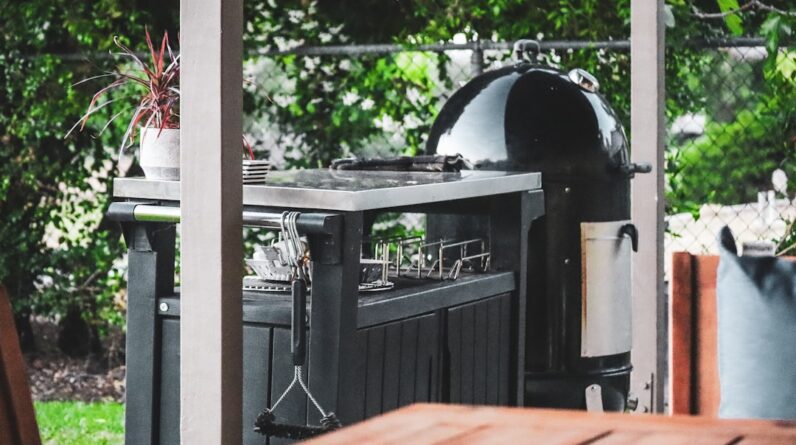
As you begin to design your outdoor kitchen, it’s essential to consider the features that will make it functional and enjoyable. Start with the basics: a grill is often the centerpiece of any outdoor kitchen. Whether you prefer gas, charcoal, or electric, choose a grill that suits your cooking style and frequency of use.
Beyond the grill, think about incorporating other cooking appliances such as a pizza oven, smoker, or side burners for added versatility. In addition to cooking appliances, you’ll want to include ample counter space for food preparation and serving. A well-designed outdoor kitchen often features an island or bar area where guests can gather while you cook.
Don’t forget about storage solutions; cabinets and drawers can help keep utensils and cookware organized and easily accessible. Finally, consider adding a sink for convenience—having running water outdoors can make cleanup much easier and enhance your overall cooking experience.
Selecting the Best Materials for Your Outdoor Kitchen
Choosing the right materials for your outdoor kitchen is vital for both aesthetics and durability. Since this space will be exposed to the elements, you’ll want materials that can withstand weather conditions while still looking great. Stainless steel is a popular choice for appliances due to its resistance to rust and corrosion.
When it comes to countertops, consider materials like granite or quartzite that are not only beautiful but also heat-resistant and easy to clean. You should also think about flooring options that can handle outdoor wear and tear. Pavers, natural stone, or even treated wood can create a stunning foundation for your kitchen while providing durability.
Additionally, consider using weather-resistant cabinetry made from materials like marine-grade polymer or powder-coated aluminum. These choices will ensure that your outdoor kitchen remains functional and visually appealing for years to come.
Budgeting for Your Outdoor Kitchen: Tips for Cost-Effective Construction
Creating an outdoor kitchen can be a significant investment, so it’s essential to establish a budget before diving into the project. Start by determining how much you’re willing to spend and prioritize your must-have features versus nice-to-have additions. This will help you make informed decisions as you move forward with planning and construction.
You might find it helpful to break down costs into categories such as appliances, materials, labor, and landscaping. To keep costs in check, consider doing some of the work yourself if you’re handy or have experience in construction projects. Simple tasks like painting or landscaping can save you money while allowing you to put your personal touch on the space.
Additionally, shop around for deals on appliances and materials; many retailers offer seasonal sales or discounts that can help you stay within budget. By being strategic about your spending, you can create an outdoor kitchen that meets your needs without breaking the bank.
Hiring the Right Professionals for Your Outdoor Kitchen Project

While some aspects of building an outdoor kitchen can be DIY projects, hiring professionals may be necessary for more complex tasks such as plumbing, electrical work, or custom cabinetry installation. When searching for contractors or designers, take the time to research their credentials and read reviews from previous clients. You want to ensure that you’re working with experienced professionals who understand outdoor kitchen design and construction.
Once you’ve narrowed down your options, schedule consultations with potential hires to discuss your vision and get estimates. This is also an excellent opportunity to gauge their communication style and see if they align with your expectations. Don’t hesitate to ask for references or examples of their previous work; this will give you confidence in their ability to bring your dream outdoor kitchen to life.
Adding Personal Touches: Customizing Your Outdoor Kitchen
Your outdoor kitchen should reflect your personality and lifestyle, so don’t shy away from adding personal touches that make it uniquely yours. Consider incorporating decorative elements such as colorful tiles, custom lighting fixtures, or even artwork that resonates with you. These details can elevate the overall aesthetic of your space and create an inviting atmosphere for gatherings.
You might also want to think about functional additions that enhance your cooking experience. For instance, installing a built-in sound system can allow you to enjoy music while you cook or entertain guests. Additionally, consider adding comfortable seating options like bar stools or lounge chairs where friends and family can relax while you prepare meals.
By customizing your outdoor kitchen with thoughtful details, you’ll create a space that feels welcoming and enjoyable.
Maintaining Your Outdoor Kitchen: Tips for Long-Term Enjoyment
Once you’ve created your dream outdoor kitchen, it’s essential to maintain it properly so that it remains functional and beautiful over time. Regular cleaning is key; make it a habit to wipe down surfaces after each use and perform deeper cleanings periodically. Pay special attention to appliances—grills should be cleaned after every use to prevent buildup of grease and food particles.
In addition to cleaning, you’ll want to inspect your outdoor kitchen regularly for any signs of wear or damage. Check for rust on metal surfaces, cracks in countertops, or any issues with plumbing or electrical systems. Addressing these problems early on can save you time and money in the long run.
By committing to regular maintenance, you’ll ensure that your outdoor kitchen remains a source of joy and culinary creativity for years to come.
If you are looking to create your dream outdoor kitchen, you may want to consider hiring a professional contractor to help bring your vision to life. Better Home Contractor offers services in various locations, including Hemet, California, Wilmington, Delaware, and Walnut Creek, California. Their team of experts can assist you in designing and building the outdoor kitchen of your dreams. Check out their website for more information on how they can help you achieve your outdoor living goals: Hemet, California, Wilmington, Delaware, Walnut Creek, California.
FAQs
What are the benefits of having an outdoor kitchen?
Having an outdoor kitchen allows for more space for entertaining, reduces the need to run back and forth between the indoor kitchen and outdoor grill, and creates a beautiful and functional space for cooking and dining al fresco.
What are the key components of an outdoor kitchen?
Key components of an outdoor kitchen typically include a grill, countertops, storage cabinets, a sink, and sometimes additional features such as a pizza oven, refrigerator, or bar area.
What materials are commonly used in building outdoor kitchens?
Common materials used in building outdoor kitchens include stainless steel for appliances, granite or concrete for countertops, and weather-resistant materials such as stone, brick, or tile for the base and structure.
What factors should be considered when designing an outdoor kitchen?
When designing an outdoor kitchen, factors to consider include the available space, the layout and flow of the kitchen, the climate and weather conditions, and the desired features and appliances.
What are some popular design styles for outdoor kitchens?
Popular design styles for outdoor kitchens include modern and sleek, rustic and natural, Mediterranean-inspired, and tropical or coastal themes, each with its own unique materials, colors, and features.
What are some tips for maintaining an outdoor kitchen?
Tips for maintaining an outdoor kitchen include regularly cleaning and covering the appliances, sealing and resealing countertops and surfaces, and protecting the kitchen from the elements with proper drainage and shelter.