
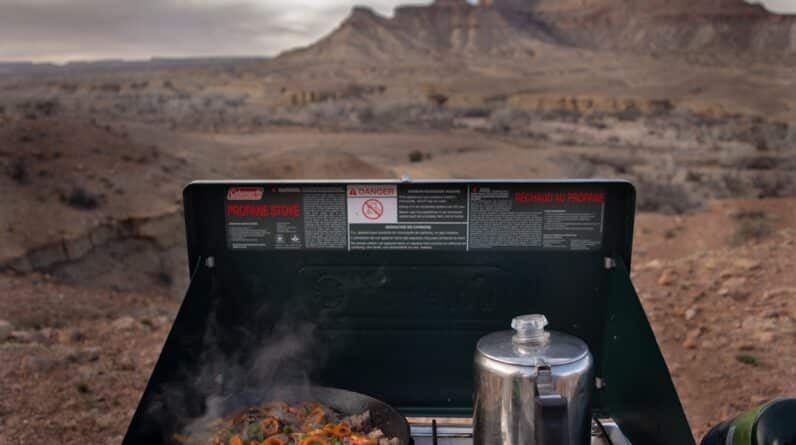
When you think about enhancing your outdoor kitchen, one of the most impactful changes you can make is adding a roof. This addition not only provides shelter from the elements but also extends the usability of your outdoor space throughout the year. Imagine hosting a summer barbecue without worrying about sudden rain showers or enjoying a cozy dinner under the stars without being exposed to chilly winds.
A roof transforms your outdoor kitchen into a versatile area that can be enjoyed in various weather conditions, allowing you to entertain guests or enjoy family meals regardless of the season. Moreover, a roof can significantly enhance the aesthetic appeal of your outdoor kitchen. It serves as a focal point that can complement your home’s architecture and landscaping.
Whether you opt for a sleek modern design or a rustic wooden structure, the right roofing can elevate the overall look of your outdoor space. Additionally, having a roof can protect your appliances and furniture from sun damage and moisture, prolonging their lifespan and maintaining their appearance. This means that not only do you get to enjoy your outdoor kitchen more often, but you also invest in its longevity and functionality.
Key Takeaways
- Adding a roof to your outdoor kitchen provides protection from the elements and extends the usability of the space.
- Different roofing options for outdoor kitchens include pergolas, gazebos, and solid roofs, each with their own benefits and considerations.
- When adding a roof to your outdoor kitchen, consider factors such as local building codes, weather conditions, and the overall design of your outdoor space.
- Proper ventilation and airflow are crucial for an outdoor kitchen with a roof to prevent heat buildup and smoke accumulation.
- Regular maintenance and cleaning of the roof over your outdoor kitchen will help prolong its lifespan and keep it looking great.
- Potential challenges for adding a roof to your outdoor kitchen include structural considerations, material selection, and finding the right contractor for the job.
- Cost considerations for adding a roof to your outdoor kitchen include materials, labor, and any additional features such as lighting or fans.
Different Types of Roofing Options for Outdoor Kitchens
When it comes to roofing options for your outdoor kitchen, you have a plethora of choices that cater to different styles, budgets, and functional needs. One popular option is a pergola, which offers partial coverage while allowing sunlight to filter through. This type of structure is perfect for those who want to enjoy the outdoors while still having some protection from the elements.
You can enhance a pergola with climbing plants or fabric drapes for added shade and privacy, creating a cozy atmosphere for dining and entertaining. Another option is a solid roof, which provides complete protection from rain and sun. Materials such as metal, shingles, or tiles can be used to create a durable and weather-resistant covering.
A solid roof not only shields your cooking area but also allows for better temperature control, making it more comfortable to cook and dine outside. Additionally, you might consider a retractable awning, which offers flexibility; you can extend it when you need shade and retract it when you want to bask in the sun. Each roofing option has its unique benefits, so it’s essential to choose one that aligns with your lifestyle and design preferences.
Considerations for Adding a Roof to Your Outdoor Kitchen

Before diving into the construction of a roof for your outdoor kitchen, there are several important considerations to keep in mind. First and foremost, think about the local climate and how it will affect your choice of roofing materials. If you live in an area with heavy snowfall, for instance, you’ll need a roof that can withstand the weight of snow accumulation.
Conversely, if you’re in a region with intense heat, materials that reflect sunlight may be more suitable to keep your cooking area cool. Another critical factor is the overall design and layout of your outdoor kitchen. You’ll want to ensure that the roof complements the existing structures and landscaping in your yard.
Consider the height and style of your home as well; a roof that is too tall or too short can disrupt the visual harmony of your outdoor space. Additionally, think about how the roof will affect natural light in the area. You may want to incorporate skylights or open sections to maintain brightness while still providing shelter.
How to Design and Plan for a Roof over Your Outdoor Kitchen
Designing a roof for your outdoor kitchen involves careful planning and consideration of various elements. Start by sketching out your ideas and determining the dimensions of the space you want to cover. This will help you visualize how the roof will fit into your existing layout.
It’s also wise to consult with professionals who specialize in outdoor structures; they can provide valuable insights into design options and structural integrity. Incorporating features such as lighting and fans into your roof design can enhance functionality and comfort. For instance, recessed lighting can create an inviting atmosphere for evening gatherings, while ceiling fans can help circulate air on hot days.
Additionally, consider how you will integrate drainage systems to prevent water pooling on the roof or splashing onto your cooking area. By taking these factors into account during the planning phase, you can create a well-thought-out design that meets both aesthetic and practical needs.
The Importance of Proper Ventilation and Airflow in an Outdoor Kitchen with a Roof
Proper ventilation is crucial when adding a roof to your outdoor kitchen. Without adequate airflow, cooking odors can linger, and heat can build up, making the space uncomfortable. To combat this issue, consider installing vents or exhaust fans that allow hot air to escape while drawing in cooler air from outside.
This will help maintain a pleasant environment for cooking and dining. Additionally, think about how the roof design affects airflow. A sloped roof can facilitate better ventilation by allowing hot air to rise and escape more easily than a flat roof.
You might also consider incorporating windows or open sections that can be adjusted based on weather conditions. By prioritizing ventilation in your design, you’ll create an outdoor kitchen that remains comfortable and enjoyable year-round.
Tips for Maintaining and Cleaning a Roof over Your Outdoor Kitchen

Maintaining your outdoor kitchen roof is essential for ensuring its longevity and functionality. Regular cleaning is key; debris such as leaves, dirt, and bird droppings can accumulate over time, leading to potential damage or blockages in drainage systems. Depending on the material of your roof, use appropriate cleaning solutions and tools to avoid causing harm.
For instance, metal roofs may require specific cleaners that won’t corrode the surface. In addition to cleaning, inspect your roof periodically for any signs of wear or damage. Look for loose shingles, rust spots on metal roofs, or cracks in wooden structures.
Addressing these issues promptly can prevent more significant problems down the line. If you live in an area prone to severe weather conditions, consider scheduling professional inspections after storms to ensure everything remains intact.
Potential Challenges and Solutions for Adding a Roof to Your Outdoor Kitchen
While adding a roof to your outdoor kitchen offers numerous benefits, it’s not without its challenges. One common issue is obtaining the necessary permits or adhering to local building codes. Before starting construction, research what regulations apply in your area to avoid potential fines or complications later on.
Consulting with local authorities or hiring professionals familiar with these requirements can streamline this process. Another challenge may arise from budget constraints. Quality roofing materials and professional installation can be costly, so it’s essential to set a realistic budget from the outset.
Consider exploring different materials or designs that fit within your financial plan without compromising quality. Additionally, look for seasonal sales or discounts from suppliers that could help reduce costs while still achieving your desired outcome.
Cost Considerations for Adding a Roof to Your Outdoor Kitchen
When planning to add a roof to your outdoor kitchen, understanding the associated costs is crucial for effective budgeting. The price will vary significantly based on factors such as materials used, size of the structure, and whether you choose to hire professionals or take on the project yourself. For instance, basic materials like fabric awnings may be more affordable than solid wood or metal roofs.
In addition to material costs, factor in expenses related to labor if you’re hiring contractors for installation. It’s wise to obtain multiple quotes from different professionals to ensure you’re getting a fair price for quality work. Don’t forget to include potential costs for permits or inspections in your budget as well.
By carefully considering all these factors upfront, you’ll be better prepared financially for adding a roof that enhances your outdoor kitchen experience while staying within your means.
If you are considering adding an outdoor kitchen to your home, you may also want to think about adding a roof to protect it from the elements. A related article on Better Home Contractor’s website discusses the benefits of hiring a professional contractor to build a roof over your outdoor kitchen. With locations in Waco, Texas, Frederick, Maryland, and Long Beach, California, Better Home Contractor can help you create the perfect outdoor space for entertaining and cooking. Check out their article for more information on how to enhance your outdoor living experience. Click here to read more.
FAQs
Can you put a roof over an outdoor kitchen?
Yes, you can put a roof over an outdoor kitchen to provide protection from the elements and create a more comfortable cooking and dining space.
What are the benefits of putting a roof over an outdoor kitchen?
Putting a roof over an outdoor kitchen provides protection from sun, rain, and other weather elements, allowing you to use the space more frequently and comfortably.
What are the different types of roofs that can be used for an outdoor kitchen?
Some common types of roofs for outdoor kitchens include pergolas, gazebos, solid roofs, and retractable awnings. The choice of roof will depend on the specific needs and preferences of the homeowner.
Do I need a permit to build a roof over my outdoor kitchen?
The need for a permit to build a roof over an outdoor kitchen will depend on local building codes and regulations. It is important to check with the local authorities to determine if a permit is required.
What materials are commonly used for building roofs over outdoor kitchens?
Common materials used for building roofs over outdoor kitchens include wood, metal, aluminum, and fabric. The choice of material will depend on factors such as durability, aesthetics, and budget.
How can I ensure proper ventilation when putting a roof over an outdoor kitchen?
Proper ventilation can be ensured by incorporating features such as exhaust fans, vents, and open sides in the design of the roof over the outdoor kitchen. This will help to prevent the buildup of smoke and odors while cooking.


