
When you step outside to cook, you’re not just preparing a meal; you’re engaging in an experience that can invigorate your senses and elevate your culinary skills. One of the most significant benefits of outdoor cooking is the connection it fosters with nature. The fresh air, the sounds of birds chirping, and the warmth of the sun can transform a mundane task into a delightful ritual.
You may find that cooking outdoors allows you to escape the confines of your kitchen, providing a refreshing change of scenery that can inspire creativity in your cooking. Moreover, outdoor cooking often encourages social interaction. Whether you’re hosting a barbecue for friends or a family gathering, the outdoor setting naturally invites conversation and camaraderie.
You can share stories, laughter, and delicious food while enjoying the beauty of your surroundings. This communal aspect not only enhances the dining experience but also strengthens relationships, making meals more memorable. The act of cooking together can be a bonding experience, allowing everyone to contribute and share in the joy of creating something delicious.
Key Takeaways
- Outdoor cooking allows for a unique and enjoyable culinary experience, bringing people together and creating lasting memories.
- When designing your outdoor kitchen, consider factors such as space, budget, and the types of meals you want to prepare.
- Essential outdoor cooking equipment includes a grill, smoker, outdoor oven, and basic utensils for grilling and barbecuing.
- When planning the perfect outdoor menu, consider the preferences of your guests, dietary restrictions, and the season.
- Tips for grilling and barbecuing include preheating the grill, using the right type of wood for smoking, and properly seasoning and marinating your meats.
Designing Your Outdoor Kitchen
Designing your outdoor kitchen is an exciting venture that allows you to tailor the space to your specific needs and preferences. Start by considering the layout and functionality of the area. You want to create a space that flows well and makes cooking enjoyable.
Think about how you typically cook and entertain; this will guide you in determining the placement of appliances, countertops, and seating areas. A well-planned layout can make all the difference in how efficiently you can prepare meals and interact with your guests. In addition to functionality, aesthetics play a crucial role in designing your outdoor kitchen.
Choose materials and colors that complement your home and landscape. Whether you prefer a rustic look with natural stone or a sleek modern design with stainless steel, ensure that your outdoor kitchen reflects your personal style. Incorporating elements like lighting, greenery, and decorative features can enhance the ambiance, making it an inviting space for both cooking and dining.
Remember, this is not just a kitchen; it’s an extension of your home where memories will be made.
Essential Outdoor Cooking Equipment
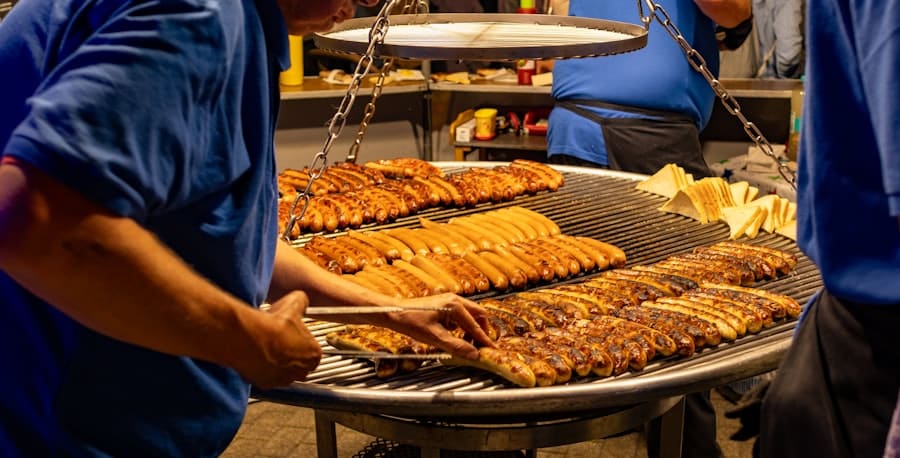
Equipping your outdoor kitchen with the right tools is essential for maximizing your cooking experience. At the heart of any outdoor kitchen is a reliable grill. Whether you opt for gas, charcoal, or wood-fired options, having a quality grill will allow you to achieve that perfect sear on meats and vegetables alike.
Additionally, consider investing in a smoker if you enjoy slow-cooked flavors; it can add depth to your dishes that is hard to replicate with traditional grilling methods. Beyond the grill, there are several other essential pieces of equipment to consider. A sturdy prep table is invaluable for organizing ingredients and preparing meals efficiently.
You might also want to include a sink for easy cleanup and food preparation. Don’t forget about storage solutions; cabinets or shelves can help keep your cooking area tidy and organized. Finally, having a variety of utensils, pots, and pans specifically designed for outdoor use will ensure that you’re well-equipped to tackle any recipe that comes your way.
Planning the Perfect Outdoor Menu
Crafting an outdoor menu requires thoughtfulness and creativity to ensure that your meal is both delicious and enjoyable for everyone involved. Start by considering the season and the ingredients available to you. Fresh produce from local farmers’ markets can inspire vibrant salads or grilled vegetable platters that highlight seasonal flavors.
Additionally, think about the preferences and dietary restrictions of your guests; offering a variety of options ensures that everyone feels included. When planning your menu, consider incorporating dishes that can be prepared in advance or cooked in stages. This approach allows you to spend more time with your guests rather than being tied to the grill.
For instance, marinating meats the night before not only enhances flavor but also saves time on the day of your gathering. You might also want to include some interactive elements, such as a build-your-own taco bar or skewers that guests can assemble themselves. This not only adds an element of fun but also encourages participation in the meal preparation process.
Tips for Grilling and Barbecuing
Grilling and barbecuing are art forms that require practice and attention to detail to master fully. One key tip is to preheat your grill adequately before placing food on it; this ensures even cooking and helps prevent sticking. Additionally, using high-quality charcoal or gas can make a significant difference in flavor and heat consistency.
Don’t be afraid to experiment with different types of wood chips for smoking; they can impart unique flavors that elevate your dishes. Another important aspect of grilling is understanding how to manage heat zones on your grill. Creating direct and indirect heat zones allows you to sear meats quickly while also providing a space for slower cooking or keeping food warm without burning it.
Remember to let your meats rest after grilling; this allows juices to redistribute, resulting in more flavorful and tender bites. Lastly, don’t forget about safety—always have a meat thermometer on hand to ensure that everything is cooked to perfection.
Creating a Cozy Outdoor Dining Space
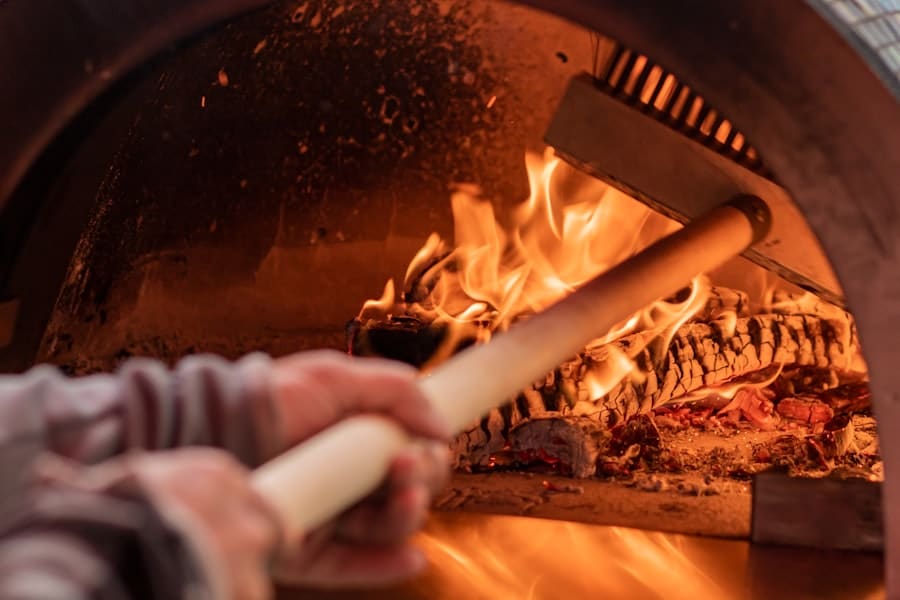
Transforming your outdoor kitchen into a cozy dining space is essential for creating an inviting atmosphere where guests feel comfortable and relaxed. Start by selecting appropriate furniture that balances comfort with durability; weather-resistant materials are key for longevity. Consider adding cushions or throws for extra comfort during cooler evenings, making it easy for guests to linger over their meals.
Lighting plays a crucial role in setting the mood for outdoor dining. String lights or lanterns can create a warm glow as the sun sets, enhancing the ambiance of your gathering. Additionally, incorporating natural elements like potted plants or flowers can add color and life to your dining area.
If space allows, consider adding a fire pit or outdoor heater; these features not only provide warmth but also serve as a focal point for conversation and relaxation after dinner.
Safety Considerations for Outdoor Cooking
While outdoor cooking can be enjoyable, it’s essential to prioritize safety to ensure a worry-free experience. Start by familiarizing yourself with fire safety protocols; keep a fire extinguisher nearby and never leave grills unattended while in use. Additionally, ensure that your cooking area is free from flammable materials such as dry leaves or paper products.
Food safety is another critical aspect of outdoor cooking. Always keep raw meats separate from other foods to prevent cross-contamination, and use separate utensils for handling cooked items. It’s also wise to have a cooler on hand for perishable items if you’re cooking outdoors for an extended period.
Lastly, remember to stay hydrated—especially during hot weather—by keeping water or refreshing beverages readily available for yourself and your guests.
Making the Most of Your Outdoor Kitchen All Year Round
Your outdoor kitchen doesn’t have to be limited to just summer gatherings; with some thoughtful planning, you can enjoy it throughout the year. Start by investing in weather-resistant furniture and appliances designed for various climates. For instance, consider adding an outdoor heater or fire pit for chilly evenings or even an awning or pergola for shade during hot summer days.
Incorporating seasonal ingredients into your menus can also keep things fresh and exciting year-round. In fall, think about hearty stews cooked over an open flame or roasted root vegetables; winter might call for warming soups or grilled sandwiches enjoyed by the fire pit. Spring brings opportunities for fresh salads and grilled seafood, while summer is perfect for vibrant barbecues filled with colorful fruits and vegetables.
By embracing each season’s unique offerings, you’ll find endless inspiration for outdoor cooking adventures all year long. In conclusion, outdoor cooking offers numerous benefits that extend beyond just preparing meals; it creates opportunities for connection with nature and loved ones alike. By thoughtfully designing your outdoor kitchen, equipping it with essential tools, planning engaging menus, and prioritizing safety, you can create memorable experiences that will last a lifetime.
Embrace the beauty of outdoor cooking and make it an integral part of your lifestyle throughout every season.
If you’re looking to enhance your outdoor living space even further, you may want to consider unlocking the hidden potential of your home with some home repairs. This article discusses how making improvements to your home can increase its value and overall appeal. Additionally, you can explore more home improvement ideas and services by visiting the Better Home Contractor site map or contacting the Better Home Contractor in Phoenix, Arizona.
FAQs
What are the benefits of cooking al fresco?
Cooking al fresco allows you to enjoy the fresh air and natural surroundings while preparing meals. It also provides an opportunity to entertain guests and create a social atmosphere.
What are the essential components of an outdoor kitchen?
An outdoor kitchen typically includes a grill, countertop space for food preparation, storage for cooking utensils and ingredients, and seating for dining.
What are the best materials for outdoor kitchen construction?
Durable and weather-resistant materials such as stainless steel, stone, and concrete are commonly used for outdoor kitchen construction. These materials can withstand exposure to the elements.
What safety considerations should be taken into account when cooking al fresco?
When cooking outdoors, it’s important to ensure proper ventilation, keep flammable materials away from heat sources, and follow safe food handling practices to prevent foodborne illness.
What are some popular outdoor cooking techniques?
Grilling, smoking, and wood-fired cooking are popular outdoor cooking techniques. These methods impart unique flavors to food and are well-suited for outdoor settings.
How can I create a functional and stylish outdoor kitchen space?
To create a functional and stylish outdoor kitchen space, consider the layout, flow of movement, and the integration of design elements that complement the surrounding environment. Additionally, incorporating lighting and landscaping can enhance the overall ambiance.