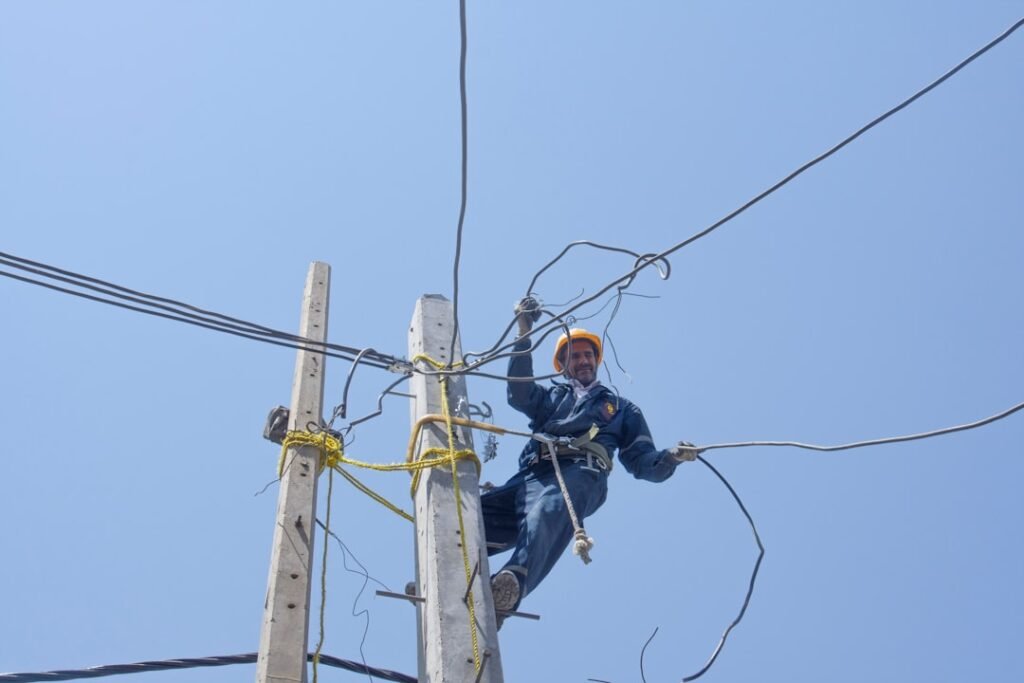
An NJ Electrical Contractor License is a legal credential that authorizes individuals or businesses to perform electrical work in the state of New Jersey. This license is essential for ensuring that electrical installations, repairs, and maintenance are conducted safely and in compliance with state regulations. The licensing process is overseen by the New Jersey Division of Consumer Affairs, which aims to protect the public by ensuring that only qualified professionals are allowed to perform electrical work.
The license signifies that the holder has met specific educational and experiential requirements, demonstrating their knowledge of electrical systems, safety protocols, and relevant codes. In New Jersey, the electrical contractor license is not just a formality; it is a critical component of the state’s regulatory framework. It helps maintain high standards in the electrical industry, ensuring that all work performed adheres to the National Electrical Code (NEC) and local building codes.
This is particularly important given the potential hazards associated with electrical work, including fire risks and electrocution. By requiring a license, New Jersey aims to minimize these risks and promote public safety.
Key Takeaways
- An NJ electrical contractor license is a certification that allows individuals to legally perform electrical work in the state of New Jersey.
- To obtain an NJ electrical contractor license, individuals must meet specific requirements set by the New Jersey Division of Consumer Affairs, including completing an application and passing an exam.
- Requirements for obtaining an NJ electrical contractor license include having a certain amount of work experience, completing a specific number of education hours, and passing a criminal background check.
- An NJ electrical contractor license is important because it ensures that individuals have the necessary skills and knowledge to perform electrical work safely and effectively.
- The renewal process for an NJ electrical contractor license involves completing continuing education hours and paying a renewal fee every three years.
How to Obtain an Nj Electrical Contractor License
Obtaining an NJ Electrical Contractor License involves a multi-step process that requires careful preparation and adherence to state regulations. The first step typically involves gaining relevant experience in the electrical field, which can be achieved through an apprenticeship or working under a licensed electrician. This hands-on experience is crucial, as it provides aspiring contractors with practical knowledge of electrical systems and safety practices.
Many candidates complete a formal apprenticeship program that combines classroom instruction with on-the-job training, allowing them to develop the skills necessary for independent work. Once the required experience has been accumulated, candidates must submit an application to the New Jersey Division of Consumer Affairs. This application includes documentation of work experience, proof of completion of any required education programs, and details about any previous licenses held.
After the application is reviewed and approved, candidates are eligible to take the licensing exam. This exam tests their knowledge of electrical theory, local codes, and safety practices. Successfully passing this exam is a critical step toward obtaining the license.
Requirements for Obtaining an Nj Electrical Contractor License
The requirements for obtaining an NJ Electrical Contractor License are designed to ensure that applicants possess the necessary skills and knowledge to perform electrical work safely and effectively. One of the primary requirements is a minimum of five years of experience in the electrical trade, which can include time spent as an apprentice or working under a licensed electrician. This experience must be documented and verified, as it serves as a foundation for understanding complex electrical systems and regulations.
In addition to experience, candidates must also complete a minimum of 60 hours of continuing education in electrical code updates and safety practices before applying for the license. This requirement ensures that electricians stay current with evolving technologies and regulations in the field. Furthermore, applicants must provide proof of liability insurance and workers’ compensation coverage, which protects both the contractor and their clients in case of accidents or damages during electrical work.
These stringent requirements reflect New Jersey’s commitment to maintaining high standards in the electrical industry.
The Importance of an Nj Electrical Contractor License
The NJ Electrical Contractor License holds significant importance for both professionals in the field and the general public. For electricians, having this license enhances their credibility and marketability. It serves as a testament to their expertise and commitment to adhering to safety standards and regulations.
Licensed electricians are often preferred by homeowners and businesses seeking electrical services because they can trust that these professionals have undergone rigorous training and testing. From a public safety perspective, the licensing process helps prevent unqualified individuals from performing potentially dangerous electrical work. Without proper oversight, there is a risk of substandard installations that could lead to electrical fires or other hazards.
By requiring electricians to be licensed, New Jersey aims to protect its residents from these risks while promoting high-quality workmanship in the industry. The license also provides consumers with recourse in case of disputes or issues arising from electrical work, as licensed contractors are held accountable to state regulations.
Nj Electrical Contractor License Renewal Process
Renewing an NJ Electrical Contractor License is a necessary process that ensures licensed electricians remain compliant with state regulations and continue to uphold industry standards. Licenses in New Jersey typically need to be renewed every three years. The renewal process involves submitting a renewal application along with proof of completed continuing education credits.
Electricians are required to complete a specific number of hours of continuing education during each renewal period to stay updated on changes in codes and safety practices. The renewal application must be submitted before the expiration date of the current license to avoid any lapse in licensure. If a license expires, the contractor may face penalties or may need to reapply for licensure entirely, which can involve retaking the licensing exam.
Therefore, it is crucial for licensed electricians to keep track of their renewal dates and ensure they meet all educational requirements well in advance of submitting their applications.
Nj Electrical Contractor License Fees
The fees associated with obtaining and renewing an NJ Electrical Contractor License can vary based on several factors, including whether the applicant is an individual or a business entity. As of recent updates, the initial application fee for an individual contractor license is typically around $100, while business entities may face higher fees due to additional regulatory requirements. These fees contribute to the administrative costs associated with processing applications and maintaining records.
In addition to initial application fees, there are also renewal fees that must be paid every three years when renewing the license. These fees can range from $100 to $200 depending on various factors such as changes in regulations or administrative costs incurred by the state. It is essential for prospective contractors to budget for these fees as part of their overall business expenses when planning to operate legally within New Jersey.
Nj Electrical Contractor License Exam
The NJ Electrical Contractor License Exam is a critical component of the licensing process, designed to assess an applicant’s knowledge and competency in various aspects of electrical work. The exam typically covers topics such as electrical theory, local building codes, safety practices, and installation techniques. Candidates must demonstrate their understanding of both theoretical concepts and practical applications related to electrical systems.
To prepare for the exam, many candidates choose to enroll in preparatory courses or study groups that focus on key topics covered in the test. These resources can provide valuable insights into common questions and help candidates familiarize themselves with the exam format. Additionally, practice exams are often available online or through educational institutions, allowing candidates to gauge their readiness before taking the official test.
Successfully passing this exam is not only a requirement for licensure but also serves as an indicator of an electrician’s ability to perform work safely and effectively.
Nj Electrical Contractor License Continuing Education
Continuing education is a vital aspect of maintaining an NJ Electrical Contractor License, ensuring that licensed electricians remain informed about changes in codes, technologies, and best practices within the industry. New Jersey mandates that licensed electricians complete a specific number of continuing education hours every three years as part of the renewal process. This requirement underscores the importance of ongoing professional development in a field that is constantly evolving due to advancements in technology and changes in safety regulations.
Continuing education courses can cover a wide range of topics, including updates on the National Electrical Code (NEC), new installation techniques, energy efficiency practices, and safety protocols. Many organizations offer these courses online or in-person, providing flexibility for busy professionals who may have difficulty attending traditional classes. By engaging in continuing education, electricians not only fulfill their licensing requirements but also enhance their skills and knowledge, ultimately benefiting their clients through improved service quality.
Nj Electrical Contractor License Reciprocity
Reciprocity agreements allow licensed electricians from other states to obtain licensure in New Jersey without having to retake the entire licensing exam or meet all local requirements from scratch. However, New Jersey does not have universal reciprocity agreements with all states; instead, it evaluates applications on a case-by-case basis based on specific criteria established by its licensing board. Electricians seeking reciprocity must provide documentation proving their licensure status in their home state along with evidence of meeting similar experience and educational requirements as those mandated by New Jersey law.
This process can streamline licensure for qualified professionals relocating to New Jersey while ensuring that they meet local standards for safety and competency.
Nj Electrical Contractor License Violations and Penalties
Violations related to NJ Electrical Contractor Licenses can have serious consequences for licensed electricians. Common violations include performing work without a valid license, failing to adhere to safety codes, or engaging in fraudulent practices such as misrepresenting qualifications or experience. The New Jersey Division of Consumer Affairs takes these violations seriously and has established penalties that can range from fines to suspension or revocation of licensure.
In cases where violations are identified, contractors may face disciplinary actions that could impact their ability to operate legally within the state. For instance, if an electrician is found guilty of performing unsafe work practices that result in property damage or injury, they may be subject to significant fines or even criminal charges depending on the severity of the offense. Maintaining compliance with state regulations is crucial for licensed electricians not only to avoid penalties but also to uphold their professional reputation.
Resources for Nj Electrical Contractor License Holders
Licensed electricians in New Jersey have access to various resources designed to support their professional development and ensure compliance with state regulations. The New Jersey Division of Consumer Affairs provides comprehensive information regarding licensing requirements, renewal processes, continuing education opportunities, and updates on regulatory changes affecting the electrical industry. Additionally, professional organizations such as the New Jersey Chapter of the National Electrical Contractors Association (NECA) offer networking opportunities, training programs, and advocacy resources for licensed contractors.
These organizations can be invaluable for electricians looking to stay informed about industry trends while connecting with peers who share similar challenges and experiences. Online forums and local trade associations also serve as platforms for sharing knowledge and best practices among licensed professionals in New Jersey’s electrical contracting community.
If you are interested in learning more about becoming a licensed electrical contractor in New Jersey, you may also want to check out this article on how to become a licensed contractor in Fresno, California. This article provides valuable information on the requirements and steps needed to obtain a contractor’s license in another state, which may offer insights and guidance for those looking to navigate the licensing process in New Jersey.
FAQs
What is an NJ Electrical Contractor License?
An NJ Electrical Contractor License is a certification that allows an individual or company to legally perform electrical contracting work in the state of New Jersey.
How do I obtain an NJ Electrical Contractor License?
To obtain an NJ Electrical Contractor License, individuals must meet the state’s education and experience requirements, pass a qualifying exam, and submit an application to the New Jersey Division of Consumer Affairs.
What are the requirements for an NJ Electrical Contractor License?
The requirements for an NJ Electrical Contractor License typically include a combination of education, work experience, and passing a state-administered exam. Specific requirements may vary, so it’s important to check with the New Jersey Division of Consumer Affairs for the most up-to-date information.
How long does it take to get an NJ Electrical Contractor License?
The timeline for obtaining an NJ Electrical Contractor License can vary depending on individual circumstances, such as meeting the education and experience requirements, scheduling and passing the exam, and submitting a complete application. It’s best to plan for several months to complete the process.
What can I do with an NJ Electrical Contractor License?
With an NJ Electrical Contractor License, individuals or companies are legally allowed to perform electrical contracting work in the state of New Jersey. This may include installing, repairing, or maintaining electrical systems in residential, commercial, or industrial settings.
Do I need an NJ Electrical Contractor License to perform electrical work in New Jersey?
Yes, individuals and companies must have an NJ Electrical Contractor License to legally perform electrical contracting work in the state of New Jersey. Working without a license can result in fines and penalties.