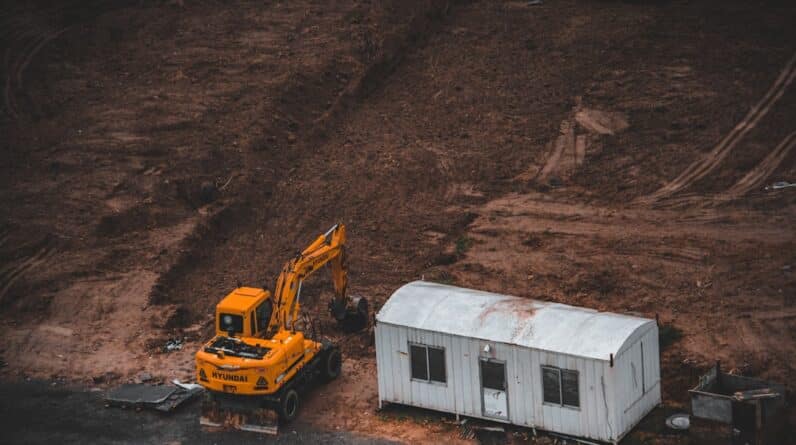
When embarking on a green building project, the significance of site-preparation cannot be overstated. You may think of site-preparation as merely the initial phase of construction, but it is much more than that. It lays the groundwork for sustainable practices that will resonate throughout the entire lifecycle of the building.
Proper site-preparation involves assessing the land, understanding its ecological characteristics, and planning accordingly to minimize environmental impact. By taking these steps, you not only ensure compliance with various green building standards but also create a foundation for energy efficiency and resource conservation. Moreover, site-preparation is crucial for optimizing the building’s orientation and layout.
You have the opportunity to consider factors such as sunlight exposure, wind patterns, and natural drainage. By strategically positioning your building, you can enhance natural lighting and ventilation, which can significantly reduce energy consumption. This foresight not only contributes to a more sustainable structure but also improves the overall comfort and well-being of its occupants.
In essence, effective site-preparation is a vital component that influences the performance and sustainability of your green building project.
Key Takeaways
- Proper site-preparation is crucial for the success of green building projects, as it sets the foundation for sustainable and environmentally friendly construction practices.
- Site-preparation plays a significant role in achieving LEED certification by ensuring that the site is optimized for energy efficiency, water efficiency, and materials selection.
- BREEAM standards incorporate site-preparation by emphasizing the importance of sustainable land use, ecological value, and minimizing the impact on the natural environment.
- Sustainable site-preparation practices for green building include soil erosion control, native landscaping, and minimizing disturbance to existing ecosystems.
- Integrating site-preparation with energy efficiency in LEED and BREEAM involves optimizing building orientation, utilizing renewable energy sources, and implementing efficient site lighting and controls.
The Role of Site-Preparation in Achieving LEED Certification
If you are aiming for LEED (Leadership in Energy and Environmental Design) certification, understanding the role of site-preparation is essential. LEED emphasizes sustainable site development as one of its core categories, and your approach to site-preparation can significantly impact your project’s score. You need to consider various factors such as site selection, soil preservation, and habitat protection.
By prioritizing these elements during the preparation phase, you can earn valuable points toward your certification goals. Additionally, LEED encourages practices that promote biodiversity and minimize disruption to existing ecosystems. As you prepare your site, you should assess the flora and fauna present and take steps to protect them.
This might involve creating buffer zones or preserving native vegetation. By doing so, you not only enhance your chances of achieving LEED certification but also contribute positively to the local environment. The integration of these sustainable practices during site-preparation can lead to a more harmonious relationship between your building and its surroundings.
How BREEAM Standards Incorporate Site-Preparation
BREEAM (Building Research Establishment Environmental Assessment Method) is another prominent green building certification system that places significant emphasis on site-preparation. If you are considering BREEAM for your project, you will find that it incorporates various criteria related to land use and ecology. The standards encourage you to assess the ecological value of your site before construction begins.
This assessment allows you to identify potential impacts on local wildlife and habitats, guiding you in making informed decisions during the preparation phase. In addition to ecological considerations, BREEAM also emphasizes sustainable land management practices. You are encouraged to implement strategies that minimize soil erosion and compaction during site-preparation.
This not only protects the integrity of the land but also enhances its ability to support vegetation and wildlife post-construction. By aligning your site-preparation efforts with BREEAM standards, you can create a more sustainable building that meets rigorous environmental criteria while fostering a positive relationship with the surrounding ecosystem.
Sustainable Site-Preparation Practices for Green Building
As you delve into sustainable site-preparation practices, it becomes clear that there are numerous strategies you can adopt to enhance your green building project. One effective approach is to conduct a thorough site analysis before any physical work begins. This analysis should include soil testing, topographical surveys, and assessments of existing vegetation and wildlife.
By gathering this information, you can make informed decisions about how to proceed with minimal disruption to the environment. Another sustainable practice involves reusing materials from the site itself. If there are existing structures or materials that can be salvaged or repurposed, consider incorporating them into your new design.
This not only reduces waste but also minimizes the need for new materials, which can have a significant environmental impact. Additionally, implementing erosion control measures during site-preparation can help protect water quality in nearby streams and rivers by preventing sediment runoff. These practices not only contribute to sustainability but also align with the principles of both LEED and BREEAM certification.
Integrating Site-Preparation with Energy Efficiency in LEED and BREEAM
Integrating site-preparation with energy efficiency is a critical aspect of achieving success in both LEED and BREEAM certifications. You should consider how your site-preparation efforts can enhance energy performance from the outset. For instance, by analyzing solar access during the preparation phase, you can position windows and other openings to maximize natural light and reduce reliance on artificial lighting.
This thoughtful approach not only contributes to energy savings but also creates a more pleasant indoor environment. Furthermore, incorporating landscaping strategies during site-preparation can significantly impact energy efficiency. You might consider planting trees strategically around your building to provide shade during hot months while allowing sunlight in during colder seasons.
This natural approach can help regulate indoor temperatures, reducing the need for heating and cooling systems. By integrating these energy-efficient strategies into your site-preparation process, you are setting the stage for a building that performs well in terms of energy consumption while adhering to LEED and BREEAM standards.
The Impact of Site-Preparation on Water Efficiency in Green Building
Water efficiency is another critical consideration in green building practices, and site-preparation plays a pivotal role in achieving optimal water management. As you prepare your site, it is essential to assess existing water resources and drainage patterns. Understanding how water flows across your property allows you to design effective stormwater management systems that minimize runoff and promote groundwater recharge.
You may also want to incorporate permeable surfaces into your site design during preparation. These surfaces allow rainwater to infiltrate into the ground rather than running off into storm drains. By doing so, you can reduce the burden on municipal water systems while enhancing local aquifers.
Additionally, implementing rain gardens or bioswales during site-preparation can further improve water efficiency by capturing and filtering stormwater before it enters natural waterways. These practices not only contribute to water conservation but also align with both LEED and BREEAM certification requirements.
Site-Preparation and Materials Selection for LEED and BREEAM Compliance
The selection of materials during site-preparation is another crucial aspect that influences your project’s compliance with LEED and BREEAM standards. You should prioritize using locally sourced materials whenever possible to reduce transportation emissions and support local economies. Additionally, consider materials that have a lower environmental impact throughout their lifecycle, such as those that are recycled or sustainably harvested.
During site-preparation, it is also essential to evaluate how materials will interact with the surrounding environment. For instance, using non-toxic landscaping materials can help protect local ecosystems while promoting biodiversity. Furthermore, selecting materials that require minimal maintenance can contribute to long-term sustainability by reducing resource consumption over time.
By carefully considering materials selection during site-preparation, you can enhance your project’s compliance with green building standards while fostering a healthier environment.
The Future of Site-Preparation in Green Building Certification and Standards
As green building practices continue to evolve, so too will the role of site-preparation in certification processes like LEED and BREEAM. You may find that future standards will place even greater emphasis on ecological restoration and resilience during site-preparation phases. This shift could lead to more stringent requirements for assessing biodiversity impacts and implementing strategies that promote habitat preservation.
Moreover, advancements in technology may play a significant role in shaping future site-preparation practices. Innovations such as drone surveys for land assessment or advanced modeling software for analyzing environmental impacts could streamline the preparation process while enhancing accuracy. As these technologies become more accessible, they will likely influence how you approach site-preparation in your green building projects.
In conclusion, understanding the importance of site-preparation in green building is essential for achieving sustainability goals and compliance with certification standards like LEED and BREEAM. By integrating sustainable practices into every aspect of site-preparation—from ecological assessments to materials selection—you can create a foundation for a successful green building project that benefits both occupants and the environment alike. As you look toward the future, embracing innovative approaches will ensure that your projects remain at the forefront of sustainable development.
If you are interested in learning more about how site-preparation aligns with green building certifications and standards, such as LEED and BREEAM, you may want to check out an article on Better Home Contractor’s website. The article discusses the importance of incorporating sustainable practices into construction projects and how it can contribute to achieving these certifications. To read more about this topic, visit Better Home Contractor Kansas City, Missouri.
FAQs
What is site preparation in the context of green building certifications and standards?
Site preparation in the context of green building certifications and standards refers to the process of preparing a construction site in an environmentally responsible manner, taking into consideration factors such as soil erosion, water management, and preservation of natural habitats.
How does site preparation align with green building certifications and standards such as LEED and BREEAM?
Site preparation aligns with green building certifications and standards such as LEED (Leadership in Energy and Environmental Design) and BREEAM (Building Research Establishment Environmental Assessment Method) by ensuring that the construction site is managed in a sustainable and environmentally friendly manner. This includes minimizing disturbance to natural features, protecting water resources, and promoting biodiversity.
What are some specific site preparation practices that align with green building certifications and standards?
Specific site preparation practices that align with green building certifications and standards include conducting thorough site assessments to identify environmentally sensitive areas, implementing erosion and sediment control measures, preserving existing vegetation, and using sustainable construction materials.
How can site preparation contribute to achieving green building certifications and standards?
Site preparation can contribute to achieving green building certifications and standards by demonstrating a commitment to environmental stewardship and sustainability. By implementing best practices in site preparation, such as minimizing site disturbance and preserving natural features, construction projects can earn points towards certification under programs like LEED and BREEAM.