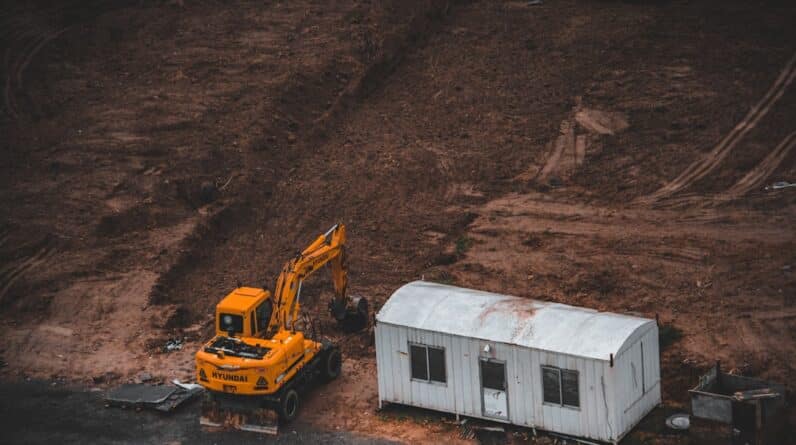
When you embark on a new construction project or land development, the first step is to understand the topography of the site. Topography refers to the arrangement of the natural and artificial physical features of an area, including its elevation, slope, and contours. By analyzing these elements, you can gain valuable insights into how the land can be utilized effectively.
This understanding is crucial not only for aesthetic purposes but also for practical considerations such as drainage, soil stability, and accessibility. As you examine the topography, you will notice that it can significantly influence various aspects of your project. For instance, steep slopes may pose challenges for construction and require specialized techniques to ensure stability.
Conversely, flat areas may offer ease of access and construction but could also lead to issues with water pooling if not properly managed. By taking the time to study the topography, you can make informed decisions that will ultimately enhance the success of your project.
Key Takeaways
- Understanding the topography of a site is crucial for effective site planning and development.
- The impact of topography on drainage can significantly affect the overall functionality and sustainability of a site.
- Soil composition and topography are closely linked, and understanding this relationship is essential for successful construction and landscaping.
- Erosion control measures must be tailored to the specific topography of a site to effectively prevent soil loss and maintain stability.
- Building placement should be carefully considered in relation to topography to optimize views, natural light, and energy efficiency.
Impact of Topography on Drainage
Steep Inclines and Water Runoff
In areas with steep inclines, water tends to run off quickly, which can lead to erosion and potential flooding in lower-lying regions.
Flat Areas and Poor Drainage
On the other hand, flat areas may experience poor drainage, resulting in waterlogging and other complications.
Effective Site Planning and Drainage Solutions
Understanding these drainage patterns is essential for effective site planning. Implementing specific drainage solutions, such as swales or retention ponds, can help manage water flow appropriately. By addressing drainage issues early in the planning process, costly problems can be prevented, and the site can remain functional and safe for its intended use.
Soil Composition and Topography
The relationship between soil composition and topography is another critical aspect to consider when developing a site. Different types of soil have varying properties that can affect their stability and suitability for construction. For example, sandy soils tend to drain well but may lack cohesion, while clay soils can retain moisture but may become unstable when saturated.
By understanding the soil composition in relation to the topography, you can make informed decisions about foundation design and landscaping. Moreover, the topography can influence how soil types are distributed across a site. In hilly areas, you might find that different elevations host distinct soil types due to factors like erosion and sediment deposition.
This variability can impact your project in several ways, from determining where to place structures to deciding on appropriate vegetation for landscaping. By conducting thorough soil tests and mapping out the topography, you can create a comprehensive plan that addresses both soil and landform characteristics.
Erosion Control and Topography
Erosion is a natural process that can be exacerbated by certain topographical features. When you have steep slopes or loose soil, the risk of erosion increases significantly, especially during heavy rainfall or rapid snowmelt. Understanding the topography allows you to identify vulnerable areas that may require erosion control measures.
Implementing strategies such as planting vegetation, installing retaining walls, or creating terraces can help stabilize the soil and reduce erosion. In addition to protecting your site from erosion, these measures can also enhance its aesthetic appeal. By incorporating natural elements into your design, you not only address practical concerns but also create a more visually pleasing environment.
As you plan your project, consider how erosion control techniques can be integrated into the overall landscape design to promote both functionality and beauty.
Building Placement and Topography
The placement of buildings on a site is heavily influenced by its topography. You need to consider factors such as slope, orientation, and views when determining where to position structures. For instance, placing a building on a hilltop may provide stunning views but could also present challenges related to access and stability.
Conversely, positioning a structure in a low-lying area may offer easy access but could expose it to flooding risks. By carefully analyzing the topography, you can optimize building placement for both functionality and aesthetics. You might choose to orient buildings to take advantage of natural light or prevailing winds, which can enhance energy efficiency and comfort.
Additionally, understanding how topographical features interact with your design can help you create outdoor spaces that are both usable and enjoyable.
Access and Topography
Access is another critical consideration when evaluating topography. The layout of roads, pathways, and driveways must be designed with the land’s contours in mind. Steep slopes may require switchback roads or graded paths to ensure safe access for vehicles and pedestrians alike.
If you overlook these factors during planning, you could end up with accessibility issues that hinder movement throughout the site. Moreover, topography can impact emergency access as well. In case of fire or medical emergencies, having clear routes that are easily navigable is essential for safety.
By taking topographical features into account when designing access points, you can create a site that is not only functional but also secure for all users.
Environmental Considerations and Topography
The interplay between topography and environmental considerations cannot be overstated. Natural features such as hills, valleys, and waterways play a significant role in local ecosystems. When planning your project, it’s essential to assess how your development will impact these systems.
For example, altering the landscape could disrupt wildlife habitats or change water flow patterns, leading to unintended consequences. By understanding the environmental implications of your site’s topography, you can implement strategies that minimize negative impacts. This might include preserving natural features or incorporating green infrastructure solutions like bioswales or permeable pavements that promote water infiltration.
By prioritizing environmental considerations in your design process, you contribute to sustainable development practices that benefit both the land and its inhabitants.
Cost Considerations and Topography
Finally, cost considerations are an integral part of any project influenced by topography. The complexity of the land can significantly affect construction costs; for instance, building on steep slopes often requires additional engineering solutions that can drive up expenses. Similarly, if extensive grading or excavation is needed to create a level building pad, this will add to your overall budget.
However, understanding the topography can also lead to cost-saving opportunities. By strategically utilizing natural features—such as positioning buildings to take advantage of existing slopes—you may reduce the need for extensive earthworks or drainage systems. Additionally, incorporating sustainable practices informed by topographical analysis can lead to long-term savings through reduced maintenance costs and improved energy efficiency.
In conclusion, understanding the topography of a site is essential for successful land development and construction projects. From drainage management to erosion control and environmental considerations, every aspect of your project is influenced by the land’s physical characteristics. By taking the time to analyze these factors thoroughly, you can make informed decisions that enhance both functionality and aesthetics while minimizing costs and environmental impacts.
When considering how the topography of a site influences site-preparation decisions, it is important to also take into account the expertise of the contractor hired for the job. A Better Home Contractor in South San Francisco, California, for example, may have experience working with hilly terrain and know how to properly prepare the site for construction. Their knowledge and skills can make a significant difference in the success of the project. To learn more about the services offered by Better Home Contractor in South San Francisco, visit their website here.
FAQs
What is site preparation?
Site preparation refers to the process of clearing, grading, and leveling a piece of land in preparation for construction or landscaping.
How does topography influence site-preparation decisions?
The topography of a site, including factors such as slope, soil type, and drainage patterns, can significantly impact site-preparation decisions. For example, steep slopes may require additional grading and stabilization measures, while poor drainage may necessitate the installation of drainage systems.
What are some site-preparation considerations for hilly or sloped terrain?
On hilly or sloped terrain, site preparation may involve terracing, retaining walls, or other measures to create a level building pad and prevent erosion. Additionally, careful consideration of drainage and erosion control is essential on such sites.
How does soil type affect site preparation?
The type of soil on a site can influence site-preparation decisions, as different soil types have varying load-bearing capacities and drainage characteristics. For example, sites with expansive clay soils may require additional measures to prevent foundation movement, while sandy soils may necessitate soil stabilization techniques.
What are some common site-preparation techniques for addressing poor drainage?
Common site-preparation techniques for addressing poor drainage include the installation of French drains, swales, and retention ponds to manage stormwater runoff and prevent waterlogging of the site.
How can the topography of a site impact landscaping decisions?
The topography of a site can influence landscaping decisions by determining the layout of features such as gardens, pathways, and water features. Additionally, the natural contours of the land may be incorporated into the design to create visually appealing and functional outdoor spaces.