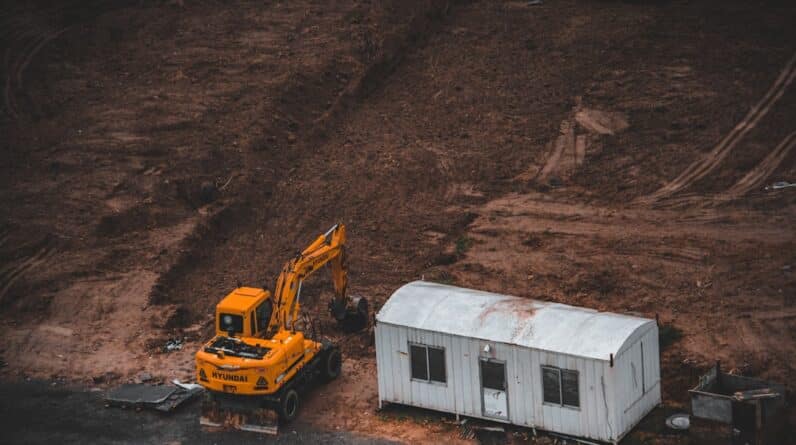
When you embark on any construction or agricultural project, the foundation of your success lies beneath your feet—literally. Soil composition and quality are critical elements that dictate the viability of your site-preparation efforts. Understanding these factors is not merely an academic exercise; it is a practical necessity that can significantly influence the outcome of your endeavors.
Soil is a complex mixture of minerals, organic matter, water, and air, and its composition can vary widely from one location to another. This variability can affect everything from drainage and nutrient availability to the structural integrity of buildings and the health of crops. As you delve deeper into the world of soil, you will discover that its quality is not just about what it contains but also about how those components interact with one another.
Healthy soil is teeming with life, including microorganisms that play a vital role in nutrient cycling and plant health. Conversely, poor-quality soil can lead to a host of problems, including erosion, compaction, and nutrient deficiencies. By gaining a comprehensive understanding of soil composition and quality, you equip yourself with the knowledge necessary to make informed decisions during site-preparation, ultimately setting the stage for success.
Key Takeaways
- Soil composition refers to the different materials that make up the soil, including sand, silt, clay, and organic matter, which all play a role in determining soil quality.
- Understanding soil composition is crucial for effective site-preparation, as it directly impacts the success of construction, agriculture, and landscaping projects.
- Factors such as soil texture, structure, pH, and nutrient content can significantly affect soil quality and its suitability for site-preparation.
- Techniques such as soil testing, visual assessment, and laboratory analysis can be used to assess soil composition and quality before site-preparation activities.
- Soil composition and quality influence site-preparation practices by determining the need for soil amendments, drainage solutions, and erosion control measures to ensure successful project outcomes.
The Importance of Soil Composition in Site-Preparation
Soil composition serves as the backbone of effective site-preparation. When you prepare a site for construction or agriculture, you must consider the specific components of the soil you are working with. For instance, sandy soils drain quickly but may lack essential nutrients, while clay soils retain moisture but can become compacted and difficult to work with.
Understanding these characteristics allows you to tailor your site-preparation strategies accordingly. If you know that your site has a high clay content, for example, you might choose to incorporate organic matter to improve drainage and aeration. Moreover, the mineral content of the soil plays a crucial role in determining its fertility.
Essential nutrients such as nitrogen, phosphorus, and potassium must be present in adequate amounts for plants to thrive. If you are preparing a site for agricultural use, conducting a soil test can provide valuable insights into nutrient levels and pH balance. This information enables you to amend the soil appropriately, ensuring that it meets the needs of the crops you intend to grow.
In construction projects, understanding soil composition helps engineers assess load-bearing capacity and stability, which are vital for ensuring the safety and longevity of structures.
Factors Affecting Soil Quality and their Impact on Site-Preparation
Several factors influence soil quality, each playing a unique role in how effectively you can prepare a site. One significant factor is soil texture, which refers to the size of soil particles. Sandy soils, for example, have larger particles and tend to drain quickly, while clay soils have smaller particles that retain moisture but can become compacted.
The texture affects not only water retention but also aeration and nutrient availability. As you prepare your site, recognizing these differences allows you to implement strategies that enhance soil quality. Another critical factor is organic matter content.
Soils rich in organic matter are generally more fertile and better at retaining moisture. They also support a diverse ecosystem of microorganisms that contribute to nutrient cycling. If your site has low organic matter content, you may need to incorporate compost or other organic amendments during site-preparation.
Additionally, human activities such as construction, agriculture, and land development can lead to soil degradation over time. Compaction from heavy machinery or erosion from water runoff can significantly diminish soil quality, making it essential for you to assess these impacts during your site-preparation process.
Techniques for Assessing Soil Composition and Quality
To effectively assess soil composition and quality, you have several techniques at your disposal. One of the most straightforward methods is conducting a soil test. This involves collecting samples from various locations within your site and sending them to a laboratory for analysis.
The results will provide you with detailed information about nutrient levels, pH balance, and organic matter content. Armed with this data, you can make informed decisions about necessary amendments or treatments before beginning your site-preparation. In addition to laboratory testing, visual assessments can also be valuable.
By examining soil color, texture, and structure, you can gain insights into its composition and potential issues. For instance, dark-colored soils often indicate high organic matter content, while lighter soils may suggest sandier textures. You can also perform a simple “squeeze test” to evaluate soil moisture levels; if the soil holds together when squeezed but crumbles when disturbed, it may have an ideal balance of moisture and texture.
Combining these techniques will give you a comprehensive understanding of your soil’s condition and help guide your site-preparation efforts.
How Soil Composition and Quality Influence Site-Preparation Practices
The interplay between soil composition and quality directly influences your site-preparation practices. For instance, if your analysis reveals that the soil is highly compacted or has poor drainage capabilities, you may need to employ specific techniques such as tilling or aeration to improve its structure before proceeding with construction or planting. Conversely, if the soil is found to be rich in nutrients and well-drained, you might opt for minimal intervention, allowing natural processes to enhance its fertility.
Moreover, understanding soil composition can help you select appropriate plant species or construction materials that are compatible with the existing conditions. For example, if you’re preparing a garden bed in sandy soil, choosing drought-resistant plants will likely yield better results than attempting to grow species that require consistent moisture. Similarly, in construction projects, knowing the load-bearing capacity of different soil types can inform your choice of foundation design and materials.
Ultimately, aligning your practices with the specific characteristics of your soil will lead to more successful outcomes.
Strategies for Improving Soil Composition and Quality for Site-Preparation
Improving soil composition and quality is an essential step in effective site-preparation. One strategy involves adding organic amendments such as compost or well-rotted manure to enhance nutrient levels and improve soil structure. These amendments not only provide essential nutrients but also promote microbial activity that contributes to long-term soil health.
Incorporating cover crops during fallow periods can also be beneficial; they help prevent erosion while adding organic matter back into the soil when tilled under. Another approach is implementing proper drainage systems if your site is prone to waterlogging or poor drainage conditions. Installing French drains or swales can redirect excess water away from critical areas, allowing for better aeration and reducing compaction risks.
Additionally, practicing crop rotation in agricultural settings can help maintain soil fertility by preventing nutrient depletion associated with growing the same crops year after year. By employing these strategies during site-preparation, you can create a more conducive environment for both construction projects and agricultural endeavors.
Case Studies: Examples of Site-Preparation Success and Failure Due to Soil Composition and Quality
Examining real-world case studies can provide valuable insights into how soil composition and quality impact site-preparation outcomes. One notable success story involves a community garden project in an urban area where initial soil tests revealed high levels of contaminants due to previous industrial use. The project team decided to implement raised beds filled with clean topsoil and organic amendments instead of attempting to remediate the existing soil directly.
This approach not only ensured safety but also created an ideal growing environment for various plants. Conversely, there are numerous examples of failures attributed to neglecting soil quality during site-preparation. A construction project in a coastal region faced significant delays when it was discovered that the underlying clay layer was more expansive than anticipated.
The team had not conducted thorough soil assessments prior to breaking ground; as a result, they encountered severe drainage issues that led to costly rework and project overruns. These case studies underscore the importance of understanding soil composition and quality as integral components of successful site-preparation.
The Role of Soil Composition and Quality in Effective Site-Preparation
In conclusion, the significance of soil composition and quality cannot be overstated when it comes to effective site-preparation. Whether you’re preparing land for agricultural use or laying the groundwork for construction projects, understanding these factors will empower you to make informed decisions that enhance outcomes. By assessing soil characteristics through testing and visual evaluations, you can tailor your practices to meet specific needs.
Moreover, implementing strategies for improving soil health will not only benefit your immediate project but also contribute to long-term sustainability. As you navigate the complexities of site-preparation, remember that the foundation of your success lies beneath the surface—within the intricate world of soil composition and quality. Embracing this knowledge will ultimately lead you toward more successful projects and healthier ecosystems.
When considering how soil composition and quality affect the site-preparation process, it is important to also take into account the legacy of historical restoration in modern architecture. This article explores how the preservation of historical buildings and structures can inspire future innovations in construction and design. By understanding the importance of maintaining the integrity of historical sites, contractors can better appreciate the significance of soil composition and quality in the overall site-preparation process.
FAQs
What is soil composition?
Soil composition refers to the different components that make up soil, including minerals, organic matter, water, and air.
How does soil composition affect site preparation?
The composition of soil can affect site preparation in various ways, such as influencing drainage, compaction, and the ability of plants to establish roots.
What is soil quality?
Soil quality refers to the ability of soil to perform its functions, including supporting plant growth, regulating water flow, and providing habitat for organisms.
How does soil quality impact site preparation?
Soil quality can impact site preparation by affecting the suitability of the site for construction, landscaping, or agricultural activities.
What are some common soil composition and quality issues that affect site preparation?
Common issues include soil compaction, poor drainage, high acidity or alkalinity, low organic matter content, and contamination with pollutants.
How can soil composition and quality be improved for site preparation?
Improvements can be made through techniques such as soil testing, adding organic matter, adjusting pH levels, and implementing proper drainage systems.