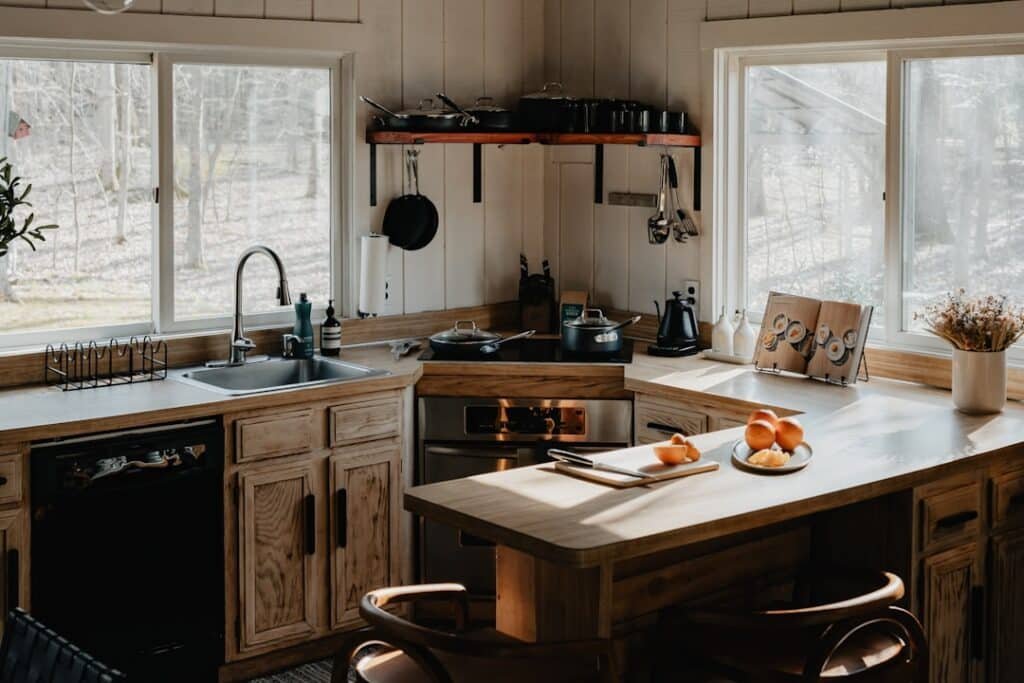
When planning your outdoor kitchen, the first step is to carefully consider its location and layout. You want to choose a spot that not only complements your home but also enhances your outdoor living experience. Ideally, the kitchen should be situated close to your indoor kitchen for convenience, allowing for easy access to ingredients and supplies.
Think about the flow of movement; you don’t want to be running back and forth unnecessarily. A well-thought-out layout can make all the difference in how you enjoy your outdoor cooking space. In addition to proximity to your indoor kitchen, consider the orientation of your outdoor kitchen.
Positioning it to take advantage of natural light can create a warm and inviting atmosphere. You might also want to think about how the sun moves throughout the day. If you plan to cook during peak hours, having some shade can make the experience much more comfortable.
Furthermore, consider the views from your outdoor kitchen. You may want to face it toward a beautiful garden or a scenic landscape, turning cooking into a delightful experience rather than a chore.
Key Takeaways
- Location and Layout: Choose a location for your outdoor kitchen that is easily accessible and has enough space for cooking, dining, and socializing.
- Ventilation and Safety: Ensure proper ventilation to prevent smoke buildup and install safety features such as fire extinguishers and heat-resistant materials.
- Material Selection: Select durable and weather-resistant materials such as stainless steel, stone, and concrete for your outdoor kitchen to withstand the elements.
- Weather Resistance: Consider weather-resistant appliances and fixtures to ensure your outdoor kitchen can withstand rain, wind, and sun exposure.
- Maintenance and Cleaning: Choose materials and finishes that are easy to clean and maintain to keep your outdoor kitchen looking great for years to come.
- Functionality and Workflow: Design your outdoor kitchen with a focus on functionality and workflow to make cooking and entertaining outdoors a breeze.
- Integration with Other Outdoor Kitchen Features: Consider integrating your outdoor kitchen with other features such as a bar, seating area, or fire pit for a cohesive outdoor living space.
- Professional Installation and Permitting: Hire a professional for the installation of your outdoor kitchen and ensure all necessary permits are obtained to comply with local regulations.
Ventilation and Safety
Creating a Pleasant Cooking Environment
These features can help maintain a pleasant cooking environment, allowing you to focus on preparing delicious meals without worrying about smoke or heat buildup. Safety should always be a top priority when designing your outdoor kitchen.
Fire Safety Precautions
Ensure that your cooking appliances are placed at a safe distance from flammable materials, such as wooden decks or overhanging structures. Additionally, consider incorporating fire safety features like fire extinguishers and non-combustible surfaces.
Additional Safety Measures
It’s also wise to have a first-aid kit readily available in case of minor accidents. By taking these precautions, you can create an outdoor kitchen that is not only functional but also safe for you and your guests.
Material Selection
Choosing the right materials for your outdoor kitchen is essential for both aesthetics and durability. Outdoor kitchens are exposed to various weather conditions, so selecting materials that can withstand the elements is crucial. Stainless steel is a popular choice for appliances and fixtures due to its resistance to rust and corrosion.
Additionally, stone or brick can provide a sturdy base for countertops and walls, offering both beauty and longevity. Beyond durability, consider the overall style you want to achieve. If you prefer a modern look, sleek materials like glass and polished concrete may be appealing.
On the other hand, if you’re aiming for a rustic charm, natural wood and stone can create a warm and inviting atmosphere. The right material selection not only enhances the visual appeal of your outdoor kitchen but also ensures that it remains functional and attractive for years to come.
Weather Resistance
Weather resistance is a vital consideration when designing your outdoor kitchen. Since it will be exposed to rain, snow, sun, and wind, you need to ensure that all components can withstand these elements without deteriorating quickly. For instance, using weather-resistant cabinetry and countertops can prevent warping or fading over time.
Look for materials specifically designed for outdoor use, as they often come with protective coatings that enhance their longevity. In addition to choosing durable materials, think about how you can protect your outdoor kitchen from extreme weather conditions. Installing a roof or awning can provide shelter from rain and snow while also offering shade during hot summer days.
You might also consider incorporating retractable screens or windbreaks to shield against strong winds. By taking these steps, you can create an outdoor kitchen that remains functional and beautiful regardless of the weather.
Maintenance and Cleaning
Maintaining your outdoor kitchen is essential for ensuring its longevity and functionality. Regular cleaning is necessary to prevent buildup of grease, dirt, and debris that can accumulate over time. Depending on the materials you’ve chosen, cleaning methods may vary.
For instance, stainless steel surfaces often require specific cleaners to avoid streaks and scratches, while stone countertops may need sealing to protect against stains. In addition to routine cleaning, consider implementing a seasonal maintenance schedule. This could include checking for any signs of wear or damage, inspecting appliances for proper functioning, and ensuring that all surfaces are in good condition.
By staying proactive with maintenance tasks, you can avoid costly repairs down the line and keep your outdoor kitchen looking its best.
Functionality and Workflow
Streamlining Your Workflow
For instance, if you often grill, having a dedicated grilling station with ample counter space nearby will streamline your workflow. Consider incorporating features like prep sinks or refrigerators to minimize trips back indoors.
Optimizing Your Layout
Think about how you want to arrange your appliances and work areas for maximum efficiency. A well-planned layout can significantly enhance your cooking experience by allowing you to move seamlessly between different tasks.
Creating a Seamless Cooking Experience
For example, placing the grill near the prep area ensures that you can easily transfer food from one station to another without unnecessary delays. By prioritizing functionality in your design, you’ll create an outdoor kitchen that meets your needs perfectly.
Integration with Other Outdoor Kitchen Features
Integrating your outdoor kitchen with other features in your backyard can create a cohesive and inviting space for entertaining. Consider how your kitchen will connect with dining areas, lounges, or even fire pits. A seamless transition between these spaces encourages social interaction and makes hosting gatherings more enjoyable.
You might also think about incorporating additional features like an outdoor bar or pizza oven into your design. These elements not only enhance the functionality of your outdoor kitchen but also add unique touches that can impress guests. By thoughtfully integrating various components of your outdoor space, you’ll create an environment that feels harmonious and well-planned.
Professional Installation and Permitting
While some homeowners may feel confident tackling their outdoor kitchen project themselves, enlisting professional help can ensure that everything is done correctly and safely. Professional installers have the expertise needed to navigate complex plumbing and electrical requirements while adhering to local building codes. This not only saves you time but also provides peace of mind knowing that your outdoor kitchen is built to last.
Before beginning any construction work, it’s essential to check local permitting requirements. Many municipalities have specific regulations regarding outdoor kitchens, especially concerning plumbing and electrical installations. Obtaining the necessary permits ensures that your project complies with local laws and helps avoid potential fines or complications down the line.
By working with professionals who understand these requirements, you can streamline the process and focus on enjoying your new outdoor cooking space once it’s complete. In conclusion, designing an outdoor kitchen involves careful consideration of various factors including location, ventilation, material selection, weather resistance, maintenance, functionality, integration with other features, and professional installation. By taking the time to plan each aspect thoughtfully, you can create an outdoor kitchen that not only enhances your home but also elevates your culinary experiences in the great outdoors.
If you are interested in community efforts in historical preservation and building partnerships for success, you may want to check out the article