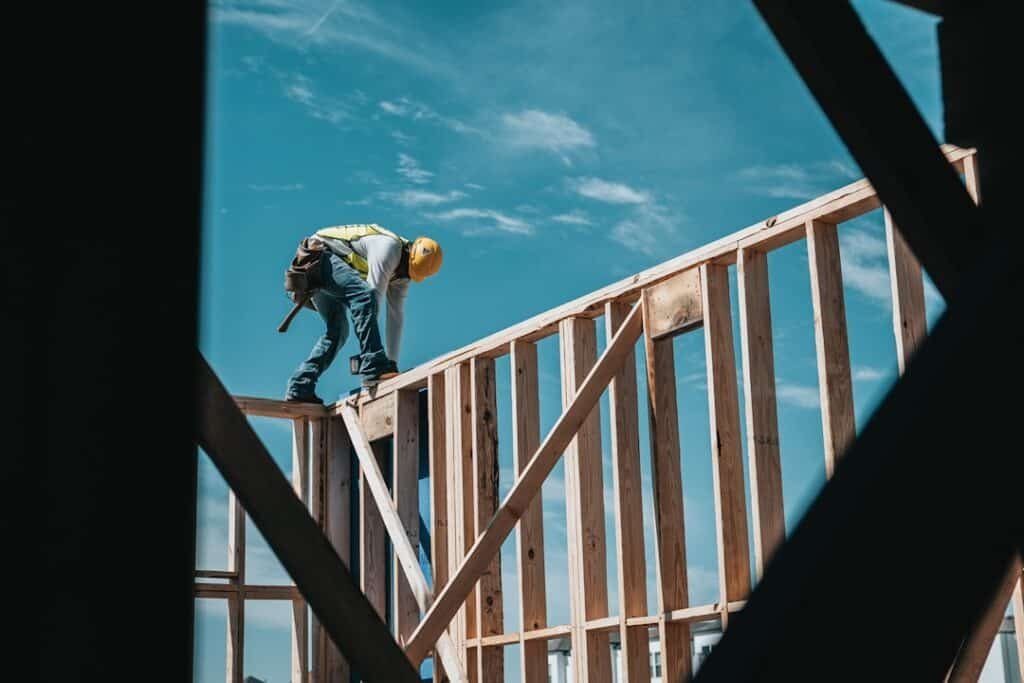
The journey of home construction is often a complex and multifaceted endeavor, with costs that can vary significantly based on a multitude of factors. At its core, the cost of building a home encompasses not just the physical materials and labor, but also a range of ancillary expenses that can catch many first-time builders off guard. These costs can be broadly categorized into hard costs, which include materials and labor directly associated with the construction, and soft costs, which cover permits, design fees, and other pre- and post-construction expenses.
Understanding these categories is crucial for anyone embarking on the home-building journey. Hard costs typically account for the bulk of the budget. This includes everything from the foundation to the roofing, as well as fixtures and finishes.
For instance, the choice of materials can dramatically influence these costs; opting for high-end finishes or sustainable materials can lead to a significant increase in expenses. On the other hand, soft costs, while often overlooked, can add up quickly. These may include architectural fees, engineering consultations, and various permits required by local authorities.
A comprehensive understanding of both hard and soft costs is essential for creating an accurate financial plan that reflects the true scope of the project.
Key Takeaways
- Understanding the costs of home construction is essential for setting a realistic budget.
- Factors such as location, size, and complexity of the project can affect construction costs.
- Allocating funds for materials and labor is crucial for staying within budget.
- Planning for unexpected expenses is important to avoid financial strain during construction.
- Seeking financing options and monitoring the budget throughout the process can help manage costs effectively.
Setting a Realistic Budget
Establishing a realistic budget is one of the most critical steps in the home construction process. A well-thought-out budget serves as a roadmap, guiding decisions and helping to prevent overspending. To create an effective budget, it is essential to start with a clear understanding of your financial situation, including available savings and potential financing options.
This initial assessment will help determine how much you can afford to spend without compromising your financial stability. Once you have a grasp on your finances, it’s important to break down your budget into specific categories. This includes allocating funds for land acquisition, construction costs, interior finishes, landscaping, and contingency funds for unexpected expenses.
Each category should be based on realistic estimates derived from research and consultations with professionals in the field. For example, if you are considering a custom home design, consulting with an architect can provide insights into design fees that should be factored into your budget. By being thorough in this planning phase, you can create a budget that not only reflects your vision but also aligns with your financial capabilities.
Factors Affecting Construction Costs
Numerous factors can influence the overall cost of home construction, making it essential for prospective builders to conduct thorough research before embarking on their projects. One of the most significant factors is location. The geographical area where you plan to build can dramatically affect both labor and material costs.
For instance, urban areas often have higher labor rates due to increased demand and living costs, while rural areas may present challenges in sourcing materials or skilled labor. Another critical factor is the size and complexity of the home design. Larger homes or those with intricate architectural features will naturally incur higher costs due to increased material needs and labor hours.
Additionally, local building codes and regulations can impact costs; certain areas may require specific materials or construction methods that could be more expensive than standard practices. Understanding these variables early in the planning process allows builders to make informed decisions that align with their budgetary constraints.
Allocating Funds for Materials and Labor
When it comes to home construction, careful allocation of funds for materials and labor is paramount. The choice of materials not only affects aesthetic appeal but also has significant implications for durability and maintenance costs over time. For example, while opting for cheaper materials may seem like a cost-saving measure initially, it could lead to higher long-term expenses due to repairs or replacements.
Therefore, it is crucial to strike a balance between quality and cost when selecting materials. Labor costs also play a vital role in the overall budget. Hiring skilled tradespeople can be more expensive upfront but may result in better workmanship and fewer issues down the line.
It’s advisable to obtain multiple quotes from contractors to ensure competitive pricing while also considering their reputation and past work quality. Additionally, some builders choose to take on certain tasks themselves to save on labor costs; however, this approach requires careful consideration of one’s skills and available time to avoid compromising the project’s quality or timeline.
Planning for Unexpected Expenses
In any construction project, unexpected expenses are almost inevitable. Whether it’s due to unforeseen site conditions, changes in material prices, or delays caused by weather or supply chain issues, having a contingency plan is essential for maintaining financial stability throughout the process. A common recommendation is to set aside 10% to 20% of your total budget as a contingency fund specifically for these unforeseen circumstances.
Planning for unexpected expenses also involves being flexible with your design choices and timelines. For instance, if you encounter an unexpected cost related to site preparation, you may need to adjust your plans for interior finishes or landscaping to stay within budget. Open communication with your contractor can help identify potential issues early on and allow for proactive adjustments rather than reactive ones later in the process.
Seeking Financing Options
Financing options play a crucial role in making home construction feasible for many individuals and families. Traditional mortgage loans are one common avenue; however, they may not always cover the full scope of construction costs. Construction loans are specifically designed for building projects and typically provide funds in stages as construction progresses.
This type of financing can be beneficial as it allows borrowers to pay interest only on the amount disbursed at each stage rather than on the total loan amount upfront. Additionally, exploring government-backed loans or grants can provide further financial assistance for eligible borrowers. Programs such as FHA loans or VA loans offer favorable terms for first-time homebuyers or veterans looking to build their homes.
It’s essential to research various financing options thoroughly and consult with financial advisors or mortgage brokers who specialize in construction financing to find the best fit for your specific needs.
Monitoring and Adjusting the Budget Throughout the Construction Process
Once construction begins, ongoing monitoring of the budget is vital to ensure that expenses remain within planned limits. Regularly reviewing expenditures against the budget allows builders to identify any discrepancies early on and make necessary adjustments before they escalate into larger issues. This process often involves maintaining detailed records of all transactions related to the project, including invoices from contractors and suppliers.
Adjustments may be necessary due to changes in project scope or unexpected costs that arise during construction. For example, if additional site work is required due to unforeseen geological conditions, it may necessitate reallocating funds from other areas of the budget. Maintaining open lines of communication with contractors and suppliers can facilitate these adjustments and help ensure that everyone involved remains aligned with the project’s financial goals.
Tips for Saving Money on Home Construction
Saving money during home construction requires strategic planning and informed decision-making at every stage of the process. One effective strategy is to prioritize energy-efficient designs and materials that may have higher upfront costs but will lead to significant savings over time through reduced utility bills. For instance, investing in high-quality insulation or energy-efficient windows can lower heating and cooling costs significantly.
Another way to save money is by being flexible with timelines and material choices. If you are willing to wait for sales or discounts on materials or are open to using alternative products that offer similar benefits at lower prices, you can significantly reduce overall expenses. Additionally, consider engaging in DIY projects where feasible; tasks such as painting or landscaping can often be completed by homeowners themselves, providing substantial savings on labor costs while allowing for personal touches that reflect individual style preferences.
If you are looking to create a spa-like retreat in your new home, you may want to check out the article “Bathroom Bliss: The Ultimate Guide to Designing Your Spa-Like Retreat”. This article provides valuable tips and inspiration for designing a luxurious bathroom that will help you relax and unwind after a long day. It complements the information provided in the Budgeting for Home Construction article by emphasizing the importance of creating a comfortable and inviting space in your new home.
FAQs
What is home construction budgeting?
Home construction budgeting is the process of estimating and planning for the costs associated with building a new home. This includes expenses such as materials, labor, permits, and any additional fees.
Why is budgeting for home construction important?
Budgeting for home construction is important because it helps homeowners and builders to plan and manage their finances effectively. It ensures that the project stays within financial constraints and helps to avoid overspending.
What are the key components of a home construction budget?
The key components of a home construction budget include the cost of land, design and architectural fees, building materials, labor costs, permits and fees, landscaping, and any additional expenses such as insurance and taxes.
How can I create a budget for home construction?
To create a budget for home construction, it is important to research and gather estimates for each component of the project. It is also advisable to work with a professional such as a builder or architect to ensure accuracy and to account for any unforeseen costs.
What are some tips for managing a home construction budget?
Some tips for managing a home construction budget include setting aside a contingency fund for unexpected expenses, regularly reviewing and adjusting the budget as needed, and prioritizing needs over wants to avoid unnecessary costs. It is also important to communicate openly with the builder or contractor to stay on track financially.