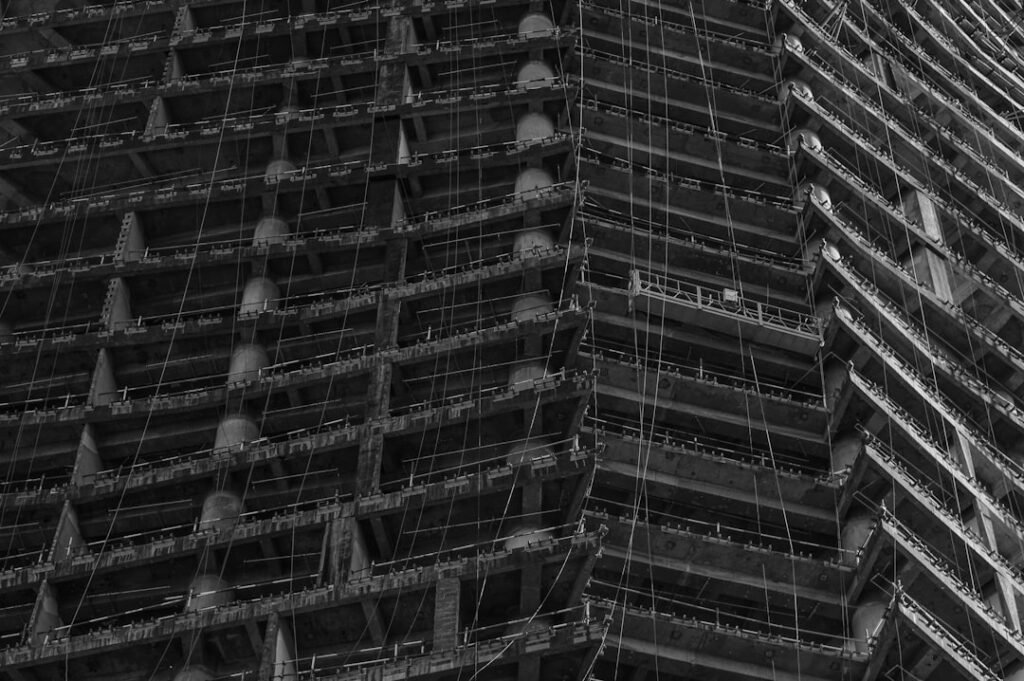
When embarking on any construction project, understanding the importance of code compliance is paramount. Building codes are established to ensure that structures are safe, reliable, and built to withstand various environmental factors. These codes serve as a set of guidelines that dictate how buildings should be constructed, renovated, and maintained.
By adhering to these regulations, you not only protect the safety of the occupants but also enhance the longevity and durability of the structure itself. Ignoring these codes can lead to severe consequences, including structural failures, legal issues, and financial losses. Moreover, code compliance is essential for maintaining the integrity of the community.
When all contractors and builders adhere to the same standards, it fosters a sense of uniformity and safety within neighborhoods. This collective adherence helps to ensure that all buildings are equipped to handle local weather conditions, seismic activity, and other potential hazards. As a responsible contractor or builder, you play a crucial role in upholding these standards, which ultimately contributes to the overall well-being of the community and its residents.
Key Takeaways
- Code compliance is crucial for ensuring the safety, structural integrity, and environmental impact of construction projects.
- Contractors are responsible for understanding and adhering to building codes and regulations to ensure compliance.
- Building permits and inspections are necessary steps to ensure that construction projects meet code requirements and standards.
- Safety and structural integrity must be prioritized to prevent accidents and ensure the longevity of the structure.
- Compliance with environmental regulations is essential to minimize the impact of construction on the environment and surrounding areas.
Responsibilities of Contractors in Ensuring Code Compliance
As a contractor, your responsibilities in ensuring code compliance are multifaceted and critical to the success of any project. First and foremost, you must familiarize yourself with the local building codes and regulations that apply to your specific project. This involves not only understanding the written codes but also staying updated on any changes or amendments that may occur over time.
By doing so, you position yourself as a knowledgeable professional who can navigate the complexities of construction law effectively. In addition to understanding the codes, you are also responsible for implementing them throughout the construction process. This means that every aspect of your work—from the foundation to the roofing—must meet or exceed the established standards.
You must ensure that your team is adequately trained and aware of these requirements, fostering a culture of compliance on-site. Regular inspections and quality control measures should be part of your routine to catch any potential issues before they escalate into significant problems.
Building Permits and Inspections
Obtaining building permits is a critical step in the construction process that cannot be overlooked. These permits serve as official approval from local authorities, granting you permission to proceed with your project while ensuring that it aligns with existing codes and regulations. Before you can even break ground, you must submit detailed plans and specifications for review.
This process not only validates your project but also provides an opportunity for regulatory bodies to assess its compliance with safety standards. Once you have secured the necessary permits, inspections become an integral part of your responsibilities. Throughout various stages of construction, inspectors will evaluate your work to ensure it meets code requirements.
These inspections can cover everything from electrical systems to plumbing and structural integrity. It is essential to view these inspections as opportunities for improvement rather than obstacles. By welcoming feedback from inspectors, you can make necessary adjustments that enhance the quality and safety of your project.
Ensuring Safety and Structural Integrity
Safety and structural integrity are at the forefront of any construction project, and as a contractor, it is your duty to prioritize these elements. Building codes are designed not only to protect the occupants but also to ensure that structures can withstand natural disasters such as earthquakes, floods, or hurricanes. By adhering to these codes, you contribute significantly to minimizing risks associated with structural failures.
To ensure safety on-site, you must implement rigorous safety protocols for your team. This includes providing proper training on equipment usage, personal protective gear, and emergency procedures. A culture of safety not only protects your workers but also enhances productivity and morale.
When everyone feels secure in their environment, they can focus on their tasks without unnecessary distractions or fears.
Compliance with Environmental Regulations
In today’s world, compliance with environmental regulations is more crucial than ever. As a contractor, you must be aware of how your construction practices impact the environment and take steps to mitigate any negative effects. This includes understanding regulations related to waste disposal, water usage, and energy efficiency.
By integrating sustainable practices into your projects, you not only comply with legal requirements but also contribute positively to the environment. Moreover, being environmentally conscious can enhance your reputation as a contractor. Clients are increasingly looking for builders who prioritize sustainability and eco-friendly practices.
By showcasing your commitment to environmental compliance, you can attract more clients who value these principles. This not only benefits your business but also promotes a healthier planet for future generations.
Documentation and Record-Keeping
Effective documentation and record-keeping are essential components of code compliance that should never be underestimated. As a contractor, maintaining accurate records of all permits, inspections, and compliance measures is crucial for several reasons. First, these documents serve as proof of compliance should any disputes arise in the future.
They provide a clear trail of accountability that can protect you from potential legal issues. Additionally, thorough documentation allows for better project management. By keeping track of all aspects of your project—from timelines to budgets—you can identify areas for improvement and streamline processes for future projects.
This organized approach not only enhances efficiency but also demonstrates professionalism to clients and regulatory authorities alike.
Communication and Collaboration with Regulatory Authorities
Establishing open lines of communication with regulatory authorities is vital for ensuring code compliance throughout your project. Engaging with local building departments early in the planning process can provide valuable insights into specific requirements that may apply to your project. By fostering a collaborative relationship with these authorities, you can navigate potential challenges more effectively.
Regular communication also allows you to stay informed about any changes in regulations or codes that may impact your work. Being proactive in seeking guidance from regulatory bodies can help you avoid costly mistakes down the line. Moreover, demonstrating a willingness to collaborate shows that you take compliance seriously, which can enhance your reputation within the industry.
Consequences of Non-Compliance
The consequences of non-compliance with building codes can be severe and far-reaching. As a contractor, failing to adhere to these regulations can result in hefty fines, legal action, or even the revocation of your license. Beyond financial penalties, non-compliance can lead to significant safety risks for occupants and workers alike.
In extreme cases, it may result in structural failures that endanger lives and property. Furthermore, non-compliance can tarnish your reputation within the industry. Word travels fast in construction circles; clients may hesitate to hire a contractor known for cutting corners or ignoring regulations.
This can lead to lost business opportunities and diminished trust from both clients and regulatory authorities. Ultimately, prioritizing code compliance is not just about avoiding penalties; it’s about building a sustainable career based on integrity and professionalism. In conclusion, understanding code compliance is essential for anyone involved in construction projects.
As a contractor, you bear significant responsibilities in ensuring adherence to building codes while prioritizing safety and environmental considerations. By maintaining thorough documentation, fostering communication with regulatory authorities, and recognizing the consequences of non-compliance, you position yourself as a responsible professional committed to excellence in your field. Embracing these principles will not only enhance your reputation but also contribute positively to the communities in which you work.
Contractors have a responsibility to ensure that their work complies with building codes and regulations to ensure the safety and integrity of the structures they work on. This includes obtaining the necessary permits and inspections to ensure that the work meets all legal requirements. For more information on the importance of contractor code compliance responsibilities, check out this article on Better Home Contractor in Pharr, Texas.
FAQs
What are contractor code compliance responsibilities?
Contractor code compliance responsibilities refer to the legal and ethical obligations that contractors have to adhere to building codes, safety regulations, and industry standards when carrying out construction projects.
Why are contractor code compliance responsibilities important?
Adhering to code compliance responsibilities ensures that construction projects are completed safely, efficiently, and in accordance with legal requirements. It also helps to protect the health and well-being of workers, occupants, and the general public.
What are some examples of contractor code compliance responsibilities?
Examples of contractor code compliance responsibilities include obtaining necessary permits, following building codes and regulations, ensuring proper safety measures are in place, using quality materials, and adhering to project specifications and industry standards.
How can contractors ensure code compliance responsibilities are met?
Contractors can ensure code compliance responsibilities are met by staying informed about relevant regulations and standards, obtaining necessary permits and approvals, conducting regular inspections, and working with qualified professionals to address any compliance issues.
What are the consequences of failing to meet code compliance responsibilities?
Failing to meet code compliance responsibilities can result in legal penalties, project delays, safety hazards, and damage to a contractor’s reputation. It can also lead to costly rework and repairs to bring the project into compliance.