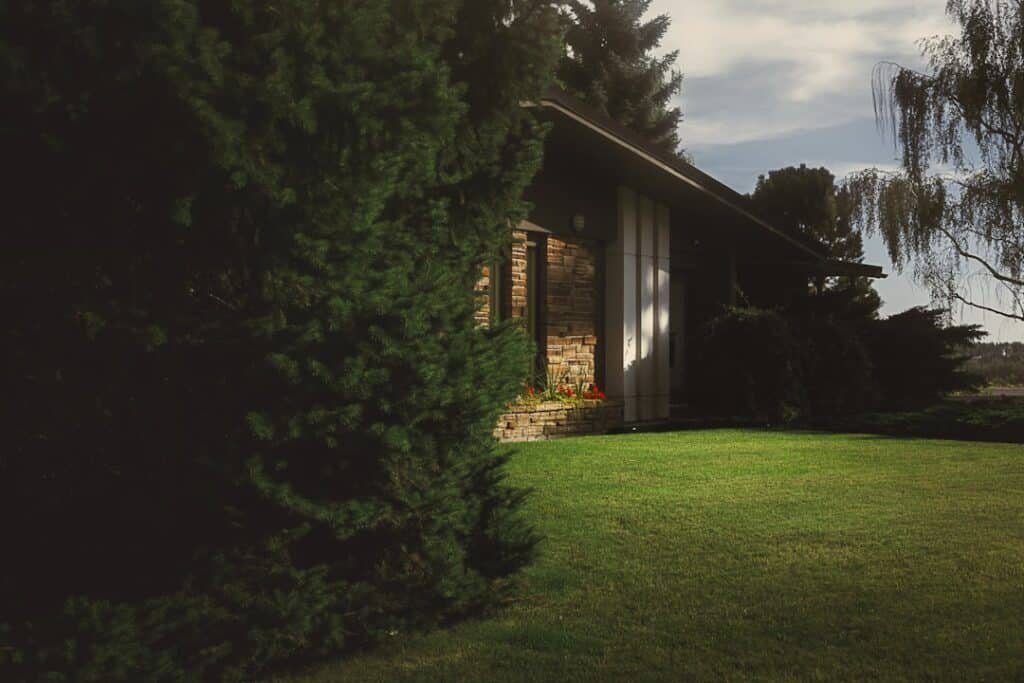
When embarking on a new construction project, the significance of integrating landscaping and green spaces into site-preparation design cannot be overstated. You may find that these elements not only enhance the aesthetic appeal of a site but also contribute to its functionality and sustainability. By considering landscaping from the outset, you create a harmonious relationship between built environments and natural ecosystems.
This integration fosters a sense of community and well-being, making spaces more inviting and enjoyable for users. Moreover, incorporating green spaces into site-preparation design can lead to improved environmental outcomes. You might be aware that urban areas often suffer from issues like heat islands, poor air quality, and stormwater runoff.
By strategically placing trees, shrubs, and other vegetation, you can mitigate these challenges. Green spaces act as natural air filters, absorbing pollutants and providing shade, which can significantly lower temperatures in urban settings. This not only benefits the environment but also enhances the quality of life for residents and visitors alike.
Key Takeaways
- Integrating landscaping and green spaces into site-preparation design is important for creating a sustainable and aesthetically pleasing environment.
- Incorporating green spaces in site-preparation can lead to benefits such as improved air quality, reduced urban heat island effect, and enhanced biodiversity.
- When incorporating landscaping into site-preparation design, considerations such as soil quality, water management, and plant selection should be taken into account.
- Sustainable landscaping practices for site-preparation include using native plants, implementing water-efficient irrigation systems, and minimizing chemical use.
- Types of green spaces to consider in site-preparation design include community gardens, urban parks, green roofs, and green walls.
Benefits of incorporating green spaces in site-preparation
The benefits of incorporating green spaces into site-preparation are manifold and can have lasting impacts on both the environment and community. One of the most immediate advantages you may notice is the enhancement of biodiversity. By creating habitats for various species, you contribute to the ecological balance of the area.
This is particularly important in urban settings where natural habitats are often fragmented or destroyed. The presence of diverse flora and fauna can enrich the local ecosystem, making it more resilient to changes and disturbances. In addition to ecological benefits, green spaces can also provide significant social advantages.
You might find that parks, gardens, and other landscaped areas serve as communal gathering spots, fostering social interaction and community cohesion. These spaces can be designed for various activities, from passive relaxation to active recreation, catering to a wide range of interests and age groups. The psychological benefits of green spaces are well-documented; they can reduce stress, improve mood, and even enhance cognitive function.
By incorporating these elements into your site-preparation design, you create environments that promote health and well-being.
Considerations for incorporating landscaping into site-preparation design
As you consider incorporating landscaping into your site-preparation design, several key factors should guide your decisions. First and foremost, you need to assess the existing site conditions. This includes understanding the soil type, drainage patterns, and microclimates present on the property.
By conducting a thorough site analysis, you can identify opportunities for planting native species that are well-suited to the local environment. This not only ensures the longevity of your landscaping efforts but also minimizes maintenance requirements. Another important consideration is the intended use of the space.
You should think about how people will interact with the landscape and what activities will take place there. For instance, if the area is meant for recreational purposes, you might want to include open lawns, walking paths, or playgrounds. Conversely, if the goal is to create a serene environment for relaxation, you may opt for more secluded garden areas with seating options.
By aligning your landscaping choices with the intended use of the space, you can create a more functional and enjoyable environment.
Sustainable landscaping practices for site-preparation
Sustainable landscaping practices are essential when it comes to site-preparation design. You may want to consider implementing strategies that minimize environmental impact while maximizing ecological benefits. One effective approach is to prioritize native plants in your landscaping plans.
Native species are adapted to local conditions and require less water and maintenance compared to non-native varieties. By choosing plants that thrive in your region, you can create a resilient landscape that supports local wildlife and reduces resource consumption. Another sustainable practice to consider is the use of permeable materials in hardscaping elements such as walkways and patios.
Permeable surfaces allow rainwater to infiltrate the ground rather than running off into storm drains, which can help mitigate flooding and recharge groundwater supplies. Additionally, incorporating rain gardens or bioswales into your design can further enhance stormwater management by capturing runoff and filtering pollutants before they enter waterways. By adopting these sustainable practices in your site-preparation design, you contribute to a healthier environment while also setting an example for responsible land use.
Types of green spaces to consider in site-preparation design
When planning your site-preparation design, it’s essential to consider various types of green spaces that can enhance the overall environment. Parks are perhaps the most common type of green space, providing open areas for recreation and relaxation. You might envision large parks with walking trails, picnic areas, and playgrounds that cater to families and individuals alike.
These spaces not only serve as recreational hubs but also as venues for community events and gatherings. In addition to traditional parks, you may want to explore the concept of pocket parks or community gardens. Pocket parks are small green spaces that can be integrated into urban settings where land is limited.
They provide a much-needed respite from concrete surroundings and can be designed with seating areas, native plants, and art installations. Community gardens offer another avenue for green space integration by allowing residents to cultivate their own plants while fostering a sense of ownership and collaboration among neighbors. These types of green spaces can significantly enhance community engagement and promote sustainable practices.
Planning and designing green spaces in site-preparation
Effective planning and design are crucial when it comes to integrating green spaces into your site-preparation efforts. You should start by developing a comprehensive landscape plan that outlines your vision for the space while considering factors such as topography, soil conditions, and existing vegetation. Collaborating with landscape architects or designers can provide valuable insights into creating a cohesive design that meets both aesthetic and functional goals.
As you move forward with your design process, it’s essential to incorporate elements that promote biodiversity and ecological health. This might involve creating layered plantings with trees, shrubs, and groundcovers that provide habitat for wildlife while also enhancing visual interest throughout the seasons. Additionally, consider incorporating features such as water elements or art installations that can serve as focal points within the landscape.
By thoughtfully planning and designing your green spaces during site preparation, you set the stage for a vibrant environment that benefits both people and nature.
Maintenance and upkeep of green spaces in site-preparation design
Once your green spaces are established as part of your site-preparation design, ongoing maintenance becomes essential to ensure their longevity and health. You may want to develop a maintenance plan that outlines tasks such as watering, pruning, mulching, and pest management. Regular maintenance not only keeps your landscape looking its best but also helps prevent issues such as disease or invasive species from taking hold.
In addition to routine maintenance tasks, consider involving the community in caring for these green spaces. Community engagement can foster a sense of ownership among residents while also providing valuable hands-on experience in gardening and landscape care. Organizing volunteer days or educational workshops can empower individuals to take an active role in maintaining their local environment.
By prioritizing maintenance and community involvement in your site-preparation design, you create a sustainable model that supports both ecological health and social connection.
Case studies of successful integration of landscaping and green spaces in site-preparation design
Examining case studies of successful integration of landscaping and green spaces in site-preparation design can provide valuable insights into best practices and innovative approaches. One notable example is the High Line in New York City—a former elevated railway transformed into a linear park featuring native plants, walking paths, and public art installations. This project not only revitalized an underutilized space but also became a model for urban greening initiatives worldwide.
Another inspiring case study is the transformation of an abandoned lot in Detroit into a vibrant community garden known as “The Greening of Detroit.” This initiative involved local residents in the planning process, resulting in a space that reflects their needs and desires while promoting sustainable practices such as composting and rainwater harvesting. The success of this project highlights the importance of community involvement in creating meaningful green spaces during site preparation. By exploring these case studies, you can gain inspiration for your own projects while understanding the potential impact of integrating landscaping and green spaces into site-preparation design.
The lessons learned from these examples underscore the importance of thoughtful planning, community engagement, and sustainable practices in creating environments that benefit both people and nature alike.
When considering how site preparation can incorporate landscaping and green spaces into the design, it is important to consult with experienced professionals like Better Home Contractor. Their team in North Richland Hills, Texas, Bismarck, North Dakota, and Temple, Texas, has the expertise to create beautiful outdoor spaces that seamlessly blend with the surrounding environment. By visiting their website at Better Home Contractor North Richland Hills, Texas, you can learn more about their services and how they can help enhance the overall design of your property.
FAQs
What is site preparation?
Site preparation refers to the process of clearing, grading, and leveling a piece of land in preparation for construction or landscaping.
How can landscaping be incorporated into site preparation?
Landscaping can be incorporated into site preparation by carefully planning the placement of trees, shrubs, and other vegetation to enhance the aesthetic appeal of the site and provide environmental benefits such as shade and improved air quality.
What are green spaces in the context of site preparation?
Green spaces refer to areas within a site that are intentionally left undeveloped and are instead landscaped with grass, trees, and other vegetation to create natural, open areas for recreation and relaxation.
Why is it important to incorporate landscaping and green spaces into site preparation?
Incorporating landscaping and green spaces into site preparation can improve the overall aesthetics of the site, provide environmental benefits such as improved air quality and stormwater management, and create inviting spaces for people to enjoy.
What are some common landscaping elements that can be incorporated into site preparation?
Common landscaping elements that can be incorporated into site preparation include trees, shrubs, flower beds, grassy areas, walking paths, and water features such as ponds or fountains.