When you think about your home, the outdoor space often plays a crucial role in how you experience your living environment. An outdoor kitchen is not just a functional area for cooking; it serves as an extension of your home, a place where you can entertain guests, enjoy family gatherings, and savor the beauty of nature while preparing meals. The design of this space is paramount, as it can significantly influence your outdoor cooking experience.
A well-thought-out outdoor kitchen design can enhance your lifestyle, making it more enjoyable and convenient to cook and dine al fresco. Moreover, the importance of outdoor kitchen design extends beyond mere functionality. A thoughtfully designed outdoor kitchen can increase the value of your property, making it more appealing to potential buyers.
In today’s real estate market, outdoor living spaces are highly sought after, and a beautifully designed kitchen can set your home apart from others. By investing time and resources into creating an inviting and efficient outdoor cooking area, you not only enhance your own enjoyment but also contribute to the overall aesthetic and marketability of your home.
Key Takeaways
- Outdoor kitchen design enhances the overall functionality and aesthetics of a home’s outdoor space.
- A functional and stylish outdoor cooking space should prioritize convenience, accessibility, and safety.
- Aesthetic elements such as landscaping, furniture, and decor can elevate the design of an outdoor kitchen.
- Choosing the right materials, such as stainless steel or natural stone, can enhance the aesthetics and durability of an outdoor kitchen.
- Lighting and ambiance play a crucial role in creating a welcoming and inviting atmosphere in an outdoor kitchen.
Creating a Functional and Stylish Outdoor Cooking Space
To create an outdoor kitchen that is both functional and stylish, you need to consider several key elements. First and foremost, think about the layout. The arrangement of appliances, countertops, and seating areas should facilitate a smooth workflow.
You want to ensure that everything is within reach when you’re cooking, so consider the classic work triangle concept: the relationship between the grill, sink, and refrigerator. This will help you move seamlessly between tasks without unnecessary interruptions. In addition to functionality, style plays a significant role in how you perceive your outdoor kitchen.
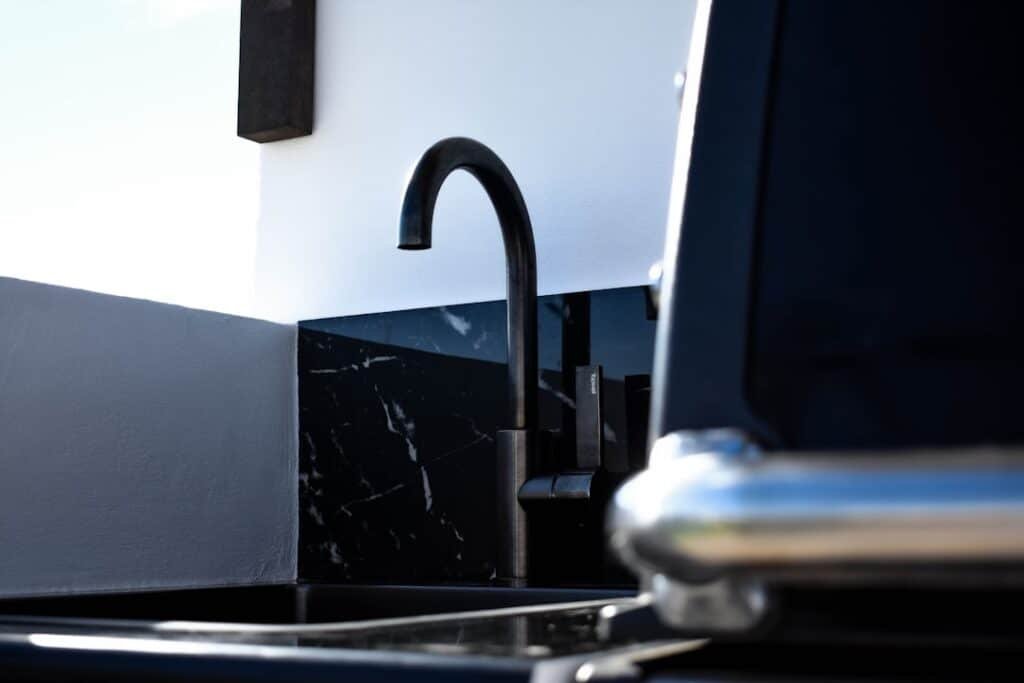
Choose a design that complements the overall aesthetic of your home and garden. Whether you prefer a modern look with sleek lines and minimalist features or a rustic charm with natural materials and warm colors, your outdoor kitchen should reflect your personal taste. Incorporating stylish elements such as decorative backsplashes, elegant lighting fixtures, or unique seating options can elevate the space from merely functional to truly inviting.
Incorporating Aesthetic Elements into Outdoor Kitchen Design

Aesthetic elements are what transform an ordinary outdoor kitchen into a captivating space that draws people in. One way to achieve this is through the use of color. Consider incorporating vibrant hues that resonate with the surrounding landscape or opting for a monochromatic palette that exudes sophistication.
The choice of colors can set the mood for your outdoor cooking area, making it feel either lively and energetic or calm and serene. Another way to enhance aesthetics is through landscaping. Surrounding your outdoor kitchen with lush greenery, colorful flowers, or even decorative stones can create a harmonious blend between nature and your cooking space.
Additionally, think about incorporating features like pergolas or awnings that not only provide shade but also add architectural interest. These elements can create a cozy atmosphere that invites you to spend more time outdoors, whether you’re cooking or simply enjoying a meal with loved ones.
Choosing the Right Materials for Outdoor Kitchen Aesthetics
The materials you select for your outdoor kitchen are crucial in achieving both durability and aesthetic appeal. When choosing surfaces for countertops, consider options like granite or quartzite, which are not only visually stunning but also resistant to heat and weather conditions. These materials can withstand the rigors of outdoor cooking while providing a luxurious look that enhances the overall design.
In addition to countertops, think about the materials used for cabinetry and flooring. Stainless steel is a popular choice for appliances due to its sleek appearance and resistance to rust and corrosion. For cabinetry, weather-resistant woods like teak or marine-grade polymer can offer both beauty and longevity.
When it comes to flooring, options like porcelain tiles or natural stone can provide a stylish foundation that ties the entire space together while being easy to clean and maintain.
Lighting and Ambiance: Enhancing the Aesthetics of Outdoor Kitchen Design
Lighting plays a pivotal role in setting the ambiance of your outdoor kitchen. It’s not just about functionality; the right lighting can create an inviting atmosphere that encourages gatherings and celebrations. Consider incorporating layered lighting options, such as task lighting for cooking areas, ambient lighting for dining spaces, and accent lighting to highlight architectural features or landscaping elements.
String lights or lanterns can add a whimsical touch to your outdoor kitchen, creating a warm glow that enhances evening gatherings. Additionally, recessed lighting in overhead structures or under-counter lighting can provide practical illumination while adding depth to the design. By thoughtfully planning your lighting scheme, you can transform your outdoor kitchen into a magical space that feels welcoming at any hour.
Maximizing Space and Flow in Outdoor Kitchen Design

Maximizing space in your outdoor kitchen is essential for creating an efficient cooking environment. If you have limited square footage, consider multi-functional furniture that can serve various purposes without taking up too much room. For instance, an island with built-in storage can provide additional prep space while keeping utensils and supplies organized.
Flow is another critical aspect of outdoor kitchen design. You want to ensure that there’s enough room for movement between different areas without feeling cramped. Creating distinct zones for cooking, dining, and lounging can help maintain an organized layout while allowing for easy navigation.
By carefully planning these elements, you can create an outdoor kitchen that feels spacious and inviting, even in smaller areas.
Adding Personalized Touches to Outdoor Kitchen Aesthetics
Personalization is what makes your outdoor kitchen truly unique and reflective of your style. Consider incorporating elements that showcase your personality or interests. This could be as simple as adding decorative accents like colorful dishware or artwork that resonates with you.
Alternatively, you might choose to include features like a custom-built pizza oven or a bar area that caters to your culinary passions. Another way to personalize your outdoor kitchen is through landscaping choices that reflect your tastes. Whether it’s planting herbs for easy access while cooking or creating a themed garden that complements your cooking style, these touches can make the space feel more like an extension of yourself.
By infusing personal elements into your design, you create an outdoor kitchen that not only serves practical purposes but also tells your story.
Maintaining the Aesthetics of Outdoor Kitchen Design: Tips and Tricks
Once you’ve invested time and effort into designing your outdoor kitchen, maintaining its aesthetics becomes essential for long-term enjoyment. Regular cleaning is key; ensure that surfaces are wiped down after each use to prevent buildup from grease or food particles. For materials like stone or tile, consider sealing them periodically to protect against stains and weather damage.
Additionally, seasonal maintenance is crucial for preserving the beauty of your outdoor kitchen. During colder months, cover appliances and furniture to shield them from harsh weather conditions. Regularly inspect any landscaping elements surrounding your kitchen to ensure they remain healthy and vibrant.
By staying proactive with maintenance, you can keep your outdoor kitchen looking fresh and inviting for years to come. In conclusion, designing an outdoor kitchen involves careful consideration of various elements that contribute to both functionality and aesthetics. From layout and materials to lighting and personalization, each aspect plays a vital role in creating a space that enhances your outdoor living experience.
By investing in thoughtful design and maintenance practices, you can enjoy a beautiful outdoor kitchen that serves as a hub for culinary creativity and social gatherings for many seasons ahead.
If you’re looking to elevate your outdoor kitchen design, you may want to consider hiring a professional contractor to help bring your vision to life. Better Home Contractor offers services in various locations, including Waukesha, Wisconsin, Gainesville, Florida, and Harlingen, Texas. Their expertise can help you create a stylish and functional outdoor kitchen that will impress your guests and enhance your entertaining experience.
FAQs
What are the key elements of outdoor kitchen design?
Outdoor kitchen design typically includes elements such as a cooking area with a grill, a food preparation area, storage for utensils and ingredients, and seating for dining and entertaining.
What are some popular materials used in outdoor kitchen design?
Popular materials for outdoor kitchen design include stainless steel for appliances, countertops, and cabinets, as well as stone, brick, and tile for flooring, backsplashes, and outdoor countertops.
What are some important considerations for outdoor kitchen layout and functionality?
When designing an outdoor kitchen, it’s important to consider the layout for efficient workflow, the proximity to indoor kitchen and dining areas, the integration of lighting and shade, and the incorporation of ventilation for smoke and odors.
How can aesthetics be incorporated into outdoor kitchen design?
Aesthetics can be incorporated into outdoor kitchen design through the use of stylish and durable materials, thoughtful landscaping and hardscaping, decorative lighting, and the integration of design elements that complement the overall outdoor living space.
What are some popular outdoor kitchen design styles?
Popular outdoor kitchen design styles include modern and contemporary designs with sleek lines and minimalist aesthetics, rustic and traditional designs with natural materials and cozy features, and Mediterranean-inspired designs with colorful tiles and lush greenery.