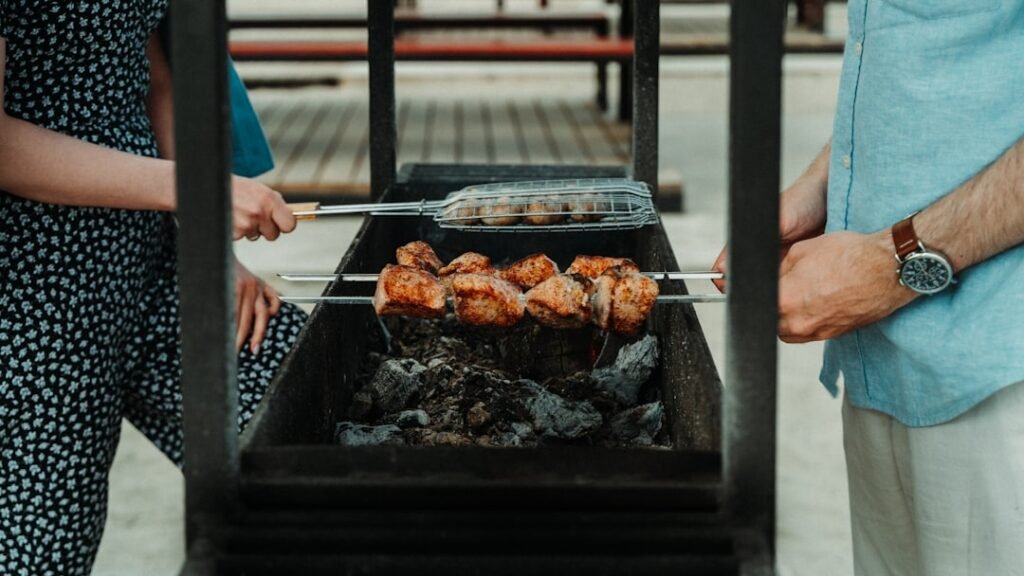
Imagine stepping outside into your backyard, where the sun is shining, and the air is filled with the tantalizing aroma of grilled meats and fresh vegetables. An outdoor kitchen transforms your cooking experience, allowing you to enjoy the beauty of nature while preparing meals. One of the most significant benefits of having an outdoor kitchen is the ability to entertain guests in a relaxed and inviting atmosphere.
You can host barbecues, family gatherings, or casual get-togethers without feeling confined to the indoors. The open-air setting encourages social interaction, making it easier for you to connect with friends and family while you cook. Moreover, outdoor kitchens can enhance your home’s value.
Potential buyers often view outdoor living spaces as a desirable feature, which can lead to a higher resale value. By investing in an outdoor kitchen, you not only create a personal oasis for yourself but also make a smart financial decision for the future. Additionally, cooking outdoors can promote healthier eating habits.
With the convenience of grilling and preparing fresh ingredients right in your backyard, you may find yourself opting for lighter, more nutritious meals. The combination of fresh air and outdoor cooking can inspire creativity in your culinary endeavors, leading to new recipes and flavors that you might not have explored otherwise.
Key Takeaways
- An outdoor kitchen allows for easy entertaining and socializing while cooking
- Proper planning is essential for creating a functional and efficient outdoor kitchen space
- Essential appliances for outdoor cooking include a grill, refrigerator, and sink
- Choosing the right materials such as stainless steel and stone will ensure durability and easy maintenance
- Creating a comfortable and functional outdoor dining area with seating and shade is important for enjoying meals outdoors
Planning Your Outdoor Kitchen Space
When it comes to planning your outdoor kitchen, the first step is to assess your available space. Take a good look at your backyard or patio area and consider how much room you have to work with. You want to create a layout that is both functional and aesthetically pleasing.
Think about the flow of movement; you don’t want to feel cramped while cooking or entertaining. Consider drawing a rough sketch of your ideal setup, including where you envision placing appliances, countertops, and seating areas. This will help you visualize how everything will come together.
Next, think about how you intend to use your outdoor kitchen. Will it be primarily for grilling, or do you plan to incorporate a full range of cooking appliances? Your intended use will influence the design and layout significantly.
If you love hosting large gatherings, you might want to include a spacious island with seating for guests. On the other hand, if you prefer intimate dinners with family, a smaller setup may suffice. Additionally, consider the proximity to your indoor kitchen; having easy access to your indoor appliances can make meal prep more efficient.
By carefully planning your space, you can create an outdoor kitchen that meets your needs and enhances your lifestyle.
Essential Appliances for Outdoor Cooking

Equipping your outdoor kitchen with the right appliances is crucial for maximizing its functionality. A high-quality grill is often the centerpiece of any outdoor cooking space. Whether you prefer gas, charcoal, or electric grills, choose one that suits your cooking style and preferences.
A grill with multiple burners allows for versatile cooking options, enabling you to prepare various dishes simultaneously. Additionally, consider adding a smoker or a pizza oven for those who enjoy experimenting with different cooking techniques. In addition to grilling equipment, think about incorporating other essential appliances that will elevate your outdoor cooking experience.
A refrigerator is invaluable for keeping ingredients fresh and beverages cold while you entertain guests. A sink with running water is another practical addition that simplifies food prep and cleanup. If you enjoy making cocktails or smoothies outdoors, a wet bar can be a fantastic feature as well.
By selecting the right appliances, you can create a fully functional outdoor kitchen that caters to all your culinary needs.
Choosing the Right Materials for Your Outdoor Kitchen
Selecting durable materials is vital when designing your outdoor kitchen, as they must withstand various weather conditions while maintaining their aesthetic appeal. Stainless steel is a popular choice for appliances and fixtures due to its resistance to rust and corrosion. It not only looks sleek but also offers longevity, making it ideal for outdoor environments.
When it comes to countertops, consider materials like granite or quartzite that are both heat-resistant and easy to clean. In addition to appliances and countertops, pay attention to flooring options as well. Natural stone or pavers can provide a beautiful foundation for your outdoor kitchen while ensuring durability against the elements.
You might also want to consider using weather-resistant cabinetry that complements your overall design theme. By choosing high-quality materials that are built to last, you can create an outdoor kitchen that remains functional and visually appealing for years to come.
Creating a Comfortable and Functional Outdoor Dining Area
An outdoor kitchen is not complete without a comfortable dining area where you and your guests can enjoy meals together. Start by selecting furniture that is both stylish and functional; weather-resistant materials like teak or aluminum are excellent choices for outdoor dining sets. Consider the size of your table and chairs based on how many people you typically entertain.
A larger table may be necessary if you frequently host gatherings, while a smaller setup may suffice for intimate dinners. In addition to furniture selection, think about the layout of your dining area in relation to your cooking space. You want to create a seamless flow between cooking and dining so that serving food is convenient.
Adding shade elements like umbrellas or pergolas can enhance comfort during hot summer days while providing protection from unexpected rain showers. By thoughtfully designing your outdoor dining area, you can create an inviting space that encourages relaxation and enjoyment.
Lighting and Heating Options for Your Outdoor Kitchen

To make the most of your outdoor kitchen year-round, consider incorporating effective lighting and heating options. Proper lighting is essential for both functionality and ambiance during evening gatherings. String lights or lanterns can create a warm atmosphere while providing adequate illumination for cooking and dining areas.
Additionally, task lighting above cooking surfaces ensures safety while preparing meals after sunset. When it comes to heating options, outdoor heaters or fire pits can extend the usability of your kitchen during cooler months. These features not only provide warmth but also add an inviting focal point to your outdoor space.
If you enjoy entertaining late into the night, consider installing a fireplace or fire pit where guests can gather around for warmth and conversation. By integrating thoughtful lighting and heating solutions, you can create an outdoor kitchen that remains enjoyable regardless of the season.
Maintenance and Care for Your Outdoor Kitchen
Maintaining your outdoor kitchen is essential for ensuring its longevity and functionality over time. Regular cleaning should be part of your routine; this includes wiping down surfaces after each use and deep cleaning appliances periodically. For stainless steel surfaces, use specialized cleaners designed for this material to prevent scratches and maintain its shine.
Don’t forget about the grill; cleaning grates after each use will help prevent buildup and ensure optimal performance. In addition to regular cleaning, seasonal maintenance checks are crucial for keeping everything in working order. Inspect appliances for any signs of wear or damage, especially after harsh weather conditions.
If you have a gas grill, check hoses and connections for leaks before using them again after winter months. By staying proactive with maintenance tasks, you can enjoy your outdoor kitchen without worrying about unexpected repairs or replacements.
Bringing Your Outdoor Kitchen to Life with Personal Touches
Finally, adding personal touches can truly bring your outdoor kitchen to life and make it feel like an extension of your home. Consider incorporating decorative elements such as potted plants or herbs that not only enhance aesthetics but also provide fresh ingredients at your fingertips. You might also want to display unique serving ware or colorful table settings that reflect your personality and style.
Another way to personalize your space is by creating themed areas within your outdoor kitchen. For example, if you love Italian cuisine, consider adding a pasta station complete with tools and ingredients readily available. Alternatively, if you’re passionate about grilling, dedicate a section of your kitchen to barbecue essentials like spices and marinades.
By infusing your personality into the design of your outdoor kitchen, you create a space that feels uniquely yours—one where memories are made over delicious meals shared with loved ones. In conclusion, designing an outdoor kitchen offers numerous benefits that enhance both your lifestyle and property value. From planning the space effectively to selecting essential appliances and materials, every decision contributes to creating a functional yet inviting environment for cooking and entertaining outdoors.
With thoughtful design elements like comfortable dining areas, effective lighting solutions, and personal touches throughout the space, you can transform your backyard into an oasis that reflects your tastes while providing endless opportunities for enjoyment with family and friends.
If you are looking to incorporate cultural elements into your outdoor kitchen design, you may find the article Preserving Identity: Incorporating Cultural Elements into Architectural Designs to be a valuable resource. This article explores how to infuse your outdoor space with elements that reflect your heritage and personal style, creating a truly unique and meaningful space for cooking and entertaining. Whether you are in Berkeley, California or Washington, District of Columbia, this article can help you create a space that is both functional and culturally significant.
FAQs
What are the essential components of an outdoor kitchen?
Essential components of an outdoor kitchen include a grill, storage space, countertops, a sink, and adequate lighting. Additional features such as a refrigerator, pizza oven, and bar area can also be considered depending on individual preferences.
What factors should be considered when planning an outdoor kitchen?
When planning an outdoor kitchen, factors such as the available space, budget, desired features, and local building codes and regulations should be taken into consideration. It is also important to consider the layout and flow of the outdoor kitchen to ensure functionality and convenience.
What materials are commonly used for outdoor kitchen countertops?
Common materials used for outdoor kitchen countertops include granite, concrete, stainless steel, and tile. These materials are chosen for their durability, resistance to the elements, and ease of maintenance.
How can outdoor kitchens be protected from the elements?
Outdoor kitchens can be protected from the elements by using durable and weather-resistant materials for construction, installing a pergola or awning for shade, and incorporating features such as windbreaks or outdoor curtains. Additionally, using weatherproof covers for appliances and furniture can help protect them from rain and sun exposure.
What are some popular design styles for outdoor kitchens?
Popular design styles for outdoor kitchens include modern, rustic, Mediterranean, and tropical. Each style incorporates different materials, colors, and features to create a unique and inviting outdoor cooking and entertaining space.