Groundwork to Greatness: The Role of Site Preparation in Construction
Site preparation is a critical phase in the construction process that lays the groundwork for the entire project. You may not realize it, but the success of your construction endeavor hinges significantly on how well you prepare the site. Proper site preparation ensures that the land is ready for building, which can prevent costly delays and complications down the line.
It involves a series of steps that include assessing the land, clearing debris, grading, and ensuring that the soil is stable enough to support the structure. By investing time and resources into this initial phase, you set a solid foundation for everything that follows. Moreover, effective site preparation can enhance the longevity and durability of the structures you build.
When you take the time to prepare the site adequately, you minimize risks associated with soil erosion, flooding, and other environmental factors that could compromise the integrity of your construction. This proactive approach not only saves you money in potential repairs but also contributes to the overall safety and functionality of the building. In essence, site preparation is not just a preliminary step; it is a vital investment in the future of your construction project.
Key Takeaways
- Proper site preparation is crucial for the success of any construction project
- Assessing the site for construction involves evaluating factors such as soil quality, drainage, and accessibility
- Clearing and grading the site is necessary to create a level and stable foundation for construction
- Soil stabilization and compaction are essential to ensure the strength and durability of the construction site
- Utility installation and coordination must be carefully planned and executed to support the needs of the construction project
Assessing the Site for Construction
Identifying Potential Challenges
Conducting a site survey helps identify potential challenges that may arise during construction, enabling proactive measures to be taken. In addition to physical characteristics, it is essential to consider zoning regulations and land use restrictions that may affect the project.
Understanding Local Laws and Ordinances
Understanding local laws and ordinances is vital for ensuring compliance and avoiding legal issues later on. Engaging with local authorities or hiring a land surveyor can provide valuable insights into what is permissible on the chosen site.
Ensuring a Smooth Construction Process
By taking these steps to assess the site thoroughly, you position yourself for a smoother construction process and increase the likelihood of project success.
Clearing and Grading the Site

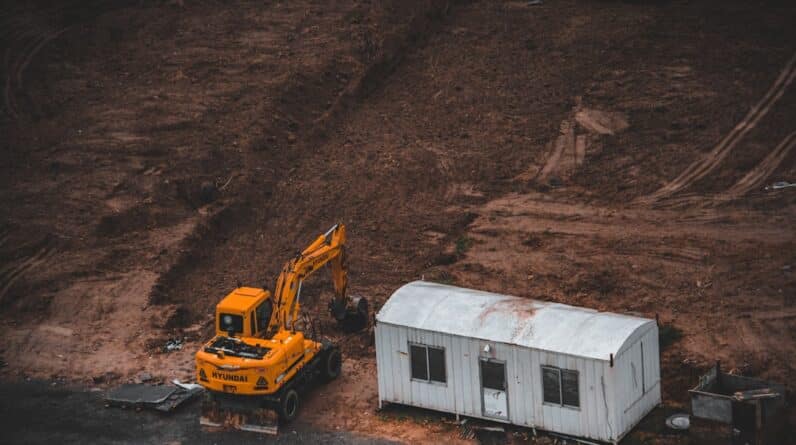
Once you have assessed the site and gathered all necessary information, the next step is clearing and grading. This phase involves removing any obstacles such as trees, rocks, and debris that may hinder construction activities. You may find that this process is more than just a physical task; it requires careful planning and execution to ensure that the land is adequately prepared for building.
Depending on the size of your project, you might need heavy machinery to assist in this process, which can expedite clearing efforts. Grading is equally important as it involves leveling the ground to create a stable base for your structure. Proper grading ensures that water drains away from the building, reducing the risk of flooding or water damage in the future.
You should pay close attention to slopes and contours during this phase to ensure that they align with your design plans. By effectively clearing and grading the site, you create an optimal environment for construction, setting the stage for a successful build.
Soil Stabilization and Compaction
After clearing and grading, soil stabilization and compaction become paramount in preparing your site for construction. The stability of the soil directly impacts the structural integrity of your building; therefore, it’s essential to assess its composition and make necessary adjustments. You may need to conduct soil tests to determine its load-bearing capacity and identify any weaknesses that could pose risks during construction.
Compaction is a critical process that involves compressing the soil to increase its density and strength. This step helps prevent future settling or shifting of the ground beneath your structure. You might use various methods for compaction, including mechanical compactors or vibratory rollers, depending on the soil type and project requirements.
By ensuring proper soil stabilization and compaction, you create a solid foundation that will support your building for years to come.
Utility Installation and Coordination
With a well-prepared site in place, it’s time to focus on utility installation and coordination. This phase involves laying down essential services such as water, electricity, gas, and sewage systems that are crucial for your building’s functionality. You must coordinate with utility companies to ensure that all installations are completed efficiently and in compliance with local regulations.
Effective communication with utility providers is vital during this stage. You should schedule installations in a manner that aligns with your construction timeline while also considering potential disruptions to existing services in the area. Additionally, it’s important to mark out utility lines before beginning any excavation work to avoid damaging them during construction.
By prioritizing utility installation and coordination, you ensure that your building will be equipped with all necessary services from day one.
Environmental Considerations

Assessing Environmental Impacts
As you progress through site preparation, it’s essential to keep environmental considerations at the forefront of your planning. Construction activities can have significant impacts on local ecosystems, so being mindful of these effects is crucial for sustainable development. You should assess how your project may affect wildlife habitats, water sources, and vegetation in the area.
Mitigating Environmental Impacts
Implementing erosion control measures is one way to mitigate environmental impacts during construction. Techniques such as silt fencing or sediment basins can help prevent soil runoff into nearby water bodies. Additionally, consider incorporating green building practices into your project design to minimize resource consumption and promote sustainability.
Contributing to a Sustainable Future
By prioritizing environmental considerations during site preparation, you contribute positively to both your community and the planet.
Safety and Regulatory Compliance
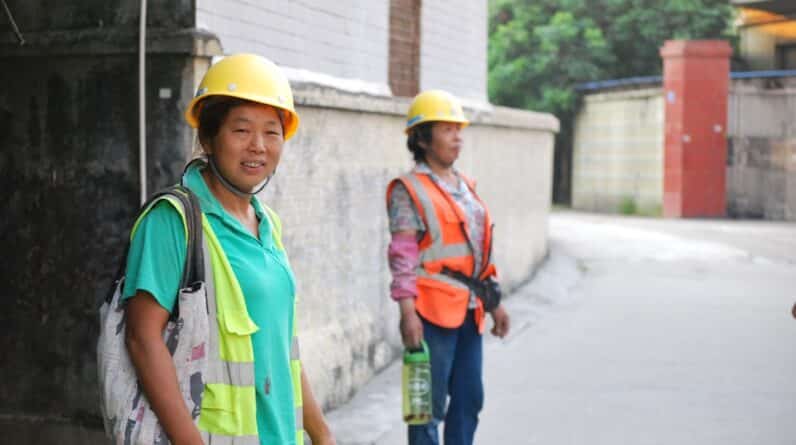
Safety should always be a top priority during site preparation and construction activities. You must adhere to safety regulations set forth by local authorities to protect workers and minimize risks on-site. This includes providing proper training for all personnel involved in construction activities and ensuring they have access to necessary safety equipment.
Regulatory compliance extends beyond safety; it also encompasses zoning laws, building codes, and environmental regulations that govern construction practices in your area. Familiarizing yourself with these requirements is essential for avoiding fines or legal complications down the line. Regular inspections by local authorities may be required throughout the construction process to ensure compliance with all regulations.
By prioritizing safety and regulatory compliance during site preparation, you create a secure environment for everyone involved in your project.
The Impact of Site Preparation on Project Success
The impact of thorough site preparation on overall project success cannot be overstated. When you invest time and resources into preparing your site properly, you set a strong foundation for every subsequent phase of construction. A well-prepared site minimizes delays caused by unforeseen issues such as poor soil conditions or inadequate drainage systems, allowing your project to stay on schedule.
Furthermore, effective site preparation contributes to cost savings over time. By addressing potential challenges early on, you reduce the likelihood of costly repairs or modifications later in the project lifecycle. Additionally, a well-prepared site enhances safety for workers and reduces liability risks associated with accidents or structural failures.
Ultimately, by recognizing the importance of site preparation and executing it diligently, you pave the way for a successful construction project that meets both budgetary constraints and quality standards.
Groundwork to Greatness: The Role of Site Preparation in Construction emphasizes the importance of proper site preparation before beginning any construction project. For more information on how a reliable contractor can help with site preparation, check out this article on Better Home Contractor in Portland, Oregon. This article highlights the services offered by a reputable contractor in Portland and how they can ensure a successful construction project through thorough site preparation.
FAQs
What is site preparation in construction?
Site preparation in construction refers to the process of clearing, grading, and leveling the land before any building or construction work can begin. This includes removing trees, rocks, and other obstacles, as well as ensuring the ground is stable and suitable for construction.
Why is site preparation important in construction?
Site preparation is important in construction because it sets the foundation for the entire building project. Proper site preparation ensures that the land is ready for construction, helps prevent future issues such as drainage problems or structural instability, and ultimately contributes to the success and longevity of the building.
What are the key steps involved in site preparation?
The key steps involved in site preparation include clearing the land of vegetation and debris, grading and leveling the ground, ensuring proper drainage, and compacting the soil to provide a stable base for construction. Other steps may include installing utilities, such as water and sewer lines, and preparing the site for any necessary excavation work.
Who is responsible for site preparation in construction?
Site preparation in construction is typically the responsibility of the general contractor or construction company overseeing the building project. They may work with specialized site preparation contractors or subcontractors to ensure that the land is properly prepared for construction.
How does site preparation impact the overall construction timeline?
Proper site preparation can help streamline the construction process by providing a stable and suitable foundation for the building. However, inadequate site preparation or unexpected issues with the land can lead to delays in the construction timeline, making it crucial to address any site preparation challenges early in the project.