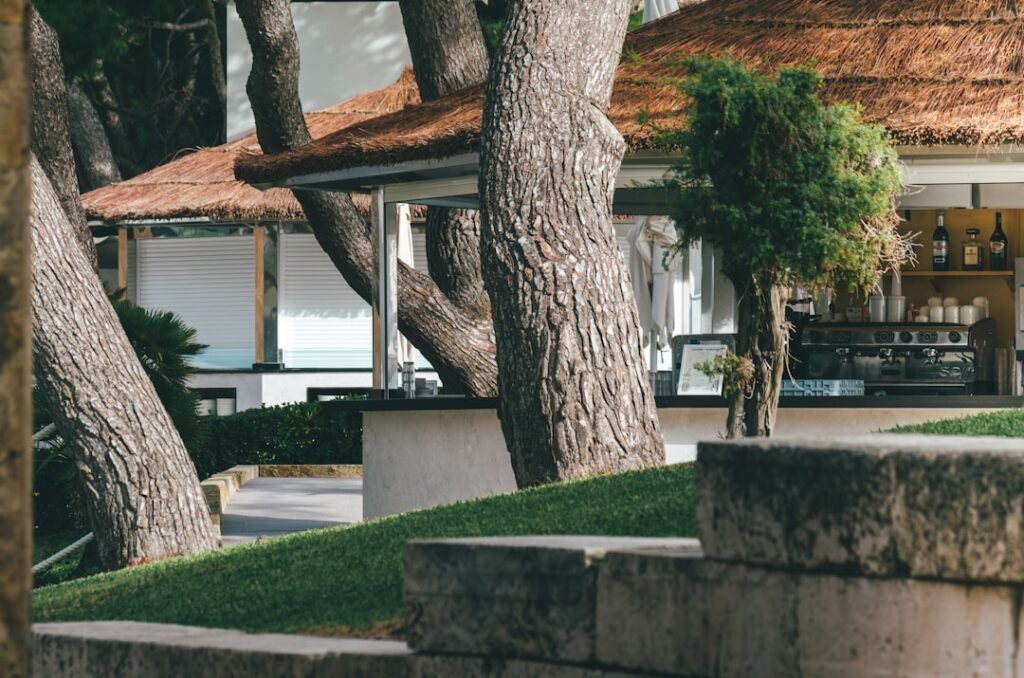
When embarking on the journey of creating your outdoor kitchen, the first step is to clearly define your needs and preferences. You should take a moment to envision how you plan to use this space. Are you an avid entertainer who dreams of hosting summer barbecues and family gatherings?
Or perhaps you envision a tranquil space for intimate dinners under the stars? Understanding your primary purpose will guide your decisions throughout the design process. Consider the types of meals you enjoy preparing outdoors, as well as the frequency of use.
This will help you determine the essential features and appliances that will best serve your culinary adventures. Additionally, think about the number of people you typically host. If you often have large gatherings, you may need a more expansive layout with multiple cooking stations and ample seating.
Conversely, if your outdoor kitchen will primarily serve small family meals, a more compact design may suffice. You should also consider the climate in your area, as this can influence your choice of appliances and materials. By taking the time to assess your needs, you can create an outdoor kitchen that not only meets your culinary desires but also enhances your lifestyle.
Key Takeaways
- Assess your cooking and entertaining needs to understand the requirements for your outdoor kitchen.
- Research and select appliances that are specifically designed for outdoor use and fit your cooking style.
- Consider the size of your outdoor space and the placement of appliances to optimize functionality and flow.
- Ensure proper ventilation and safety measures are in place to prevent accidents and maintain air quality.
- Hire a professional for installation to ensure appliances are properly set up and connected to utilities.
- Choose durable and weather-resistant materials for countertops, cabinets, and flooring to withstand outdoor elements.
- Incorporate functional design elements such as storage, lighting, and seating to enhance the usability of your outdoor kitchen.
- Regularly maintain and care for outdoor kitchen appliances to prolong their lifespan and ensure optimal performance.
Researching and Selecting the Right Appliances
Identifying Essential Appliances
Once you have a clear understanding of your outdoor kitchen needs, the next step is to research and select the right appliances. The market is flooded with options, from traditional grills to high-tech outdoor ovens, and it can be overwhelming to navigate through them all. Start by identifying the essential appliances that align with your cooking style.
Grills and Beyond
If grilling is your passion, investing in a high-quality grill should be at the top of your list. Consider whether you prefer gas, charcoal, or electric options, as each has its own unique benefits and flavor profiles. In addition to grills, think about other appliances that can enhance your outdoor cooking experience.
Additional Appliances to Consider
A pizza oven can be a fun addition for those who love homemade pizzas, while a refrigerator can keep beverages and ingredients close at hand. You might also want to consider side burners for sauces or side dishes, as well as sinks for easy cleanup. As you research, pay attention to energy efficiency ratings and user reviews to ensure that you are making informed choices.
By carefully selecting appliances that suit your cooking style and preferences, you can create a functional and enjoyable outdoor kitchen.
Considering Size and Placement
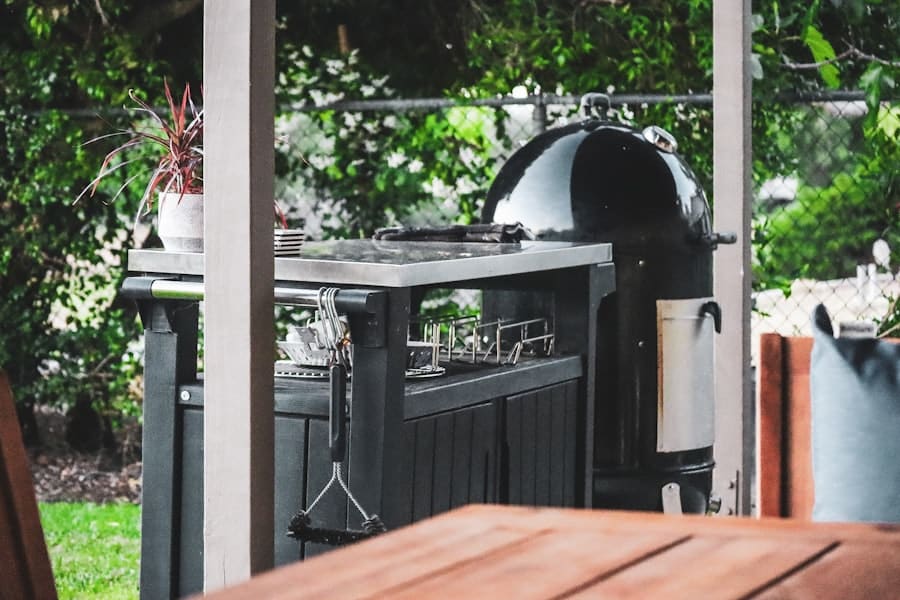
The size and placement of your outdoor kitchen are crucial factors that will impact both its functionality and aesthetic appeal. Before making any decisions, take the time to measure the available space in your yard or patio. You want to ensure that your outdoor kitchen fits comfortably within the area without feeling cramped or overwhelming.
Consider how much space you need for cooking, dining, and movement. A well-planned layout will allow for easy access to appliances and ample room for guests to mingle. Placement is equally important; think about how your outdoor kitchen will interact with other elements in your yard.
You may want to position it near your indoor kitchen for convenience or close to a dining area for easy serving. Additionally, consider factors such as sunlight exposure and wind direction when choosing a location. You might prefer a shaded spot for comfort during hot summer days or a location that offers a view of your garden or pool.
By thoughtfully considering size and placement, you can create an outdoor kitchen that is both functional and visually appealing.
Ensuring Proper Ventilation and Safety
As you design your outdoor kitchen, it’s essential to prioritize proper ventilation and safety measures. While outdoor kitchens are generally safer than indoor ones due to their open-air nature, there are still important considerations to keep in mind. Ensure that any cooking appliances are placed in a way that allows for adequate airflow.
This is particularly important for gas grills or cooktops, which can produce harmful fumes if not properly ventilated. Safety should also be at the forefront of your planning process. Make sure that there is enough space between cooking appliances and flammable materials such as wooden decks or patio furniture.
Installing fire extinguishers nearby is a wise precaution, as is ensuring that all electrical connections are weatherproofed and up to code. Additionally, consider incorporating non-slip surfaces around cooking areas to prevent accidents when things get busy. By taking these safety measures into account, you can enjoy peace of mind while cooking outdoors.
Hiring a Professional for Installation
While some homeowners may feel confident tackling an outdoor kitchen installation on their own, hiring a professional can save you time and ensure that everything is done correctly. Professionals bring expertise in design, installation, and local building codes, which can be invaluable when creating a functional outdoor kitchen. They can help you navigate complex plumbing or electrical work that may be required for certain appliances.
Moreover, professionals can offer insights into design elements that you may not have considered. They can help optimize the layout for efficiency and aesthetics while ensuring that all safety regulations are met. When selecting a contractor, be sure to check their credentials and reviews from previous clients.
A well-executed installation will not only enhance the functionality of your outdoor kitchen but also increase its longevity and value.
Choosing Durable and Weather-resistant Materials
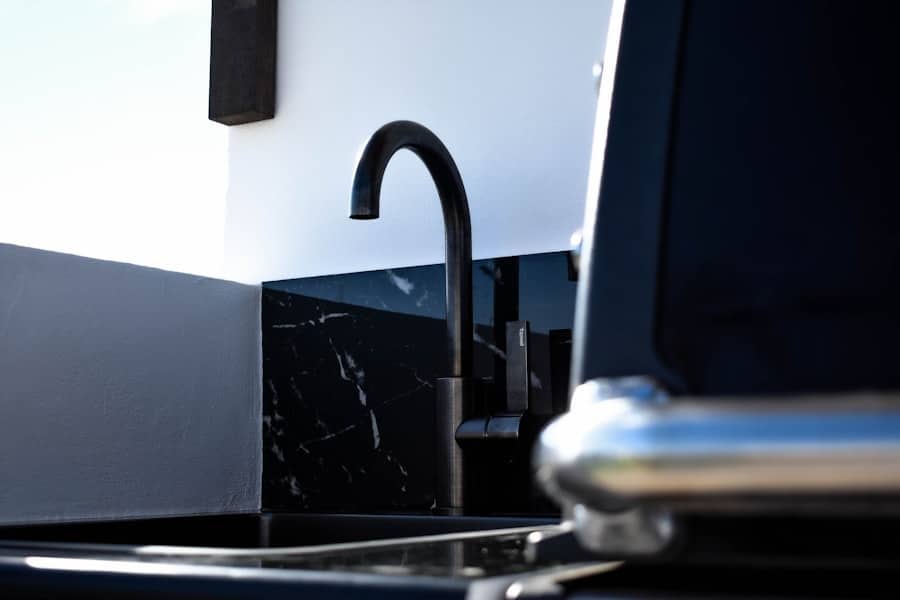
The materials you choose for your outdoor kitchen play a significant role in its durability and overall appearance. Since this space will be exposed to the elements year-round, it’s crucial to select materials that can withstand varying weather conditions without deteriorating over time. Stainless steel is a popular choice for appliances due to its resistance to rust and corrosion, making it ideal for outdoor use.
In addition to appliances, consider the materials used for countertops, cabinetry, and flooring. Natural stone or concrete countertops are excellent options due to their durability and resistance to heat and moisture. For cabinetry, look for weather-resistant materials such as marine-grade polymer or treated wood designed for outdoor use.
When it comes to flooring, choose slip-resistant tiles or pavers that can handle rain without becoming hazardous. By investing in high-quality materials, you can ensure that your outdoor kitchen remains beautiful and functional for years to come.
Incorporating Functional Design Elements
A well-designed outdoor kitchen goes beyond just appliances; it incorporates functional design elements that enhance usability and comfort. Consider adding features such as an island with bar seating, which can serve as both a prep area and a gathering spot for guests. This encourages social interaction while cooking and provides additional workspace for meal preparation.
You might also want to think about incorporating storage solutions into your design. Built-in cabinets or shelves can keep utensils, cookware, and other essentials organized and easily accessible. Additionally, consider adding lighting fixtures that illuminate cooking areas while creating an inviting ambiance for evening gatherings.
Thoughtful design elements not only improve functionality but also elevate the overall aesthetic of your outdoor kitchen.
Maintaining and Caring for Outdoor Kitchen Appliances
Once your outdoor kitchen is complete, ongoing maintenance is key to ensuring its longevity and performance. Regular cleaning of appliances is essential; grease buildup can not only affect performance but also pose safety risks. Make it a habit to clean grills after each use by scraping down grates and wiping surfaces with appropriate cleaners designed for outdoor equipment.
In addition to cleaning, seasonal maintenance checks are important for keeping everything in top shape. Inspect gas lines for leaks, check electrical connections, and ensure that all appliances are functioning properly before heavy use during peak seasons. Covering appliances when not in use can protect them from harsh weather conditions and prolong their lifespan.
By committing to regular maintenance and care, you can enjoy your outdoor kitchen for many years while keeping it looking its best. In conclusion, creating an outdoor kitchen involves careful planning and consideration of various factors from understanding your needs to selecting durable materials and ensuring safety measures are in place. By following these guidelines, you can design an outdoor cooking space that not only meets your culinary desires but also enhances your lifestyle and enjoyment of the great outdoors.
When it comes to choosing and installing outdoor kitchen appliances like smokers, pizza ovens, or outdoor bars, it’s important to consult with a professional contractor who specializes in outdoor living spaces. Better Home Contractor offers expert services in various locations, including Dallas, Texas, Muncie, Indiana, and Kent, Washington. Their team of experienced professionals can help you design and install the perfect outdoor kitchen setup for your home. For more information on their services, visit Better Home Contractor Dallas, Texas, Better Home Contractor Muncie, Indiana, or Better Home Contractor Kent, Washington.
FAQs
What are some factors to consider when choosing outdoor kitchen appliances like smokers, pizza ovens, or outdoor bars?
Some factors to consider when choosing outdoor kitchen appliances include the size of your outdoor space, your cooking preferences, the type of fuel you prefer (gas, charcoal, wood), and your budget.
What are some popular outdoor kitchen appliances to consider?
Some popular outdoor kitchen appliances to consider include smokers, pizza ovens, outdoor bars, grills, refrigerators, sinks, and storage cabinets.
How should outdoor kitchen appliances be installed?
Outdoor kitchen appliances should be installed according to the manufacturer’s instructions and local building codes. It’s important to consider factors such as proper ventilation, fuel sources, and electrical connections.
What are some tips for maintaining outdoor kitchen appliances?
Some tips for maintaining outdoor kitchen appliances include regularly cleaning and inspecting the appliances, covering them when not in use, and following the manufacturer’s recommended maintenance schedule.
What are some safety considerations when using outdoor kitchen appliances?
Some safety considerations when using outdoor kitchen appliances include keeping flammable materials away from heat sources, using appliances in well-ventilated areas, and following proper food safety guidelines when cooking.