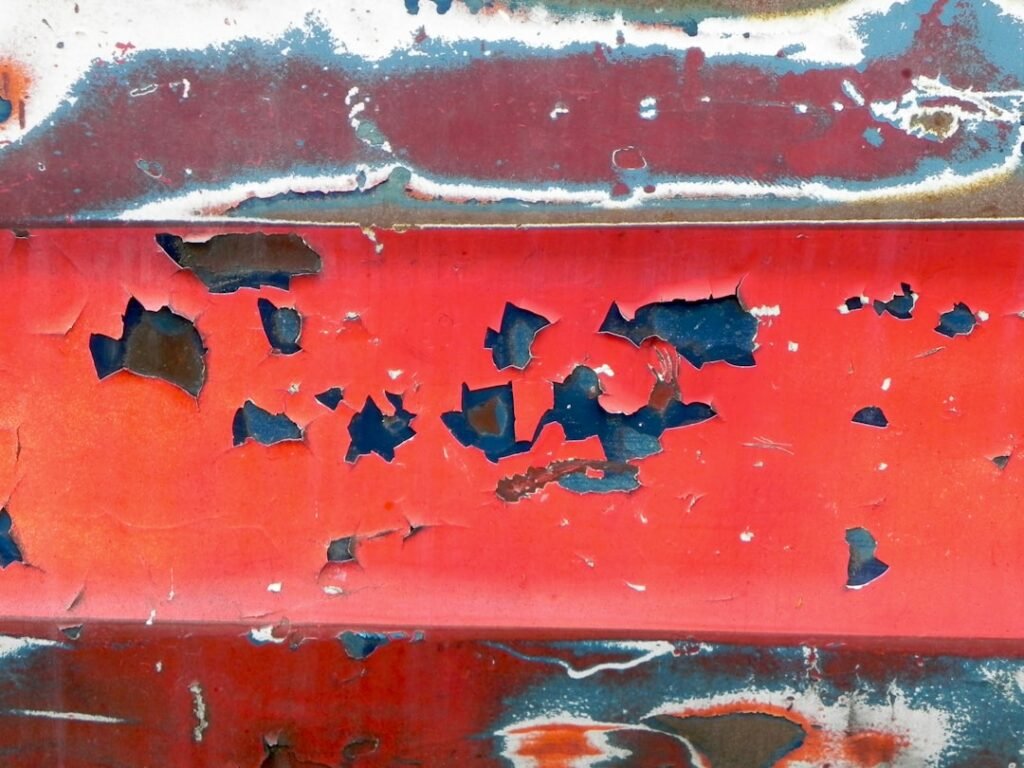
When you embark on a painting project, the excitement of transforming a space can sometimes lead to unintended messes. Understanding the different types of paint splatters and adhesive residue is crucial for effective cleanup. Paint splatters can be broadly categorized into water-based and oil-based types, each requiring distinct approaches for removal.
Water-based paints, such as acrylics and latex, are generally easier to clean up, as they can be diluted with water. However, they can still leave behind unsightly marks if not addressed promptly. On the other hand, oil-based paints tend to adhere more stubbornly to surfaces, making them more challenging to remove.
Adhesive residue, often left behind from tape or stickers, can also vary in its composition. Some adhesives are designed to be easily removable, while others may bond more permanently to surfaces. Understanding the nature of the adhesive is essential for selecting the right cleaning method.
By familiarizing yourself with these different types of paint and adhesive residues, you can better prepare for the cleanup process and minimize the risk of damaging your surfaces.
Key Takeaways
- Different types of paint splatters and adhesive residue require different cleaning methods
- Tools and materials like paint scrapers, solvents, and cleaning cloths are essential for effective cleanup
- Water-based paint splatters and adhesive residue can be removed with soap and water or a mild solvent
- Oil-based paint splatters and adhesive residue may require stronger solvents like mineral spirits or acetone
- Stubborn paint splatters and adhesive residue can be softened with heat or a commercial adhesive remover before scraping
- Prevent future splatters and residue by using drop cloths, masking tape, and being mindful during painting projects
- Safety precautions like wearing gloves, goggles, and working in a well-ventilated area are important during cleanup
- Seek professional help if the paint splatters and adhesive residue are difficult to remove or if you are unsure about the cleaning process
Tools and materials needed for effective cleanup
To tackle paint splatters and adhesive residue effectively, you’ll need a selection of tools and materials at your disposal. First and foremost, gather cleaning cloths or paper towels, as these will be your primary means of wiping away messes. Microfiber cloths are particularly effective due to their ability to trap dirt and paint particles without scratching surfaces.
Additionally, a bucket filled with warm soapy water can be invaluable for water-based paint cleanup. Dish soap is often sufficient for this purpose. For more stubborn residues, you may want to include a few specialized cleaning agents in your toolkit.
Rubbing alcohol or acetone can be effective for removing oil-based paints and adhesives, while a commercial adhesive remover can help tackle particularly tough spots. A putty knife or plastic scraper can also be useful for gently lifting dried paint or adhesive without damaging the underlying surface. By assembling these tools and materials ahead of time, you’ll be well-prepared to address any mess that arises during your painting project.
Removing water-based paint splatters and adhesive residue

When it comes to cleaning up water-based paint splatters, acting quickly is key. Begin by dampening a cloth with warm soapy water and gently blot the affected area. Avoid rubbing vigorously, as this can spread the paint further or damage the surface beneath.
Instead, focus on lifting the paint away from the surface by dabbing at it. If the splatter is fresh, you may find that it comes off easily with just soap and water. For adhesive residue left behind by tape or stickers, a similar approach can be taken.
Dampen a cloth with warm soapy water and apply it to the residue for a few minutes to soften it. Once it has had time to soak, use a gentle scraping motion with your fingernail or a plastic scraper to lift the adhesive away. If soap and water don’t do the trick, consider using rubbing alcohol on a cloth to break down the adhesive further.
This method is often effective without causing damage to most surfaces.
Addressing oil-based paint splatters and adhesive residue
Oil-based paints present a greater challenge when it comes to cleanup, but with the right approach, you can effectively remove them from your surfaces. Start by using a cloth soaked in mineral spirits or paint thinner. Gently dab at the paint splatter, allowing the solvent to penetrate and dissolve the paint.
Be patient; it may take several applications to fully lift the paint away. Always remember to work in a well-ventilated area when using these solvents, as their fumes can be harmful. For adhesive residue from oil-based products, you’ll want to take a similar approach.
Apply a small amount of rubbing alcohol or an adhesive remover directly onto the residue and let it sit for a few minutes. This will help break down the bond between the adhesive and the surface. Afterward, use a cloth or scraper to gently lift away the residue.
If necessary, repeat this process until all traces of the adhesive are gone. With persistence and the right materials, you can restore your surfaces to their original condition.
Dealing with dried or stubborn paint splatters and adhesive residue
Dried or stubborn paint splatters can be particularly frustrating, but there are effective strategies for tackling them. Begin by softening the dried paint with heat; a hairdryer set on low can work wonders in this regard. Hold it a few inches away from the surface and move it back and forth over the splatter until you notice it beginning to soften.
Once softened, use a plastic scraper or putty knife to gently lift away the paint without scratching the underlying surface. For stubborn adhesive residue that refuses to budge, consider using a commercial adhesive remover designed for tough jobs. Apply it according to the manufacturer’s instructions and allow it to sit for the recommended time before attempting to scrape or wipe away the residue.
In some cases, multiple applications may be necessary to fully remove all traces of the adhesive. Patience is key here; rushing through this process can lead to damage or incomplete removal.
Tips for preventing future paint splatters and adhesive residue

Prevention is always better than cure when it comes to paint splatters and adhesive residue. One effective strategy is to use painter’s tape strategically around edges and corners where you’re working. This not only helps create clean lines but also minimizes the risk of accidental splatters on adjacent surfaces.
Additionally, consider using drop cloths or plastic sheeting to cover floors and furniture in your workspace; this will catch any drips or spills before they have a chance to adhere. Another helpful tip is to take your time during painting projects. Rushing can lead to careless mistakes that result in unwanted messes.
By working methodically and being mindful of your movements, you can significantly reduce the likelihood of splatters occurring in the first place. Finally, always keep cleaning supplies handy while you work; addressing small spills immediately can prevent them from becoming larger issues later on.
Safety precautions during cleanup
Safety should always be a priority when dealing with paint splatters and adhesive residues. When using solvents like mineral spirits or acetone, ensure that you are working in a well-ventilated area to avoid inhaling harmful fumes. Wearing gloves is also advisable; this protects your skin from irritation caused by chemicals in these products.
If you’re working with particularly stubborn residues that require heavy-duty cleaners, consider wearing safety goggles to shield your eyes from splashes. Additionally, be cautious when using sharp tools like scrapers or putty knives during cleanup. Always angle them away from your body and use gentle pressure to avoid injury.
If you’re unsure about how a particular cleaning agent will react with your surface materials, test it on an inconspicuous area first before proceeding with larger sections. By taking these safety precautions seriously, you can ensure that your cleanup process is both effective and safe.
Seeking professional help for difficult paint splatters and adhesive residue
In some cases, despite your best efforts, you may find that certain paint splatters or adhesive residues are simply too stubborn to remove on your own. When faced with such challenges, seeking professional help can be a wise decision. Professional cleaners have access to specialized tools and products that can effectively tackle even the most difficult messes without risking damage to your surfaces.
Before hiring a professional service, do some research to find reputable companies in your area that specialize in cleaning services related to paint removal or surface restoration. Reading reviews and asking for recommendations from friends or family can help you make an informed choice. While it may involve an additional cost, enlisting professional assistance can save you time and frustration in dealing with particularly challenging cleanup tasks.
In conclusion, understanding how to effectively clean up paint splatters and adhesive residue is essential for maintaining your home’s surfaces during any painting project. By familiarizing yourself with different types of paints and adhesives, gathering necessary tools, and employing proper techniques for removal, you can tackle these messes with confidence. Remember that prevention is key; taking steps to minimize splatters in the first place will save you time in cleanup later on.
Always prioritize safety during your cleanup efforts, and don’t hesitate to seek professional help if needed—your surfaces will thank you!
If you are looking for more tips on home improvement and maintenance, check out this article on Better Home Contractor in Fort Worth, Texas. They offer valuable insights on various topics related to keeping your home in top condition.
FAQs
What are some common methods for removing paint splatters and adhesive residue during cleanup?
Some common methods for removing paint splatters and adhesive residue during cleanup include using a scraper or putty knife to gently remove the residue, applying a solvent or adhesive remover, using a heat gun to soften the residue, and using a commercial paint remover.
What safety precautions should I take when removing paint splatters and adhesive residue?
When removing paint splatters and adhesive residue, it is important to wear protective gloves, safety goggles, and a mask to protect yourself from any harmful chemicals or fumes. Adequate ventilation should also be ensured when using solvents or paint removers.
What are some environmentally friendly options for removing paint splatters and adhesive residue?
Some environmentally friendly options for removing paint splatters and adhesive residue include using natural solvents such as vinegar or citrus-based cleaners, using a heat gun instead of chemical solvents, and choosing biodegradable and non-toxic paint removers.
How can I prevent paint splatters and adhesive residue during a painting project?
To prevent paint splatters and adhesive residue during a painting project, it is important to use painter’s tape to protect surfaces, cover floors and furniture with drop cloths, and use a steady hand when painting to minimize splatters. Additionally, using low-tack or delicate surface painter’s tape can help prevent adhesive residue.