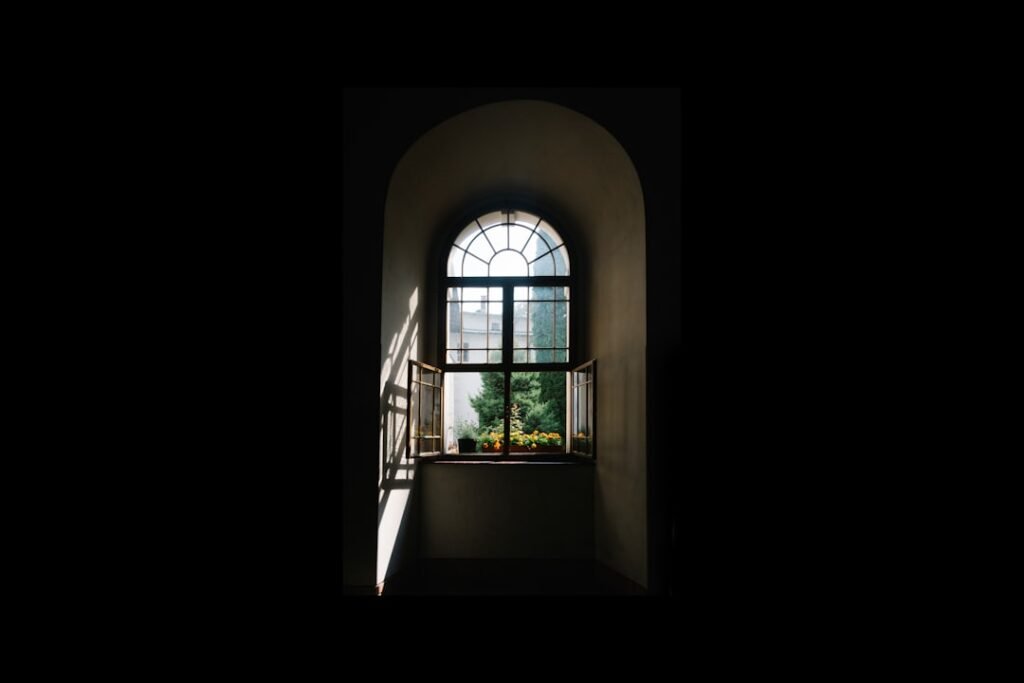
Proper air circulation is a fundamental aspect of maintaining a healthy living environment, especially after a renovation. When you undertake a renovation project, various materials such as paints, adhesives, and construction dust can release volatile organic compounds (VOCs) and other pollutants into the air. These substances can linger long after the work is completed, potentially leading to health issues for you and your family.
By ensuring adequate air circulation, you can significantly reduce the concentration of these harmful particles, promoting a safer and more comfortable atmosphere in your home. Moreover, good air circulation helps regulate temperature and humidity levels within your living space. Stagnant air can lead to an increase in moisture, which may foster the growth of mold and mildew.
This not only poses health risks but can also damage your property over time. By prioritizing proper air circulation, you create a balanced environment that minimizes these risks, ensuring that your home remains a safe haven for you and your loved ones.
Key Takeaways
- Proper air circulation is important for maintaining a healthy and comfortable indoor environment.
- Steps to air out a house after renovation include opening windows and doors, using fans, and utilizing natural ventilation.
- Safety precautions to consider when airing out a house after renovation include checking for gas leaks and wearing protective gear.
- Tools and equipment needed for proper air circulation include fans, dehumidifiers, and air purifiers.
- Tips for maximizing airflow include positioning fans strategically, using cross-ventilation, and keeping air vents unobstructed.
Steps to Air Out a House After Renovation
To effectively air out your house after a renovation, start by opening all windows and doors to create cross-ventilation. This simple step allows fresh air to flow through your home while pushing out stale air laden with dust and fumes. If weather permits, keep these openings ajar for several hours each day until the air quality improves.
You might find it beneficial to use fans strategically placed near windows to enhance airflow, drawing in fresh air while expelling the old. Next, consider using exhaust fans in areas like kitchens and bathrooms where moisture tends to accumulate. These fans can help remove excess humidity and odors that may linger after renovations.
Additionally, running an air purifier equipped with HEPA filters can capture fine particles and allergens that may have settled during the renovation process. This combination of natural ventilation and mechanical assistance will help ensure that your home is thoroughly aired out.
Safety Precautions to Consider
When airing out your house after renovations, safety should always be a priority. First and foremost, ensure that any hazardous materials used during the renovation are properly disposed of. Items such as old paint cans, solvents, or construction debris should be handled with care and disposed of according to local regulations.
Wearing gloves and masks while handling these materials can protect you from potential exposure to harmful substances. Additionally, be mindful of the weather conditions when ventilating your home. If outdoor air quality is poor due to pollution or allergens, it may be wise to limit the amount of time windows are open.
Instead, focus on using air purifiers or dehumidifiers to maintain a healthy indoor environment. Always keep an eye on children and pets during this process, ensuring they are not exposed to any lingering fumes or hazardous materials.
Tools and Equipment Needed for Proper Air Circulation
To achieve optimal air circulation in your home post-renovation, certain tools and equipment can be invaluable. First on the list is a high-quality fan or multiple fans that can be strategically placed throughout your home. Box fans or oscillating fans can help create airflow in rooms that may not receive adequate ventilation from open windows alone.
Consider investing in fans with adjustable speeds to customize airflow based on your needs. Another essential tool is an air purifier equipped with HEPA filters. These devices are designed to capture airborne particles, including dust, pollen, and VOCs released during renovations.
Look for models with activated carbon filters as well, which can help neutralize odors from paints and other materials. Additionally, a hygrometer can be useful for monitoring humidity levels in your home, allowing you to take action if moisture levels become too high.
Tips for Maximizing Airflow
Maximizing airflow in your home requires a combination of strategic planning and practical adjustments. One effective method is to create a cross-ventilation system by opening windows on opposite sides of your house. This allows fresh air to flow through while pushing out stale air more efficiently.
If possible, open windows on higher floors to allow hot air to escape while cooler air enters from lower levels. In addition to window placement, consider rearranging furniture to avoid blocking vents or airflow pathways. Heavy furniture can obstruct the natural flow of air, leading to stagnant areas in your home.
By keeping furniture away from vents and ensuring that there are clear pathways for air movement, you can enhance overall circulation. Lastly, regularly changing or cleaning HVAC filters will ensure that your heating and cooling systems operate efficiently, further improving airflow throughout your home.
Common Mistakes to Avoid
When attempting to air out your house after renovations, there are several common mistakes you should avoid to ensure the best results. One major pitfall is neglecting to ventilate all areas of your home equally. It’s easy to focus on the most recently renovated spaces while overlooking others that may also harbor dust or fumes.
Make it a point to ventilate every room thoroughly, even those that may not have undergone significant changes. Another mistake is failing to monitor indoor air quality during the airing-out process. Relying solely on open windows without considering outdoor conditions can lead to bringing in more pollutants than you’re expelling.
Always check local air quality reports before opening windows wide; if outdoor conditions are poor, it may be better to rely on mechanical ventilation methods instead.
Benefits of Properly Airing Out a Renovated House
The benefits of properly airing out a renovated house extend beyond immediate comfort; they contribute significantly to long-term health and well-being. By effectively removing harmful particles and VOCs from the air, you reduce the risk of respiratory issues and other health problems associated with poor indoor air quality. This is particularly important for vulnerable populations such as children, the elderly, or individuals with pre-existing health conditions.
Additionally, airing out your home can enhance overall comfort levels by regulating temperature and humidity. A well-ventilated space feels fresher and more inviting, making it easier for you and your family to enjoy your newly renovated environment. Furthermore, maintaining good air quality can prolong the life of your furnishings and finishes by preventing moisture buildup that could lead to mold or deterioration.
Maintaining Air Quality After Renovation
Once you’ve successfully aired out your home after renovations, it’s essential to maintain that improved air quality over time. Regular cleaning is key; dust and allergens can accumulate quickly in any home, so establish a routine that includes vacuuming with a HEPA filter vacuum cleaner and dusting surfaces frequently. Pay special attention to areas where dust tends to settle, such as baseboards and corners.
In addition to regular cleaning, consider implementing a schedule for changing HVAC filters every few months. This simple task ensures that your heating and cooling systems continue to operate efficiently while filtering out airborne particles effectively. Finally, keep an eye on humidity levels within your home; using dehumidifiers in damp areas can help prevent mold growth and maintain a comfortable living environment year-round.
By following these guidelines for proper air circulation after renovations, you not only enhance the immediate comfort of your living space but also invest in the long-term health of your household. With careful planning and attention to detail, you can create an inviting atmosphere that supports well-being for years to come.
If you are looking for professional contractors to help with your home renovation project, consider checking out Better Home Contractor in Springdale, Arkansas. Their team of experts can assist you with everything from planning and design to construction and finishing touches. With their help, you can ensure that your home renovation project is a success.
FAQs
What is the purpose of airing a house after renovation?
Airing a house after renovation helps to remove any lingering dust, fumes, and odors from the renovation process. It also helps to improve indoor air quality and create a healthier living environment.
How long should you air out a house after renovation?
The duration for airing out a house after renovation can vary depending on the extent of the renovation and the materials used. In general, it is recommended to air out the house for at least 48-72 hours to ensure that the air is fresh and any fumes have dissipated.
What are some effective methods for airing out a house after renovation?
Effective methods for airing out a house after renovation include opening windows and doors to create cross ventilation, using fans to circulate air, using air purifiers to filter out particles and odors, and utilizing natural ventilation by opening windows during times of the day when outdoor air is freshest.
Are there any precautions to take when airing out a house after renovation?
It is important to consider the weather conditions when airing out a house after renovation. Avoid airing out the house during periods of high humidity, heavy pollution, or extreme temperatures. Additionally, ensure that the house is secure while windows and doors are open to prevent unauthorized access.