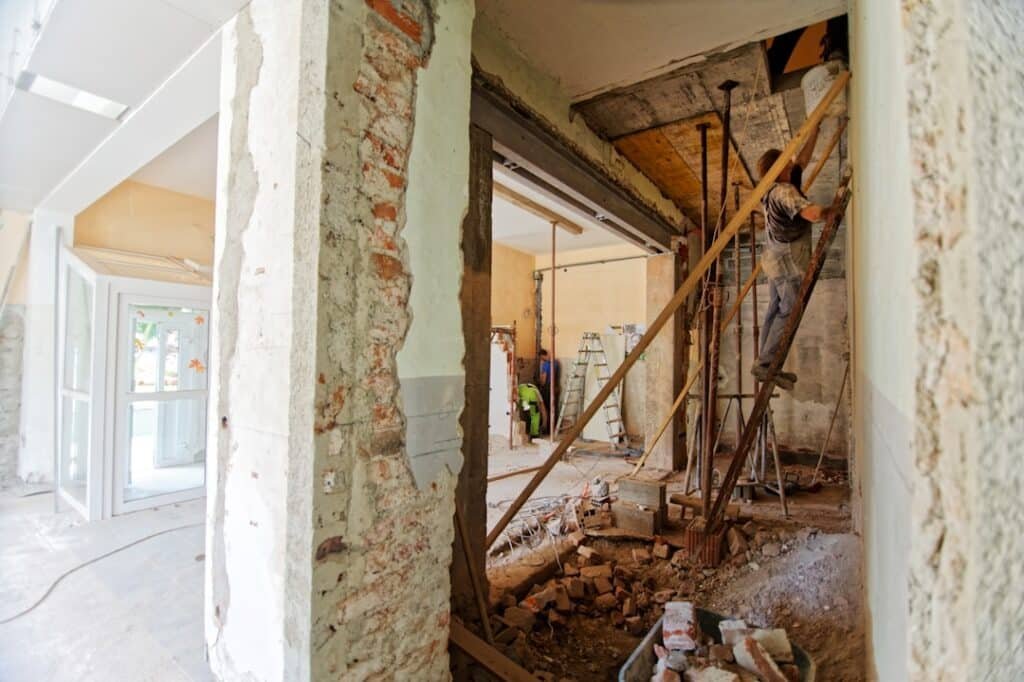
You stand on the porch, your hand resting on the weathered wood. The house whispers stories of generations past, a testament to the enduring spirit of McKinney, Texas. Its charm is undeniable, a siren song of history beckoning you to preserve its legacy. Yet, the realities of modern living – evolving comfort expectations, energy efficiency demands, and the desire for updated functionalities – present a compelling counterpoint. You’re faced with the intricate dance of blending the venerable with the vibrant, a renovation that honors the soul of your historic home while infusing it with the pulse of contemporary life. This is where modern renovation for historic homes in McKinney, Texas, truly shines, offering a pathway to a revitalized dwelling that is both a sanctuary of the past and a beacon for the future.
Renovating a historic home is not akin to a blank canvas; rather, it’s like navigating a well-trodden river, with established currents and established banks. In McKinney, the preservation of its rich architectural heritage is a priority, and this translates into specific guidelines and considerations for any work undertaken on historically designated or contributing properties. Understanding these regulations upfront is crucial, as they act as the compass guiding your renovation journey, preventing potential pitfalls and ensuring your efforts align with the city’s commitment to safeguarding its history.
Understanding Historic Designations
The first step in your renovation endeavor is to ascertain the historical designation of your property. This is not a mere academic exercise; it directly impacts the scope of your allowed alterations.
Local Historic Landmark Designation
When your home is officially designated as a local historic landmark by the City of McKinney, it signifies a heightened level of recognition and protection. This designation often comes with specific design guidelines established by a local historic commission or board. Adherence to these guidelines is paramount for maintaining the historical integrity of the property. You will likely encounter requirements regarding architectural styles, materials, and the general appearance of the building’s exterior.
National Register of Historic Places Significance
Your property might be listed on the National Register of Historic Places, either individually or as part of a historic district. While this is a prestigious honor, it’s important to understand that National Register listing, by itself, does not carry federal regulatory authority over private property. However, the criteria for listing – significance in history, architecture, archaeology, engineering, or culture – provide a framework for understanding what makes your home historically valuable. If your property is in a National Register historic district, local ordinances often mirror or are inspired by the National Register’s preservation goals.
Unofficial Contributing Properties
Even homes not formally designated can be deemed “contributing” to a historic district or recognized for their historical character. In such cases, while formal regulations might be less stringent than for designated landmarks, a sensitive approach to renovation is still advisable and often expected within the community to maintain the overall historic ambiance of your neighborhood. Local real estate markets may also place a premium on historically intact homes, making thoughtful preservation a wise investment.
The Role of Historic Review Boards
For designated historic properties, engaging with the relevant historic review board (often part of the City of McKinney’s Planning Department or a dedicated Historic Preservation Commission) is not an optional step; it is a mandatory part of the process. These boards are the custodians of McKinney’s history, tasked with ensuring that renovations respect the original character of historic buildings.
Submitting Plans for Approval
Before you break ground, your renovation plans will need to be meticulously reviewed and approved by the historic review board. This process can be likened to presenting a careful argument to a panel of experts; you need to demonstrate how your proposed changes will harmonize with, rather than detract from, the historic fabric of your home.
Design Guidelines and Standards
McKinney, like many historic preservation-minded communities, typically has a set of design guidelines. These are not rigid blueprints but rather principles intended to guide your decisions. They may address specifics like window replacements (requiring replication of original profiles and materials), rooflines, porch alterations, and the appropriate use of historically compatible materials. You’ll need to understand these guidelines as intimately as you understand your own home’s floor plan.
Material Compatibility and Replication
A key focus of historic review is material compatibility. Replacing original wood windows with vinyl, for instance, is often discouraged or prohibited. The board will want to see evidence that you are using materials that are either historically accurate or so closely mimic the originals in appearance and performance that the difference is imperceptible.
For those interested in the intersection of contemporary design and historical preservation, a related article that delves into innovative renovation techniques can be found at Better Home Contractor in Davis, California. This resource provides valuable insights into how homeowners can successfully modernize their historic properties while maintaining their unique charm and character, making it a perfect complement to the discussions surrounding modern renovations for historic homes in McKinney, TX.
Integrating Modern Comforts: The Art of Subtlety
The desire for modern amenities – think central air conditioning, updated plumbing, and enhanced electrical systems – is entirely valid. The art of renovating a historic home lies in integrating these conveniences discreetly, ensuring they become silent partners in your home’s comfort rather than jarring intruders upon its historical character.
Energy Efficiency Upgrades
Historic homes, with their often single-pane windows and less insulated walls, can be energy hogs. Modern renovations offer opportunities to dramatically improve their efficiency without sacrificing aesthetics.
Window and Door Improvements
Replacing all original windows might be a non-starter from a historic perspective. However, there are often solutions that bridge the gap.
Storm Windows: A Traditional Solution
High-quality, exterior storm windows can provide a significant thermal barrier and noise reduction, much like a second skin for your existing windows. These can be designed to be visually unobtrusive and are a widely accepted method of improving energy efficiency for historic homes.
Insulated Glazing Units within Historic Frames
In some cases, and with careful consideration and approval, it may be possible to retrofit existing historic window frames with modern, insulated glazing units. This requires specialized craftsmanship to maintain the original sightlines and profiles.
Historically Accurate Replacement Windows
If replacement is unavoidable, invest in custom-made windows that precisely replicate the proportions, profiles, sash types, and glazing patterns of the originals. This is an investment in both your home’s historical accuracy and its long-term value.
Insulation Strategies
Adding insulation to historic homes requires a nuanced approach to avoid trapping moisture, which can damage the original building materials.
Cavity Wall Insulation
For brick homes with cavity walls, blown-in cellulose or mineral wool insulation can be introduced into the wall cavity without disturbing the interior or exterior finishes.
Attic and Basement Insulation
These are often the most straightforward areas to upgrade insulation. Ensuring a well-sealed and properly insulated attic and a conditioned or at least well-insulated basement can make a significant difference in comfort and energy bills.
Insulating Underneath Historic Flooring
In some instances, it may be possible to carefully lift and re-lay historic flooring to add a layer of rigid foam insulation beneath, but this is a labor-intensive process and requires extreme care.
HVAC System Integration
Modern heating, ventilation, and air conditioning (HVAC) systems are essential for comfort, but their ductwork and units can present a challenge in older homes.
Ductwork Concealment
The goal is to make ductwork as invisible as possible. This often involves strategic placement in attics, crawl spaces, closets, or within new or modified soffits, designed to blend seamlessly with existing architectural elements.
High-Velocity/Small-Duct Systems
These systems are designed with much smaller ducts than traditional HVAC, making them easier to conceal within walls and ceilings without extensive structural modifications. They are a popular choice for historic homes seeking efficient climate control.
Mini-Split Systems
Ductless mini-split systems offer zoned heating and cooling and require only a small conduit to connect the indoor and outdoor units. This minimizes the impact on interior finishes and is often a good solution for individual rooms or additions.
Plumbing and Electrical Modernization
Updating these vital systems is not only about convenience but also about safety and future-proofing your home.
Discreet Wiring and Piping
Modern electrical wiring and plumbing pipes can be routed through existing chases, attics, and basements. When new runs are necessary, careful planning can ensure they are concealed within walls or behind newly installed finishes that are compatible with the home’s historic character.
Vintage-Style Fixtures with Modern Internals
You can achieve the look of historic plumbing and electrical fixtures while benefiting from modern functionality. Many manufacturers offer reproductions of vintage faucets, lighting, and outlets that contain updated mechanisms for better performance and water efficiency.
Material Selection: The Foundation of Authenticity

The materials you choose for your renovation are the threads that weave the new into the old. In McKinney’s historic homes, the original materials tell a story, and your renovation should honor that narrative, using new materials that either echo the past or are so discreet they become part of the background hum.
Replicating Original Finishes and Details
The subtle nuances of a home’s original finishes are what give it its unique character.
Woodwork and Trim
Original hardwood floors, baseboards, crown molding, and door casings are often irreplaceable. Professionals can meticulously repair, restore, or replicate these elements using historically accurate wood species and profiles.
Plaster and Lath Walls
Many historic homes feature beautiful plaster and lath walls. While drywall is a common modern material, preserving or replicating plaster provides a depth and texture that is distinct. Repairing damaged plaster or applying new plaster over a compatible substrate can maintain this aesthetic.
Roofing Materials
The type of roofing material on your home contributes significantly to its historical appearance.
Wood Shingles and Shakes
If your home originally featured wood shingles or shakes, replicating them with similar wood species (like cedar) and installation techniques can maintain historical accuracy.
Slate Roofing
For higher-end or certain architectural styles, slate roofing is a durable and historically appropriate choice that can also be a wise long-term investment.
Incorporating Historically Compatible New Materials
When new materials are introduced, their integration should be seamless.
Brick and Masonry
If your home is brick, any necessary repairs or extensions should utilize bricks that closely match the original in size, color, and texture. Mortar color and joint style are also critical considerations.
Stone Elements
If your home has stone features, such as a foundation or accent walls, sourcing similar types of stone and employing masonry techniques that mimic the original construction are important for maintaining visual continuity.
Period-Appropriate Windows and Doors
As discussed earlier, the choice of windows and doors is paramount. For historically significant homes, custom-made, historically accurate replacements are often the best approach.
Preserving Architectural Features: The Home’s Soul

Certain architectural elements are the very heart of your historic home’s identity. They are the distinguishing features that set it apart and connect it to its past. Your renovation should prioritize their preservation and, where necessary, their sensitive restoration.
Porches and Verandas: Welcoming Gestures
Porches are often central to the appeal of historic McKinney homes, serving as transitions between the public and private realms.
Structural Repairs and Restoration
Ensuring the structural integrity of your porch is vital. This may involve repairing or replacing rotted wood, reinforcing columns, and ensuring proper drainage to prevent future damage.
Railing and Baluster Replication
The style of porch railings and balusters can be highly characteristic of a specific architectural period. Careful study and replication of these elements are often required for historic renovations.
Original Flooring Preservation
Preserving or meticulously restoring the original porch flooring, whether it be wood decking or historic tile, maintains a key visual element.
Decorative Elements: The Flourishes of History
These are the details that give a historic home its personality and charm.
Gingerbread Trim and Millwork
Many Victorian and other period homes feature intricate decorative millwork, often referred to as “gingerbread.” Restoring or replicating these delicate details requires specialized craftsmanship and a keen eye for historical accuracy.
Window Treatments and Dormers
Original window hoods, decorative sills, and dormer designs are integral to the home’s façade. Their preservation or faithful recreation is essential.
Eaves, Brackets, and Cornices
The detailing along the roofline of a historic home contributes significantly to its overall aesthetic. Repairing or restoring these elements requires attention to their original form and craftsmanship.
If you’re considering a modern renovation for historic homes in McKinney, TX, you might find it insightful to explore the challenges and triumphs involved in preserving authenticity during restoration projects. A related article discusses these aspects in detail, highlighting the delicate balance between maintaining historical integrity and incorporating modern conveniences. You can read more about it in this informative piece. This resource can provide valuable insights as you embark on your renovation journey.
Beyond the Façade: Structural and Foundation Modernization
| Metric | Details |
|---|---|
| Average Renovation Time | 4 to 6 months |
| Common Renovation Features | Energy-efficient windows, updated HVAC, modern kitchens, restored woodwork |
| Typical Home Size | 1,800 to 3,000 sq ft |
| Historic Home Age Range | 50 to 100+ years |
| Popular Architectural Styles | Victorian, Craftsman, Colonial Revival |
| Permit Approval Time | 2 to 4 weeks |
| Energy Efficiency Improvement | Up to 30% reduction in utility costs |
| Local Contractor Experience | 10+ years specializing in historic renovations |
While the exterior often captures the immediate visual impact of a historic home, the underlying structure and foundation are the silent guardians of its longevity. Modernization in these areas is crucial for ensuring the home is sound and safe for decades to come.
Addressing Foundation Issues
Historic foundations, whether made of stone, brick, or early concrete, can develop issues over time due to settling, water infiltration, or age.
Foundation Inspections and Stabilization
A thorough inspection by a structural engineer experienced in historic homes is the first step. They can identify problems like cracking, bowing walls, or uneven settling. Depending on the severity, stabilization techniques might involve underpinning, reinforcing, or even partial reconstruction using historically appropriate materials.
Waterproofing and Drainage Solutions
Preventing water from compromising the foundation is paramount. Modern waterproofing membranes, French drains, and proper grading around the perimeter can protect the foundation from moisture damage, which is a common culprit in the deterioration of historic structures.
Structural Reinforcements and Updates
The structural elements of a historic home – its joists, beams, and framing – have borne the weight of time. Updates may be necessary to meet modern building codes and accommodate new loads.
Floor Joist Reinforcement
Older homes may have undersized or weakened floor joists. Reinforcing these with modern steel supports or sistering new lumber to existing joists can improve structural stability and reduce floor sagging.
Beam and Column Upgrades
If structural modifications are made, or if existing beams show signs of weakness, upgrades to beams and columns might be necessary. These should be designed to bear the required loads while being as unobtrusively integrated as possible.
Chimney Repair and Reinforcement
Many historic homes feature prominent brick chimneys. These are subject to weathering and can develop structural weaknesses. Repointing mortar, repairing damaged brickwork, and ensuring the chimney’s structural stability are crucial for both safety and historical appearance.
Your historic home in McKinney, Texas, is a treasure waiting to be reimagined. By approaching its renovation with a deep understanding of its past, a commitment to sensitive integration of modern comforts, and a discerning eye for material selection and structural integrity, you can transform it into a vibrant and enduring testament to both history and contemporary living. The journey might be intricate, but the reward – a beautifully revitalized home that harmonizes with its storied past and embraces the future – is immeasurable.
FAQs
What is a modern renovation for historic homes in McKinney, TX?
A modern renovation for historic homes in McKinney, TX involves updating and improving older properties while preserving their original architectural features and historical significance. This can include upgrading electrical and plumbing systems, adding energy-efficient elements, and incorporating contemporary design touches that complement the home’s historic character.
Are there any regulations for renovating historic homes in McKinney, TX?
Yes, renovations on historic homes in McKinney, TX may be subject to local preservation guidelines and regulations. Homeowners often need to obtain permits and ensure that changes comply with standards set by historic preservation boards or local government to maintain the home’s historical integrity.
What are common challenges when renovating historic homes in McKinney?
Common challenges include dealing with outdated infrastructure, such as old wiring and plumbing, ensuring structural stability, meeting modern building codes, and balancing the preservation of original features with the need for modern amenities. Additionally, sourcing period-appropriate materials can be difficult and costly.
How can modern renovations improve energy efficiency in historic homes?
Modern renovations can improve energy efficiency by installing insulation, energy-efficient windows, and HVAC systems that meet current standards. Careful planning ensures these upgrades do not compromise the home’s historic appearance while reducing energy costs and environmental impact.
Where can homeowners find professionals experienced in historic home renovations in McKinney, TX?
Homeowners can find experienced professionals through local historic preservation societies, architectural firms specializing in historic properties, and contractors with a portfolio of historic home renovations. The City of McKinney’s planning department may also provide resources and recommendations.