When you embark on the journey of creating an outdoor kitchen, the first step is to assess your space and needs. Take a moment to evaluate your outdoor area. Is it spacious enough to accommodate a full kitchen setup, or do you need to work with a more compact design?
Consider the layout of your yard, the proximity to your home, and how you envision using the space. Will it be a hub for family gatherings, a place for entertaining friends, or simply a personal retreat for culinary exploration? Understanding your primary purpose will guide your decisions as you move forward.
Next, think about the specific features you want in your outdoor kitchen. Do you dream of a built-in grill, a pizza oven, or perhaps a bar area for mixing cocktails? Make a list of must-have appliances and amenities that will enhance your cooking experience.
Additionally, consider the climate in your area. If you live in a region with harsh winters or intense summers, you may need to incorporate elements that provide shelter or shade. By carefully assessing your space and needs, you can create a functional and enjoyable outdoor kitchen that meets your lifestyle requirements.
Key Takeaways
- Assess your outdoor space and consider your needs before designing your outdoor kitchen
- Choose durable appliances and materials that can withstand outdoor elements
- Design the layout and flow of your outdoor kitchen for efficiency and convenience
- Consider lighting and shade options to create a comfortable outdoor cooking and dining space
- Incorporate plenty of storage and organization solutions to keep your outdoor kitchen tidy and functional
- Select the perfect finishing touches, such as outdoor furniture and decor, to complete the look of your outdoor kitchen
- Create a seamless transition to the outdoors by integrating your outdoor kitchen with the rest of your outdoor living space
- Maintain and enjoy your outdoor kitchen by keeping it clean and well-maintained for years of use
Choosing the Right Appliances and Materials
Once you have a clear understanding of your space and needs, it’s time to choose the right appliances and materials for your outdoor kitchen. The selection of appliances is crucial, as they will determine how effectively you can cook and entertain outdoors. Opt for high-quality grills that can withstand the elements, as well as side burners for additional cooking options.
If you enjoy baking, consider adding a pizza oven or a smoker to expand your culinary repertoire. Remember that durability is key; stainless steel appliances are often favored for their resistance to rust and corrosion. In addition to appliances, the materials you choose will significantly impact both the aesthetics and functionality of your outdoor kitchen.
Look for weather-resistant surfaces that can endure exposure to sun, rain, and wind. Natural stone countertops not only provide a beautiful finish but also offer durability and ease of maintenance. When selecting cabinetry, consider materials like marine-grade polymer or treated wood that can withstand outdoor conditions.
By carefully choosing appliances and materials, you can create an outdoor kitchen that is not only visually appealing but also built to last.
Designing the Layout and Flow
With your appliances and materials in mind, the next step is designing the layout and flow of your outdoor kitchen. A well-thought-out layout is essential for creating an efficient cooking environment. Start by considering the work triangle concept, which involves placing the grill, sink, and refrigerator in a triangular formation to minimize movement while cooking.
This design allows for easy access to all essential areas without unnecessary backtracking. Additionally, think about how people will move through the space. You want to create an inviting atmosphere where guests can mingle while you cook.
Incorporate seating areas nearby so that friends and family can gather without being in the way. If space allows, consider adding an island or bar area where people can sit and enjoy drinks while you prepare meals. By focusing on layout and flow, you can ensure that your outdoor kitchen is not only functional but also a welcoming space for socializing.
Considering Lighting and Shade
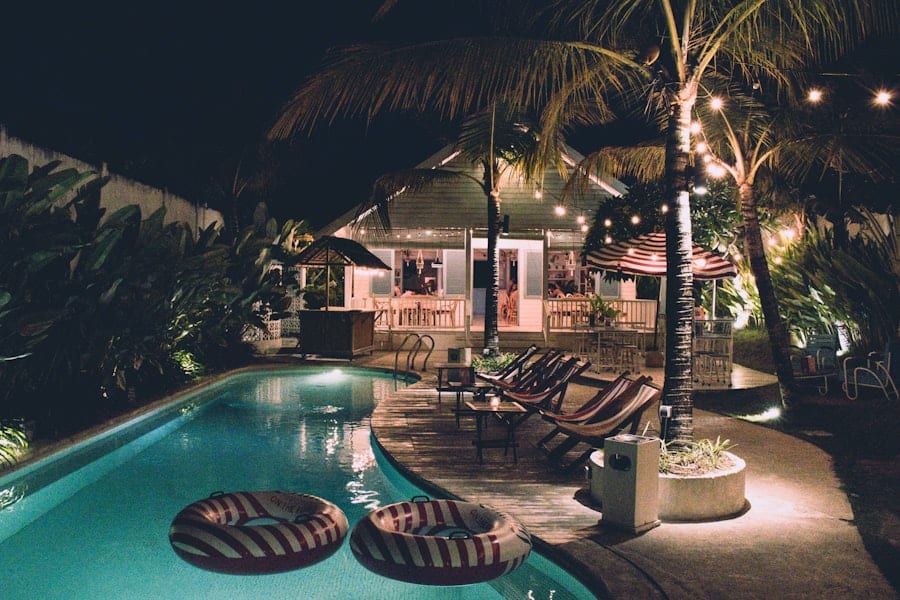
Lighting and shade are two critical elements that can transform your outdoor kitchen into a comfortable and inviting space. As you plan your design, think about how natural light will interact with your kitchen throughout the day. If your outdoor area receives ample sunlight, consider incorporating shade structures such as pergolas or awnings to provide relief during hot summer days.
These features not only protect you from the sun but also add visual interest to your outdoor space. In addition to shade, proper lighting is essential for evening gatherings and late-night cooking sessions. Layered lighting can create a warm ambiance while ensuring functionality.
Install task lighting above cooking areas to illuminate your workspace effectively. Ambient lighting, such as string lights or lanterns, can enhance the overall atmosphere and make your outdoor kitchen feel cozy and inviting. By thoughtfully considering lighting and shade, you can create an outdoor kitchen that is enjoyable at any time of day.
Incorporating Storage and Organization
An efficient outdoor kitchen requires ample storage and organization to keep everything in its place. As you design your space, think about how you can incorporate cabinets, drawers, and shelves to store utensils, cookware, and ingredients. Built-in cabinets made from weather-resistant materials can provide a seamless look while keeping your essentials protected from the elements.
Consider adding open shelving for easy access to frequently used items or decorative displays of herbs and spices. A well-organized kitchen not only enhances functionality but also contributes to a more enjoyable cooking experience. You might also want to include designated areas for grilling tools, cutting boards, and serving dishes to streamline your workflow.
By prioritizing storage and organization in your outdoor kitchen design, you’ll create a space that is both practical and aesthetically pleasing.
Selecting the Perfect Finishing Touches
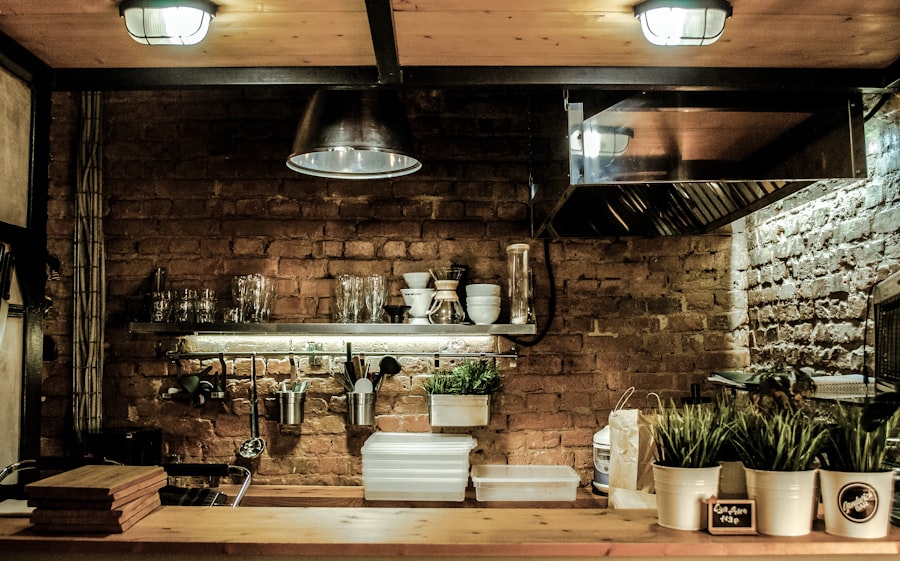
As you near the completion of your outdoor kitchen project, it’s time to focus on selecting the perfect finishing touches that will elevate the overall design. These details can make a significant difference in creating a cohesive look that reflects your personal style. Start by choosing colors and textures that complement both your home’s exterior and the surrounding landscape.
Whether you prefer a modern aesthetic with sleek lines or a rustic charm with natural materials, ensure that every element harmonizes with one another. Don’t forget about accessories that enhance functionality and comfort. Consider adding outdoor rugs for warmth underfoot or cushions for seating areas to make them more inviting.
Decorative elements such as potted plants or artwork can add personality to your space while softening hard surfaces. By carefully selecting finishing touches, you can create an outdoor kitchen that feels complete and tailored to your tastes.
Creating a Seamless Transition to the Outdoors
A well-designed outdoor kitchen should seamlessly transition from indoor living spaces to the outdoors. This connection enhances the overall experience of cooking and entertaining outside while maintaining a sense of continuity with your home’s interior design. To achieve this seamless transition, consider using similar materials both inside and outside.
For example, if you have hardwood flooring indoors, extending that material onto an adjacent patio can create visual flow. Additionally, large sliding or folding doors can open up your indoor kitchen to the outdoor space, allowing for easy movement between the two areas. Incorporating windows that provide views of your outdoor kitchen from inside can also enhance this connection while allowing natural light to flood both spaces.
By focusing on creating a seamless transition between indoor and outdoor areas, you’ll foster an inviting atmosphere that encourages social interaction.
Maintaining and Enjoying Your Outdoor Kitchen
Once your outdoor kitchen is complete, it’s essential to establish a maintenance routine to keep it looking its best year-round. Regular cleaning is crucial; make it a habit to wipe down surfaces after each use to prevent buildup from grease or food particles. Depending on the materials you’ve chosen, some surfaces may require specific cleaning products or techniques to maintain their appearance.
In addition to cleaning, consider seasonal maintenance tasks such as checking for rust on appliances or ensuring that any wood surfaces are properly sealed against moisture damage. Regularly inspect gas lines and connections if you have gas appliances to ensure safety during use. By committing to maintenance, you’ll not only prolong the life of your outdoor kitchen but also ensure it remains an enjoyable space for years to come.
Ultimately, enjoying your outdoor kitchen is about embracing the experience it offers. Host gatherings with friends and family where laughter fills the air as delicious meals are prepared together. Experiment with new recipes or cooking techniques while soaking up the beauty of nature around you.
Your outdoor kitchen is more than just a cooking space; it’s an extension of your home where memories are made and cherished moments unfold. Embrace this opportunity to connect with loved ones while enjoying the art of cooking outdoors.
If you’re looking to enhance your outdoor living space with a new kitchen, you may also be interested in exploring the architectural influences across different regions. Check out this article to learn more about how different styles can inspire your outdoor kitchen design. And when you’re ready to start planning your project, don’t hesitate to reach out to the experts at Better Home Contractor in Missouri City, Texas for assistance.
FAQs
What are the benefits of an outdoor kitchen?
An outdoor kitchen allows you to enjoy cooking and dining al fresco, making it a great space for entertaining and spending time with family and friends. It also helps to keep cooking smells and heat outside the house during the warmer months.
What are the key factors to consider when planning an outdoor kitchen?
When planning an outdoor kitchen, it’s important to consider the layout, the appliances you want to include, the materials for countertops and flooring, as well as the overall design and style that will complement your outdoor space.
What are the essential appliances for an outdoor kitchen?
Essential appliances for an outdoor kitchen typically include a grill, a sink, storage cabinets, and a refrigerator. Depending on your cooking preferences, you may also want to consider adding a pizza oven, a smoker, or a built-in stovetop.
What materials are best for outdoor kitchen countertops?
Durable and weather-resistant materials such as granite, stainless steel, concrete, or tile are popular choices for outdoor kitchen countertops. These materials are able to withstand exposure to the elements and are easy to clean and maintain.
How can I add flair and style to my outdoor kitchen?
To add flair and style to your outdoor kitchen, consider incorporating decorative elements such as outdoor lighting, colorful tiles, a stylish backsplash, and outdoor-friendly furniture. Additionally, landscaping and outdoor decor can help to enhance the overall aesthetic of the space.