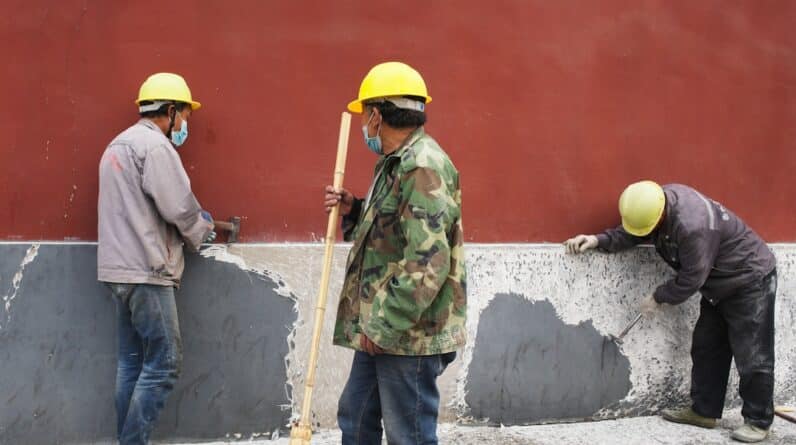
The Symphony of Site Clearing: Nature and Construction in Harmony
When embarking on a construction project, the first and often most critical step is site clearing. This process involves removing obstacles such as trees, shrubs, rocks, and debris to prepare the land for building. You may not realize it, but effective site clearing sets the foundation for the entire construction process.
It ensures that the ground is stable and ready for excavation, grading, and ultimately, the erection of structures. Without proper site clearing, you risk encountering unforeseen challenges that can lead to delays, increased costs, and safety hazards. Moreover, site clearing is not merely about removing physical obstructions; it also involves assessing the land’s topography and soil conditions.
By understanding these elements, you can make informed decisions about the type of foundation required and the overall design of the project. This preparatory work is essential for ensuring that your construction adheres to local regulations and environmental standards. In essence, site clearing is a vital step that lays the groundwork for a successful construction endeavor.
Key Takeaways
- Proper site clearing is crucial for a safe and efficient construction process
- Site clearing can have negative impacts on the environment if not done sustainably
- Sustainable site clearing techniques include erosion control and preserving natural vegetation
- Nature should be considered and preserved during site clearing to maintain ecological balance
- Balancing human needs with natural elements is essential for successful and harmonious site clearing practices
The Impact of Site Clearing on the Environment
Disruption of Local Ecosystems and Loss of Biodiversity
While site clearing is necessary for construction, it can have significant environmental repercussions. As you clear land, you may inadvertently disrupt local ecosystems, displace wildlife, and contribute to soil erosion. The removal of vegetation can lead to a loss of habitat for various species, which can have cascading effects on biodiversity.
Soil Erosion and Water Quality Impacts
Additionally, when trees and plants are removed, the soil becomes more susceptible to erosion, which can result in sediment runoff into nearby water bodies, affecting water quality.
Contribution to Climate Change
You should also consider the long-term implications of site clearing on climate change. Trees play a crucial role in carbon sequestration, absorbing carbon dioxide from the atmosphere. When you clear a site without replanting or implementing sustainable practices, you contribute to increased greenhouse gas emissions.
It is essential to approach site clearing with an awareness of its environmental impact and to seek ways to mitigate any negative effects.
Techniques for Sustainable Site Clearing

To minimize the environmental impact of site clearing, you can adopt various sustainable techniques. One effective method is selective clearing, where only specific trees and vegetation are removed while preserving others that can help maintain the ecosystem. This approach not only protects wildlife habitats but also retains some of the natural landscape’s aesthetic appeal.
By carefully planning which areas to clear, you can strike a balance between development and conservation. Another technique is to utilize advanced machinery that reduces soil disturbance during the clearing process. For instance, using low-impact equipment can help minimize compaction and erosion while still effectively removing unwanted vegetation.
Additionally, implementing erosion control measures such as silt fences or sediment basins can help manage runoff and protect water quality during and after the clearing process. By incorporating these sustainable practices into your site clearing efforts, you can significantly reduce your project’s ecological footprint.
The Role of Nature in Site Clearing
Nature plays a pivotal role in the site clearing process, often providing insights that can guide your decisions. For instance, understanding local flora and fauna can help you identify which species are essential to preserve during clearing operations. By recognizing the interconnectedness of various elements within an ecosystem, you can make more informed choices that benefit both your construction project and the environment.
Additionally, nature offers natural solutions for site clearing challenges. For example, certain plant species can be used for bioremediation to improve soil quality or control erosion. By leveraging these natural processes, you can enhance the sustainability of your project while minimizing reliance on chemical solutions or heavy machinery.
Embracing nature’s role in site clearing not only fosters a healthier environment but also promotes a more harmonious relationship between human development and the natural world.
The Symphony of Site Clearing: Balancing Human and Natural Elements
Site clearing is akin to conducting a symphony where human needs must harmonize with nature’s rhythms. As you navigate the complexities of construction, it is crucial to recognize that every action has a reaction within the ecosystem. Striking this balance requires careful planning and consideration of both immediate project goals and long-term environmental impacts.
To achieve this harmony, you might consider engaging with environmental consultants or ecologists who can provide valuable insights into local ecosystems. Their expertise can help you identify sensitive areas that require protection and suggest strategies for integrating green spaces into your project design. By viewing site clearing as a collaborative effort between human development and nature, you can create spaces that are not only functional but also ecologically sound.
The Benefits of Harmonious Site Clearing Practices

Enhanced Public Perception and Community Support
As more people become aware of environmental issues, they are increasingly drawn to developments that demonstrate a commitment to responsible practices. This positive reputation can lead to increased business opportunities and partnerships.
Cost Savings and Reduced Remediation Efforts
Sustainable site clearing practices can result in cost savings over time. By minimizing erosion and runoff through careful planning and implementation of best practices, you can reduce the need for costly remediation efforts later on.
Long-term Viability and Environmental Benefits
Additionally, preserving native vegetation can lead to lower landscaping costs once construction is complete. Ultimately, embracing harmonious site clearing not only benefits the environment but also enhances your project’s overall viability.
Case Studies of Successful Site Clearing Projects
Examining successful case studies can provide valuable insights into effective site clearing practices. One notable example is a residential development in a suburban area that prioritized ecological preservation during its construction phase. The developers engaged local ecologists to assess the land before clearing began.
They implemented selective clearing techniques that preserved key habitats while still allowing for necessary construction activities. As a result, the project not only met its development goals but also received accolades for its commitment to sustainability. Another case study involves a commercial project that incorporated green infrastructure into its site clearing plan.
The developers utilized permeable paving materials and rain gardens to manage stormwater runoff effectively. By integrating these features from the outset, they minimized erosion and improved water quality in nearby streams. This project serves as an excellent example of how innovative thinking in site clearing can lead to successful outcomes that benefit both developers and the environment.
The Future of Site Clearing: Innovations and Advancements
As technology continues to evolve, so too does the field of site clearing. Innovations such as drone technology are revolutionizing how you assess land before beginning the clearing process. Drones equipped with high-resolution cameras can provide detailed aerial imagery that helps identify sensitive areas and plan for sustainable practices more effectively.
Moreover, advancements in machinery are making it possible to clear sites with minimal environmental disruption. For instance, electric-powered equipment reduces noise pollution and emissions compared to traditional diesel machinery. As these technologies become more accessible, they will play a crucial role in shaping the future of site clearing practices.
In conclusion, as you navigate the complexities of construction projects, understanding the importance of site clearing is paramount. By recognizing its impact on both the environment and your project’s success, you can adopt sustainable practices that benefit all stakeholders involved. Embracing innovations in technology will further enhance your ability to balance human needs with nature’s requirements, paving the way for a more harmonious future in construction.
If you enjoyed reading about the harmonious relationship between nature and construction in “The Symphony of Site Clearing,” you may also be interested in learning about the services offered by Better Home Contractor in Kissimmee, Florida. Their team of professionals specializes in creating beautiful and functional spaces that seamlessly blend with the surrounding environment. Check out their website here for more information on how they can help you achieve your dream home.
FAQs
What is site clearing?
Site clearing is the process of removing trees, vegetation, and other obstacles from a piece of land in preparation for construction or development.
Why is it important to consider nature in site clearing?
Considering nature in site clearing is important to minimize the impact on the environment, preserve natural habitats, and maintain the ecological balance of the area.
What are some methods for conducting site clearing in harmony with nature?
Some methods for conducting site clearing in harmony with nature include selective tree removal, transplanting of trees and plants, erosion control measures, and minimizing disturbance to wildlife.
How can construction and nature be in harmony during site clearing?
Construction and nature can be in harmony during site clearing by implementing sustainable practices, using eco-friendly equipment, and following regulations and guidelines for environmental protection.
What are the benefits of harmonizing nature and construction in site clearing?
The benefits of harmonizing nature and construction in site clearing include preserving biodiversity, maintaining ecosystem services, reducing soil erosion, and creating a more aesthetically pleasing environment.