When you think about construction, your mind might immediately jump to the towering structures, intricate designs, and the hustle and bustle of workers. However, one crucial aspect that often goes unnoticed is the clean-up process that follows the completion of a project. Construction site clean-up is not merely an afterthought; it is an essential phase that ensures the site is safe, organized, and ready for its next purpose.
Whether you are a contractor, a project manager, or a homeowner overseeing a renovation, understanding the importance of this process can significantly impact the overall success of your project. As you delve into the world of construction site clean-up, you will discover that it encompasses a wide range of activities. From removing debris and hazardous materials to ensuring that the site is compliant with local regulations, clean-up is a multifaceted task.
It requires careful planning and execution to ensure that all aspects are addressed. By prioritizing clean-up, you not only enhance the aesthetic appeal of the site but also contribute to a safer working environment for everyone involved.
Key Takeaways
- Construction site clean up is essential for maintaining a safe and organized work environment.
- Proper clean up helps prevent accidents, injuries, and potential hazards on the construction site.
- Safety considerations for construction site clean up include wearing appropriate protective gear and following proper disposal procedures.
- Construction site clean up can have a significant environmental impact, so it’s important to dispose of waste responsibly.
- Tools and equipment used for construction site clean up include brooms, shovels, dumpsters, and heavy-duty cleaning supplies.
Importance of Construction Site Clean Up
The significance of construction site clean-up cannot be overstated. First and foremost, a clean site promotes safety. Construction sites are inherently hazardous, with various risks such as sharp objects, heavy machinery, and uneven surfaces.
By removing debris and clutter, you reduce the likelihood of accidents and injuries. This is particularly important if the site will be accessed by workers or the public after construction is complete. A well-maintained site reflects professionalism and care, which can enhance your reputation in the industry.
Moreover, effective clean-up can lead to cost savings in the long run. When you take the time to properly dispose of waste materials and organize tools and equipment, you minimize the risk of damage or loss. This can prevent unnecessary expenses related to replacing lost items or addressing safety violations.
Additionally, many municipalities have strict regulations regarding construction waste disposal. By adhering to these guidelines during clean-up, you can avoid fines and legal issues that may arise from improper waste management.
Safety Considerations for Construction Site Clean Up

Safety should always be at the forefront of your mind during construction site clean-up. Before you begin, it is essential to conduct a thorough assessment of the site to identify potential hazards. This includes looking for sharp objects, unstable structures, or hazardous materials that may pose a risk to workers.
By recognizing these dangers early on, you can implement appropriate safety measures to protect everyone involved in the clean-up process. Personal protective equipment (PPE) is another critical component of safety during clean-up. Ensure that all workers are equipped with the necessary gear, such as hard hats, gloves, safety goggles, and steel-toed boots.
This not only protects them from potential injuries but also fosters a culture of safety on-site. Additionally, it is vital to establish clear communication among team members during clean-up operations. This can help prevent accidents and ensure that everyone is aware of their responsibilities and any changes in the work environment.
Environmental Impact of Construction Site Clean Up
The environmental impact of construction site clean-up is an increasingly important consideration in today’s world. As you engage in this process, it is crucial to be mindful of how your actions affect the surrounding ecosystem. Construction activities often generate significant waste, including materials that can be recycled or repurposed.
By prioritizing sustainable practices during clean-up, you can minimize your environmental footprint and contribute to a greener future. One effective way to reduce waste is by implementing recycling programs on-site. Many construction materials, such as wood, metal, and concrete, can be recycled rather than sent to landfills.
By sorting these materials during clean-up, you not only divert waste from landfills but also promote resource conservation. Additionally, consider using eco-friendly cleaning products and methods when tidying up the site. This not only protects the environment but also ensures that harmful chemicals do not leach into the soil or water supply.
Tools and Equipment Used for Construction Site Clean Up
To effectively carry out construction site clean-up, you will need a variety of tools and equipment at your disposal. The right tools can make a significant difference in efficiency and effectiveness during this process. Basic tools such as brooms, shovels, and rakes are essential for clearing debris and maintaining cleanliness on-site.
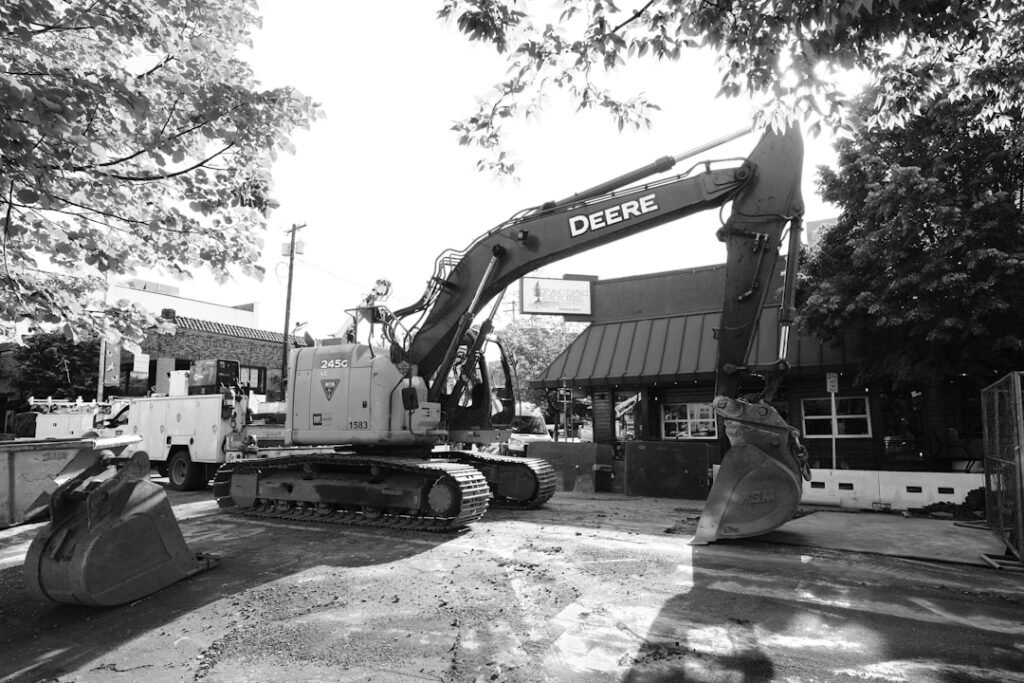
These simple yet effective tools allow you to tackle smaller tasks quickly and efficiently. For larger projects or more extensive clean-up efforts, consider investing in specialized equipment such as skid steers or excavators. These machines can help remove heavy debris and clear large areas in a fraction of the time it would take using manual labor alone.
Additionally, waste disposal containers are crucial for organizing trash and recyclables during clean-up. Having designated bins for different types of waste can streamline the process and ensure that materials are disposed of correctly.
Steps Involved in Construction Site Clean Up

The process of construction site clean-up typically involves several key steps that should be followed systematically for optimal results. First, begin with a thorough inspection of the site to identify areas that require attention. This initial assessment will help you prioritize tasks and allocate resources effectively.
Once you have a clear understanding of what needs to be done, gather your team and assign specific responsibilities based on individual strengths and expertise. Next, start by removing larger debris and hazardous materials from the site. This may involve using heavy machinery or manual labor to clear away items such as broken concrete, scrap metal, or leftover construction materials.
After addressing larger debris, focus on smaller items like nails, screws, and other litter that may pose safety risks. Finally, conduct a detailed cleaning of surfaces and equipment to ensure everything is in good condition for future use or occupancy.
Hiring Professionals for Construction Site Clean Up
While some may choose to handle construction site clean-up independently, hiring professionals can offer numerous advantages that are worth considering. Professional cleaning services bring expertise and experience to the table, ensuring that every aspect of the clean-up process is handled efficiently and effectively. They are well-versed in industry standards and regulations, which can help you avoid potential legal issues related to waste disposal.
Additionally, hiring professionals allows you to focus on other critical aspects of your project without getting bogged down by the details of clean-up. This can lead to increased productivity and better overall project management. When selecting a cleaning service, be sure to research their reputation and experience in handling construction sites specifically.
A reliable company will have the necessary equipment and trained personnel to tackle even the most challenging clean-up tasks.
Conclusion and Tips for Effective Construction Site Clean Up
In conclusion, construction site clean-up is an integral part of any building project that should not be overlooked. By understanding its importance and implementing effective strategies, you can create a safer environment while also minimizing your environmental impact. Remember that safety considerations should always come first; equip your team with proper PPE and maintain clear communication throughout the process.
As you embark on your next construction project, keep these tips in mind for effective clean-up: plan ahead by creating a detailed checklist of tasks; invest in quality tools and equipment; consider recycling options; and don’t hesitate to hire professionals if needed. By prioritizing clean-up as an essential phase of construction, you will not only enhance the overall success of your project but also contribute positively to your community and environment.
If you are interested in learning more about construction projects in Texas, you may want to check out the article “Better Home Contractor Austin, Texas”. This article discusses the importance of hiring a reliable contractor for your home improvement needs. It also provides tips on how to choose the right contractor for your project. Additionally, if you are looking to create a seamless indoor-outdoor living space, you may find the article “Outdoor Escapes: Creating Stunning Patios and Decks for Seamless Indoor-Outdoor Living” helpful. This article offers ideas and inspiration for designing beautiful outdoor spaces that complement your home’s interior.
FAQs
What is construction site clean up?
Construction site clean up refers to the process of removing debris, waste, and other materials from a construction site in order to maintain a safe and organized work environment. This can include clearing away construction materials, sweeping and cleaning the area, and disposing of waste properly.
Why is construction site clean up important?
Construction site clean up is important for several reasons. It helps to maintain a safe working environment for construction workers, reduces the risk of accidents and injuries, and ensures that the site is in compliance with local regulations and environmental standards. Additionally, a clean and organized construction site can improve efficiency and productivity.
What are the typical tasks involved in construction site clean up?
Typical tasks involved in construction site clean up include removing debris and waste, sweeping and cleaning the area, disposing of materials properly, and ensuring that the site is free of hazards. This may also involve cleaning and organizing tools and equipment, as well as preparing the site for the next phase of construction.
Who is responsible for construction site clean up?
The responsibility for construction site clean up typically falls on the construction company or contractor overseeing the project. It is important for the construction team to have a plan in place for regular clean up and to ensure that all workers are trained in proper clean up procedures. In some cases, subcontractors may also be responsible for cleaning up their own work areas.
What are the benefits of proper construction site clean up?
Proper construction site clean up can lead to a number of benefits, including improved safety for workers, compliance with regulations and standards, increased efficiency and productivity, and a positive impression on clients and stakeholders. It can also help to minimize environmental impact and reduce the risk of potential fines or penalties.