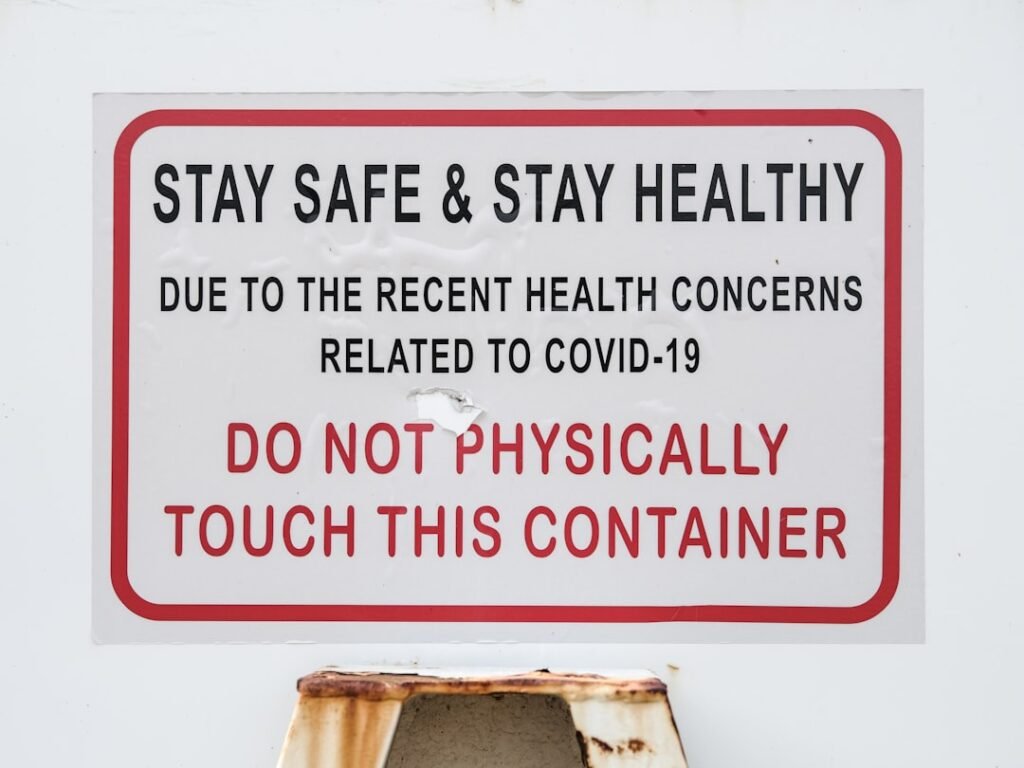
When it comes to any workplace, safety should always be your top priority. You understand that a safe environment not only protects you and your colleagues but also enhances overall productivity. By implementing rigorous safety protocols, you can significantly reduce the risk of accidents and injuries.
This means conducting regular safety drills, ensuring that all employees are trained in emergency procedures, and maintaining equipment in optimal condition. You know that a culture of safety encourages everyone to be vigilant and proactive, which ultimately leads to a more secure workplace. Moreover, safety extends beyond just physical well-being; it encompasses mental health as well.
You recognize that a safe environment fosters a sense of security, allowing you and your coworkers to focus on your tasks without the constant worry of potential hazards. When employees feel safe, they are more likely to engage fully in their work, leading to higher levels of creativity and innovation. By prioritizing safety, you create a foundation for a thriving workplace where everyone can contribute their best efforts.
Key Takeaways
- Safety is the top priority in any work environment, and should be the focus of all operations.
- Efficiency is crucial for maximizing productivity and minimizing waste of time and resources.
- Compliance with regulations is essential for avoiding legal issues and maintaining a good reputation.
- Professionalism is key for creating a positive work environment and building trust with clients and stakeholders.
- Preventing damage to materials and equipment is important for cost savings and maintaining a smooth workflow.
- Preventing environmental hazards is crucial for sustainability and minimizing negative impact on the environment.
- Maintaining a positive public image is important for attracting customers and maintaining a good reputation in the community.
- Worker morale and productivity are closely linked, and should be prioritized for a successful and harmonious work environment.
Efficiency
Efficiency is the lifeblood of any successful operation, and you are keenly aware of its importance. Streamlining processes and eliminating unnecessary steps can save time and resources, allowing you to focus on what truly matters: delivering quality results. You understand that by adopting efficient practices, you can enhance productivity and reduce costs, which ultimately benefits the entire organization.
Whether it’s through the use of technology or optimizing workflows, every small improvement can lead to significant gains. In your pursuit of efficiency, you also recognize the value of collaboration. By fostering an environment where team members can communicate openly and share ideas, you can identify bottlenecks and develop solutions together.
This collaborative approach not only enhances efficiency but also builds camaraderie among coworkers. When everyone is working towards a common goal with a shared understanding of processes, the entire team operates like a well-oiled machine, driving success for the organization as a whole.
Compliance with regulations

Navigating the complex landscape of regulations can be daunting, but you know that compliance is non-negotiable. Adhering to industry standards and legal requirements not only protects your organization from potential fines and legal issues but also builds trust with clients and stakeholders. You understand that staying informed about changes in regulations is crucial; it allows you to adapt quickly and ensure that your practices remain compliant.
This proactive approach demonstrates your commitment to ethical business practices. Furthermore, compliance fosters a culture of accountability within your organization. When everyone understands the importance of adhering to regulations, it creates a sense of responsibility that permeates the workplace.
You know that this culture not only protects the organization but also enhances its reputation in the industry. By prioritizing compliance, you position your organization as a leader in ethical practices, attracting clients who value integrity and reliability.
Professionalism
Professionalism is more than just a dress code; it encompasses behavior, communication, and work ethic. You recognize that maintaining a professional demeanor is essential for building strong relationships with clients and colleagues alike. By demonstrating respect, integrity, and accountability in all your interactions, you set a standard for others to follow.
This commitment to professionalism not only enhances your personal brand but also reflects positively on your organization as a whole. In addition to personal conduct, professionalism extends to the quality of work produced. You understand that delivering high-quality results consistently is key to establishing credibility in your field.
By taking pride in your work and striving for excellence, you contribute to a culture of professionalism that inspires others to do the same. This collective commitment to high standards not only elevates the organization’s reputation but also fosters an environment where everyone feels motivated to excel.
Preventing damage to materials and equipment
You know that preventing damage to materials and equipment is crucial for maintaining operational efficiency and minimizing costs. Proper handling and storage practices can significantly extend the lifespan of tools and resources, saving your organization from unnecessary expenses associated with repairs or replacements. By implementing training programs focused on proper usage techniques, you empower your colleagues to take ownership of their responsibilities and care for the equipment they use.
Additionally, regular maintenance checks are essential in preventing damage before it occurs. You understand that scheduling routine inspections allows you to identify potential issues early on, ensuring that everything remains in optimal working condition. This proactive approach not only safeguards your materials but also enhances overall productivity by reducing downtime caused by equipment failures.
By prioritizing the care of resources, you contribute to a more efficient and cost-effective operation.
Preventing environmental hazards

In today’s world, environmental responsibility is more important than ever, and you are committed to doing your part in preventing environmental hazards. You understand that every action taken within your organization has an impact on the planet, and by adopting sustainable practices, you can help mitigate negative effects. This includes reducing waste, recycling materials, and using eco-friendly products whenever possible.
By being mindful of your environmental footprint, you contribute to a healthier planet for future generations. Moreover, promoting awareness about environmental hazards among your colleagues is essential for fostering a culture of sustainability. You recognize that education plays a vital role in encouraging responsible behavior within the workplace.
By organizing workshops or discussions on environmental issues, you empower others to make informed choices that align with sustainable practices. Together, you can create an organization that not only prioritizes productivity but also values its responsibility toward the environment.
Positive public image
A positive public image is invaluable for any organization, and you understand that it directly influences client trust and loyalty. By consistently delivering quality products or services while adhering to ethical practices, you help build a reputation that resonates with customers and stakeholders alike. You know that transparency in operations and communication fosters trust; when clients feel informed and valued, they are more likely to become repeat customers.
Additionally, engaging with the community can further enhance your organization’s public image. You recognize the importance of corporate social responsibility initiatives that give back to society while showcasing your commitment to making a positive impact. Whether through charitable donations or volunteer efforts, these actions demonstrate that your organization cares about more than just profits.
By actively participating in community initiatives, you help cultivate goodwill and strengthen relationships with those around you.
Worker morale and productivity
Worker morale is a critical component of overall productivity, and you are keenly aware of its significance in the workplace. When employees feel valued and supported, they are more likely to be engaged in their work and motivated to perform at their best. You understand that fostering a positive work environment involves recognizing achievements, providing opportunities for growth, and encouraging open communication among team members.
By prioritizing morale, you create an atmosphere where everyone feels empowered to contribute their ideas and efforts. Furthermore, investing in employee well-being has long-term benefits for productivity levels. You recognize that when workers are happy and healthy—both physically and mentally—they are more likely to be focused and efficient in their tasks.
Implementing wellness programs or flexible work arrangements can significantly enhance job satisfaction while reducing burnout rates. By prioritizing worker morale, you not only boost productivity but also cultivate a loyal workforce dedicated to achieving shared goals. In conclusion, by focusing on safety, efficiency, compliance with regulations, professionalism, preventing damage to materials and equipment, preventing environmental hazards, maintaining a positive public image, and enhancing worker morale and productivity, you contribute significantly to creating a thriving workplace environment.
Each element plays a vital role in ensuring not only the success of your organization but also the well-being of everyone involved. Your commitment to these principles sets the stage for a prosperous future where both individuals and the organization can flourish together.
Maintaining a clean construction site is crucial for a variety of reasons, including safety, efficiency, and overall project success. According to a recent article from Better Home Contractor in Ann Arbor, Michigan, a clean construction site can help prevent accidents and injuries, improve productivity, and create a positive impression on clients and visitors. By keeping the work area organized and free of debris, contractors can ensure that their projects are completed on time and within budget. To learn more about the benefits of a clean construction site, check out the article here.
FAQs
What are the benefits of a clean construction site?
A clean construction site promotes safety, efficiency, and productivity. It reduces the risk of accidents, improves the working environment for workers, and enhances the overall image of the project.
How does a clean construction site improve safety?
A clean construction site reduces the risk of slips, trips, and falls by removing debris and hazards. It also allows for better visibility and organization, making it easier for workers to navigate the site safely.
How does a clean construction site enhance efficiency?
A clean construction site allows for easier access to tools, materials, and equipment, reducing the time spent searching for items. It also minimizes the potential for damage to materials and equipment, saving time and money.
How does a clean construction site improve productivity?
A clean construction site creates a more pleasant and organized work environment, which can boost morale and motivation among workers. This can lead to increased productivity and better quality work.
What are the environmental benefits of a clean construction site?
A clean construction site reduces the potential for pollutants and debris to enter the surrounding environment, minimizing the impact on local ecosystems and wildlife. It also promotes responsible waste management and recycling practices.