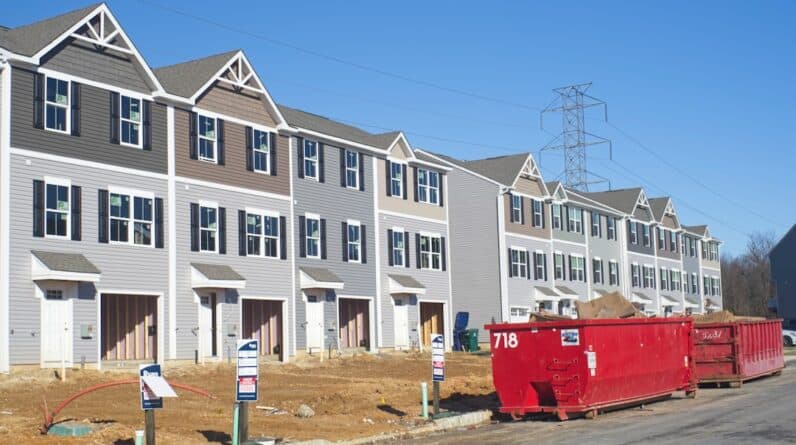
Are you looking to transform your home into your dream space? Look no further than Better Home Contractor Cary North Carolina. With their expert team of contractors and designers, they have been delivering exceptional home improvement services in the Cary, North Carolina area. Whether you need a kitchen remodel, bathroom renovation, or a complete home makeover, they have the skills and experience to bring your vision to life. Trustworthy, reliable, and friendly, Better Home Contractor Cary North Carolina is your go-to source for all your home improvement needs.
Overview
Why hiring a home contractor is important
When it comes to home improvement projects, hiring a professional home contractor is crucial. Taking on these projects by yourself can be overwhelming and time-consuming, not to mention the potential for costly mistakes. A skilled home contractor has the knowledge and experience to ensure that your project is completed efficiently, safely, and to your satisfaction. Whether you’re looking to remodel your kitchen, renovate your bathroom, or finish your basement, a home contractor can help bring your vision to life.
Benefits of hiring a professional home contractor
There are numerous benefits to hiring a professional home contractor for your renovation or construction project. First and foremost, they bring expertise and experience to the table. A professional contractor has the skills and knowledge necessary to tackle any task, from simple repairs to complex remodels. They are also equipped with the necessary tools and materials to get the job done right.
Additionally, professional home contractors are licensed and insured. This ensures that they meet all the required industry standards and regulations, providing you with peace of mind. In the event of any accidents or damages during the project, their insurance coverage will protect both you and the contractor.
Furthermore, a reputable home contractor will have a good reputation and references from satisfied customers. Reading online reviews and speaking to past clients can give you valuable insights into the quality of their work and their level of professionalism.
Transparent pricing is another benefit of hiring a professional home contractor. They will provide you with a detailed estimate that outlines the costs involved, helping you budget and plan accordingly. This transparency will prevent any surprises or hidden fees that may arise during the project.
Last but not least, excellent communication skills are essential when working with a home contractor. A professional contractor will keep you informed throughout the entire process, ensuring that your needs and expectations are met. Clear and effective communication will lead to a smoother project and a more satisfying end result.
Qualities of a Better Home Contractor
Experience and expertise
Experience and expertise are crucial qualities to look for when hiring a home contractor. A contractor with years of experience has likely encountered a wide range of projects and challenges, allowing them to navigate any obstacles that may arise during your project. Their expertise ensures that they have honed their skills and are knowledgeable about the latest techniques and materials in the industry.
Licensed and insured
It is essential to hire a home contractor who is licensed and insured. A contractor with a valid license demonstrates that they have met the necessary qualifications and have passed any required examinations. This ensures that they are knowledgeable and up to date with industry standards and regulations.
Additionally, insurance coverage is crucial for both you and the contractor. It provides protection in case of any accidents, damages, or injuries that may occur during the project. Without insurance, you could be held liable for any unforeseen circumstances that may arise.
Good reputation and references
Researching a home contractor’s reputation is an important step in the hiring process. A good reputation is a strong indicator of the contractor’s professionalism and the quality of their work. Look for contractors with positive reviews and testimonials from previous clients.
Don’t be afraid to ask for references. Speaking directly with past customers can give you valuable insights into their experience with the contractor. It allows you to ask detailed questions about the contractor’s performance, communication, and adherence to timelines and budgets.
Transparent pricing
Working with a home contractor who provides transparent pricing is crucial for avoiding unexpected costs and staying within your budget. A reputable contractor will provide you with a detailed estimate that breaks down the costs involved in the project. This should include labor, materials, permits, and any other expenses related to the project.
Avoid contractors who are vague or unwilling to provide a detailed breakdown of their pricing. Clarity in pricing ensures that both parties are on the same page and can prevent any disputes down the line.
Excellent communication skills
Effective communication is key when working with a home contractor. A contractor with excellent communication skills will keep you informed every step of the way, ensuring that your vision and expectations are met. They will be responsive to your questions and concerns and provide regular updates on the progress of the project.
Clear and open communication can help prevent misunderstandings and ensure that the project runs smoothly. It also allows for timely decision-making and adjustments if needed.
Services Offered by Home Contractors
Home contractors offer a wide range of services to cater to various home improvement needs. Whether you’re looking to remodel your entire home or simply need repairs and upgrades, a home contractor can help. Here are some common services offered by home contractors:
Home remodeling
If you’re looking to transform your home, a contractor specializing in home remodeling can help bring your vision to life. From reconfiguring layouts to adding new features and fixtures, a home remodeling contractor will handle all aspects of your project.
Kitchen renovations
Kitchen renovations are a popular choice for homeowners looking to update their living spaces. A professional contractor can assist with everything from replacing cabinets and countertops to installing new appliances and fixtures.
Bathroom renovations
Bathroom renovations can greatly enhance both the functionality and aesthetic appeal of your home. A contractor experienced in bathroom renovations can handle tasks such as tile installation, fixture replacements, and plumbing upgrades.
Basement finishing
Transforming your basement into a usable space requires expertise in insulation, flooring, and electrical work. A home contractor specializing in basement finishing can help you maximize the potential of this often-underutilized area in your home.
Roofing and siding
Roof repairs or replacements and new siding installations are essential for maintaining the structural integrity and curb appeal of your home. Hiring a home contractor with experience in roofing and siding will ensure that these tasks are done correctly and efficiently.
Flooring installations
Updating your home’s flooring can significantly improve its overall appearance and functionality. A home contractor specializing in flooring installations can help you choose the right materials and install them properly throughout your home.
Painting and wallpapering
Applying a fresh coat of paint or adding wallpaper can transform the look and feel of any room. A home contractor skilled in painting and wallpapering can provide expert advice on color choices, techniques, and finishes.
Deck and patio construction
Outdoor living spaces like decks and patios are valuable additions to any home. A home contractor experienced in deck and patio construction can design and build outdoor areas that enhance your home’s aesthetics and functionality.
Fence and gate installation
Installing a fence and gate not only adds privacy and security but also enhances the overall appearance of your property. A home contractor specializing in fence and gate installation can help you choose the right materials and design for your needs.
Home additions
Whether you’re looking to add extra square footage or create a new living space, a home contractor experienced in home additions can help. From designing and planning to executing the project, they will ensure that your addition seamlessly blends with your existing home.

Finding the Right Home Contractor in Cary, North Carolina
Research and ask for recommendations
When searching for a home contractor in Cary, North Carolina, it’s important to start with thorough research. Look for contractors with a solid reputation and a history of delivering quality work. Ask friends, family, and neighbors for recommendations, as word-of-mouth referrals can be invaluable.
Check online reviews and ratings
In addition to recommendations, check online reviews and ratings of home contractors in Cary. Websites like Yelp, Google, and Angie’s List provide insights into the experiences of previous customers. Pay attention to both the positive and negative reviews to get a balanced perspective.
Verify licenses and certifications
Before hiring a contractor, verify that they have the necessary licenses and certifications required by the state of North Carolina. This ensures that they have met the required standards and possess the necessary skills to complete your project.
Interview multiple contractors
Reach out to multiple home contractors in Cary and conduct interviews to evaluate their suitability for your project. Ask questions about their experience, previous projects, and their approach to your specific project. This will help you gauge their expertise, communication skills, and professionalism.
Request detailed estimates
Once you have narrowed down your options, request detailed estimates from the remaining contractors. A comprehensive estimate should include a breakdown of costs for labor, materials, permits, and any other expenses related to your project. Comparing estimates will help you make an informed decision based on your budget and project requirements.
Compare portfolios and past projects
Reviewing a contractor’s portfolio and past projects is a great way to assess their workmanship and style. Look for projects similar to yours to gauge their expertise in that specific area. This will give you an idea of their craftsmanship, attention to detail, and overall quality of work.
References and testimonials
Don’t hesitate to ask for references and testimonials from previous clients. Speaking directly with these clients can provide valuable insights into the contractor’s reliability, professionalism, and ability to meet deadlines. A contractor who is confident in their work will gladly provide references upon request.
Cost Considerations
Factors influencing the cost
Several factors influence the cost of a home improvement project. The size and complexity of the project, the materials used, and the contractor’s expertise are some key factors that can impact the overall cost. Additionally, the local market conditions, such as supply and demand, can also influence pricing.
Common pricing structures
Home contractors typically use different pricing structures for their services. Some may charge a fixed price for the entire project, while others may charge an hourly rate plus the cost of materials. Alternatively, contractors may provide an estimate based on the square footage of the space being worked on. Understanding the pricing structure upfront is essential for budgeting and avoiding any surprises.
Importance of getting multiple quotes
Obtaining multiple quotes from different contractors is crucial for getting a clear understanding of the project’s cost. Comparing quotes will allow you to identify any significant discrepancies and ensure that you are getting a fair price. However, it’s essential to consider more than just the price when making your decision. The contractor’s experience, reputation, and quality of work should also be taken into account.
Beware of low-cost contractors
While it may be tempting to choose the contractor with the lowest price, it’s important to be cautious. Low-cost contractors may sacrifice quality or cut corners to keep their prices low. The old adage “you get what you pay for” often rings true in the construction industry. It’s crucial to strike a balance between cost and quality to ensure a successful and satisfactory home improvement project.
Understanding Contracts and Guarantees
Importance of a written contract
A written contract is essential when working with a home contractor. It serves as a legally binding agreement between you and the contractor, outlining the scope of work, timeline, payment terms, and other important details. A contract provides clarity and protection for both parties and helps prevent any misunderstandings or disputes.
Elements of a home contract
A comprehensive home contract should include the following elements:
- Scope of work: Clearly define the specific tasks and deliverables included in the project.
- Timeline: Outline the start and completion dates of the project, including any milestones or deadlines.
- Payment terms: Specify the agreed-upon payment schedule, including initial deposits, progress payments, and final payment.
- Materials and supplies: Detail the materials, brands, and quantities to be used in the project.
- Change orders: Discuss the process for making changes to the project and any potential costs associated with those changes.
- Dispute resolution: Include a clause outlining how disputes will be handled, such as mediation, arbitration, or litigation.
- Termination clauses: Define the conditions under which either party can terminate the contract.
Warranty and guarantees
A reputable home contractor will often provide warranties or guarantees for their work. These warranties typically cover any defects or workmanship issues that may arise after the project is completed. Review the warranty terms and duration before signing the contract to ensure you are adequately protected.
Payment terms and schedules
Payment terms and schedules should be clearly defined in the contract. It’s common for contractors to require an initial deposit before commencing work, followed by progress payments based on project milestones. The final payment should be due upon completion and inspection of the project. Ensure that the payment terms are fair and aligned with your budget and financial capabilities.
Working with a Home Contractor
Effective communication
Maintaining open and effective communication with your home contractor is crucial throughout the project. Clear and frequent communication will ensure that your needs and expectations are met, and any issues or concerns can be addressed promptly. Stay in touch with the contractor through in-person meetings, phone calls, or email to maintain a collaborative and productive working relationship.
Being involved in the process
While you have hired a professional home contractor to handle the project, it’s important to be actively involved throughout the process. Stay informed about the progress, ask questions, and provide feedback when necessary. This level of involvement will help ensure that the project is progressing according to your vision and expectations.
Setting clear expectations
From the outset, clearly communicate your expectations to the home contractor. Establish your desired timeline, budget, and any specific design or quality requirements. This will help align your expectations with those of the contractor and minimize the chances of misunderstandings or disappointments.
Resolving conflicts and issues
In any construction project, it’s possible for conflicts or issues to arise. The key to resolving these conflicts is open and honest communication. If you are experiencing any concerns or problems, address them with the contractor as soon as possible. Work together to find a solution that satisfies both parties and keeps the project on track.
Maintaining a positive working relationship
Maintaining a positive working relationship with your home contractor is essential for a successful project. Show appreciation for their expertise and hard work, and provide timely feedback and constructive criticism. Fostering a positive and respectful working relationship will not only ensure a smoother project but also improve the overall satisfaction of all parties involved.
Tips for a Successful Home Improvement Project
Plan and prioritize
Before starting your home improvement project, take the time to plan and prioritize your goals. Determine what areas of your home are most important to you and create a detailed plan outlining the scope of work and desired outcomes. This will help you stay focused and ensure that the project is completed efficiently.
Budgeting and financing
Setting a realistic budget is crucial for any home improvement project. Determine how much you can comfortably spend and allocate funds accordingly. It’s also important to explore financing options if needed, such as home equity loans or lines of credit, to ensure that you have the necessary funds to complete the project.
Secure necessary permits
Depending on the scope of your project, you may need to obtain permits from the local municipality. Research the permit requirements for your specific project and ensure that all necessary permits are obtained before work begins. Failing to secure permits can result in costly fines and delays.
Prepare your home for the project
Before the contractor begins work, take the necessary steps to prepare your home. Clear the work area of any furniture, valuables, or personal belongings that may be at risk of damage. Protect your floors and walls as needed to prevent any accidental damage during construction.
Coordinate with contractors
If your home improvement project involves multiple contractors or subcontractors, it’s essential to coordinate their schedules and efforts. Regular communication among all parties involved will help ensure that the project progresses smoothly and that everyone is on the same page.
Monitor progress and quality
Throughout the project, monitor the progress and quality of the work being done. Regularly inspect the workmanship to ensure that it meets your expectations and addresses any concerns with the contractor promptly. Maintaining open lines of communication will allow for adjustments or corrections if necessary.
Complete inspections
Once the project is nearing completion, arrange for any necessary inspections to ensure that the work meets building codes and regulations. This may include inspections for electrical, plumbing, or structural components. Completing these inspections will provide you with peace of mind and ensure that your home is safe and compliant.
Add personal touches and finishes
Once the major work is completed, don’t forget to add your personal touches to the space. Decorate, furnish, and style the area to reflect your personal taste and make it feel like home. Adding finishing touches will bring the space to life and make it a truly enjoyable living environment.
Commercial and Residential Contractors
Differences between commercial and residential contractors
Commercial and residential contractors specialize in different types of projects. Residential contractors focus on home improvement or construction work for individual homeowners, while commercial contractors work on larger-scale projects for businesses or organizations. The differences in scale, complexity, and regulations vary between the two sectors.
When to hire a commercial contractor
You would typically hire a commercial contractor for projects such as office buildings, retail spaces, restaurants, or other commercial establishments. These projects often involve complex systems, compliance with specific regulations, and coordination with various stakeholders. Commercial contractors have the expertise and knowledge to handle these types of projects efficiently and effectively.
When to hire a residential contractor
Residential contractors are typically hired for projects involving individual homes or residential properties. This may include home renovations, additions, or repairs. Residential contractors are well-versed in working with homeowners and are skilled in the design and construction of residential spaces. They understand the unique needs and considerations involved in creating comfortable living environments.
Benefits of Hiring Local Contractors
Familiarity with local codes and regulations
Hiring a local home contractor offers the advantage of their familiarity with local building codes and regulations. Building codes can vary by location, and it’s important to work with a contractor who understands and adheres to these requirements. A local contractor is also likely to have established relationships with local suppliers, ensuring a smoother and more efficient project.
Accessible for ongoing support
A local home contractor provides the convenience of ongoing support and maintenance. Should any issues arise after the completion of your project, a local contractor is easily accessible to address them promptly. This saves you time and hassle, as you won’t have to rely on out-of-town contractors or wait for extended periods for assistance.
Supporting local businesses and economy
Hiring a local home contractor contributes to supporting the local economy and community. By investing in local businesses, you’re helping to create jobs and stimulate economic growth in your area. Additionally, local contractors are more inclined to maintain strong relationships with their clients and prioritize customer satisfaction, as their reputation directly impacts their business within the local community.
In conclusion, hiring a professional home contractor is critical for your home improvement projects. The experience, expertise, and skills they bring ensure that your project is completed to your satisfaction. When searching for a home contractor, consider their experience, licensing, reputation, and communication skills. Home contractors offer a wide range of services, from remodeling and renovations to roofing and flooring installations. When finding the right home contractor in Cary, North Carolina, conduct thorough research, check online reviews, verify licenses, and interview multiple contractors. Consider multiple quotes, review portfolios, and consult references and testimonials. Cost considerations include factors influencing the cost, common pricing structures, and importance of getting multiple quotes. Be cautious of low-cost contractors who may compromise quality. Understanding contracts, warranties, and payment terms is crucial for a smooth working relationship. Effective communication, involvement, clear expectations, conflict resolution, and maintaining a positive relationship contribute to successful projects. Planning, budgeting, securing permits, preparing your home, coordinating with contractors, monitoring progress, and adding personal touches are vital for a successful home improvement project. Commercial and residential contractors serve different purposes, while local contractors offer familiarity, accessibility, and support while supporting the local economy. By following these tips, you can hire a better home contractor in Cary, North Carolina and ensure your home improvement projects are a success.