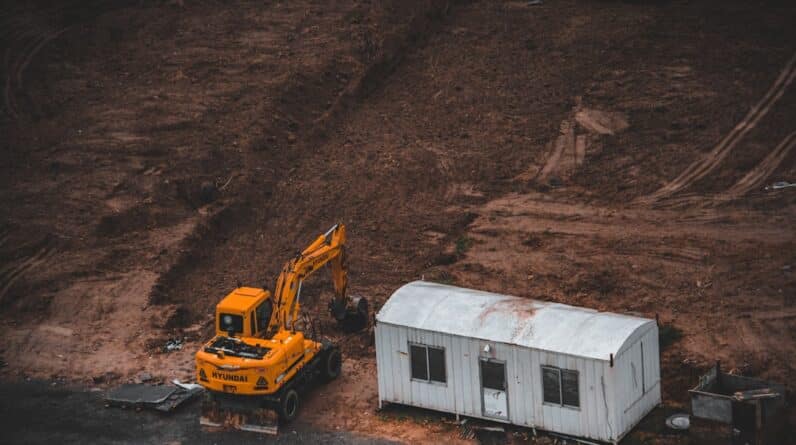
Preserving Biodiversity: Site-preparations Impact on Ecosystems
When embarking on any construction or land development project, the process of site preparation is a critical first step. This phase involves clearing, grading, and preparing the land for its intended use, whether it be for residential, commercial, or agricultural purposes. However, as you engage in site preparation, it is essential to recognize the profound implications this process has on biodiversity.
Biodiversity refers to the variety of life forms within a given ecosystem, encompassing the diversity of species, genetic variations, and the complex interactions that sustain ecological balance. As you delve into site preparation, understanding its relationship with biodiversity becomes paramount. The intricate web of life that exists in any given area is often disrupted during site preparation.
The removal of vegetation, alteration of soil structure, and changes in water drainage patterns can lead to habitat loss and fragmentation. As you consider the implications of your actions, it is crucial to appreciate that biodiversity is not merely an abstract concept; it is the foundation upon which ecosystems thrive. The loss of biodiversity can have cascading effects, impacting not only the flora and fauna but also the ecosystem services that humans rely on, such as clean air, water filtration, and pollination.
Therefore, as you engage in site preparation, a conscientious approach to preserving biodiversity should be at the forefront of your planning.
Key Takeaways
- Site-preparation plays a crucial role in preserving biodiversity and maintaining ecosystem balance.
- Biodiversity preservation is important for the overall health and resilience of ecosystems.
- Understanding different site-preparation methods is essential for minimizing negative impacts on biodiversity.
- Site-preparation can have significant impacts on ecosystems, including habitat destruction and species displacement.
- Mitigating negative impacts of site-preparation requires careful planning and implementation of best practices to preserve biodiversity.
The Importance of Biodiversity Preservation
Preserving biodiversity is not just an environmental concern; it is a necessity for sustaining life on Earth. Each species plays a unique role in its ecosystem, contributing to processes such as nutrient cycling, pollination, and pest control. When you consider the importance of these functions, it becomes clear that the loss of even a single species can have far-reaching consequences.
Biodiversity enhances ecosystem resilience, allowing natural systems to adapt to changes and recover from disturbances. As you navigate the complexities of development, recognizing the intrinsic value of biodiversity can guide your decision-making. Moreover, biodiversity has significant implications for human well-being.
Many communities depend on local ecosystems for their livelihoods, whether through agriculture, fishing, or tourism. The genetic diversity found within wild species is also crucial for food security; it provides the raw materials needed for breeding programs aimed at developing crops that can withstand pests and climate change. As you reflect on your role in site preparation, consider how your actions can either contribute to or detract from the health of local ecosystems.
By prioritizing biodiversity preservation, you are not only safeguarding the environment but also ensuring a sustainable future for generations to come.
Understanding Site-preparation Methods

Site preparation encompasses a variety of methods tailored to meet specific project needs. Common techniques include land clearing, grading, excavation, and soil amendment. Each method has its own set of implications for the surrounding environment.
For instance, land clearing often involves the removal of trees and vegetation, which can lead to soil erosion and loss of habitat for numerous species. As you familiarize yourself with these methods, it is essential to weigh their benefits against their potential impacts on biodiversity. Grading and excavation are also critical components of site preparation that can significantly alter the landscape.
Grading reshapes the land to create a level surface for construction but can disrupt natural drainage patterns and lead to sediment runoff into nearby water bodies. Excavation may be necessary for foundations or utilities but can disturb underground ecosystems and displace soil organisms vital for maintaining soil health. Understanding these methods allows you to make informed choices about how to minimize their impact on local biodiversity while still achieving your project goals.
The Impact of Site-preparation on Ecosystems
The impact of site preparation on ecosystems can be profound and multifaceted. When you clear land for development, you are not just removing trees and shrubs; you are altering entire habitats that support diverse plant and animal communities. This disruption can lead to a decline in species populations and even local extinctions if critical habitats are destroyed.
As you consider your project’s footprint, it is essential to recognize that ecosystems are interconnected; changes in one area can ripple through the entire landscape. Additionally, site preparation can lead to changes in soil composition and structure. The removal of vegetation exposes soil to erosion and compaction, which can degrade its quality and reduce its ability to support plant life.
This degradation can have long-term consequences for both terrestrial and aquatic ecosystems, as sediment runoff can pollute waterways and disrupt aquatic habitats. As you engage in site preparation activities, being mindful of these impacts will help you develop strategies to mitigate harm and promote ecological health.
Mitigating Negative Impacts of Site-preparation
To mitigate the negative impacts of site preparation on biodiversity, proactive measures must be taken throughout the planning and execution phases of your project. One effective strategy is conducting an environmental impact assessment (EIA) before beginning any site preparation work. An EIA evaluates potential effects on local ecosystems and identifies ways to minimize harm.
By understanding the ecological context of your project site, you can make informed decisions that prioritize biodiversity preservation. Another approach involves implementing erosion control measures during site preparation activities. Techniques such as silt fencing, sediment basins, and re-vegetation can help stabilize soil and prevent runoff into nearby water bodies.
Additionally, timing your site preparation activities to avoid critical periods for local wildlife—such as nesting seasons—can further reduce disturbances to sensitive species. By integrating these practices into your project plan, you can significantly lessen the adverse effects of site preparation on biodiversity.
Best Practices for Preserving Biodiversity during Site-preparation

Adopting best practices during site preparation is essential for preserving biodiversity while still achieving development goals. One key practice is to prioritize minimal disturbance techniques whenever possible. This approach involves selectively clearing only the areas necessary for construction while leaving surrounding habitats intact.
By doing so, you can maintain critical corridors for wildlife movement and preserve essential ecosystem functions. Incorporating native plants into landscaping plans post-construction is another effective strategy for promoting biodiversity. Native species are adapted to local conditions and provide habitat and food sources for indigenous wildlife.
Additionally, creating buffer zones around sensitive areas—such as wetlands or forests—can help protect these ecosystems from disturbances associated with development activities. By implementing these best practices during site preparation, you contribute to a more sustainable balance between development and ecological integrity.
Case Studies: Successful Biodiversity Preservation through Site-preparation
Examining successful case studies can provide valuable insights into effective strategies for preserving biodiversity during site preparation. One notable example is a residential development project in California that prioritized habitat conservation from the outset. The developers conducted thorough environmental assessments and engaged with local conservation organizations to identify key habitats that needed protection.
By incorporating green spaces and wildlife corridors into their design, they were able to create a community that not only met housing needs but also supported local biodiversity. Another inspiring case study comes from a commercial development in Florida that implemented innovative stormwater management practices during site preparation. By creating retention ponds designed to mimic natural wetlands, the developers were able to enhance local water quality while providing habitat for various aquatic species.
This approach not only mitigated potential negative impacts but also contributed positively to the surrounding ecosystem. These examples illustrate that with careful planning and collaboration, it is possible to achieve development goals while prioritizing biodiversity preservation.
Balancing Development and Biodiversity
As you navigate the complexities of site preparation in your development projects, finding a balance between progress and ecological preservation is essential. The importance of biodiversity cannot be overstated; it underpins the health of our planet and supports human well-being in countless ways. By understanding the impacts of site preparation methods on ecosystems and adopting best practices aimed at minimizing harm, you can play a pivotal role in fostering a more sustainable future.
Ultimately, successful development should not come at the expense of our natural heritage. By prioritizing biodiversity preservation during site preparation activities, you contribute to a legacy that values both progress and ecological integrity. As you move forward with your projects, let this commitment guide your decisions—ensuring that future generations inherit a world rich in both human innovation and natural diversity.
Preserving biodiversity is crucial for maintaining healthy ecosystems, and site preparations can have a significant impact on the environment. In a related article from Better Home Contractor, “Harmonizing with Nature: Sustainable Approaches to Regional Architecture in Contemporary Spaces,” the importance of incorporating sustainable practices into construction projects is highlighted. By considering the ecological footprint of development and utilizing environmentally friendly materials and techniques, builders can help protect local ecosystems and preserve biodiversity for future generations. To learn more about sustainable construction practices, visit here.
FAQs
What is biodiversity?
Biodiversity refers to the variety of life on Earth, including the different species of plants, animals, and microorganisms, the genetic differences within these species, and the ecosystems in which they live.
What is site preparation in the context of preserving biodiversity?
Site preparation refers to the activities and processes carried out to prepare a piece of land for a specific use, such as reforestation, agriculture, or construction. In the context of preserving biodiversity, site preparation may involve clearing land, removing invasive species, or restoring natural habitats.
How does site preparation impact ecosystems?
Site preparation can have both positive and negative impacts on ecosystems. Positive impacts may include the removal of invasive species, restoration of natural habitats, and creation of conditions favorable for the growth of native plant species. Negative impacts may include habitat destruction, soil erosion, and disruption of natural processes.
What are some best practices for site preparation to minimize negative impacts on ecosystems?
Best practices for site preparation to minimize negative impacts on ecosystems include conducting thorough environmental assessments, using sustainable land management techniques, minimizing soil disturbance, and prioritizing the preservation of existing biodiversity.
Why is it important to consider the impact of site preparation on ecosystems when preserving biodiversity?
Considering the impact of site preparation on ecosystems is important because it can help minimize negative effects on biodiversity and ensure the long-term health and resilience of natural habitats. By taking a proactive approach to site preparation, conservation efforts can be more effective in preserving biodiversity.